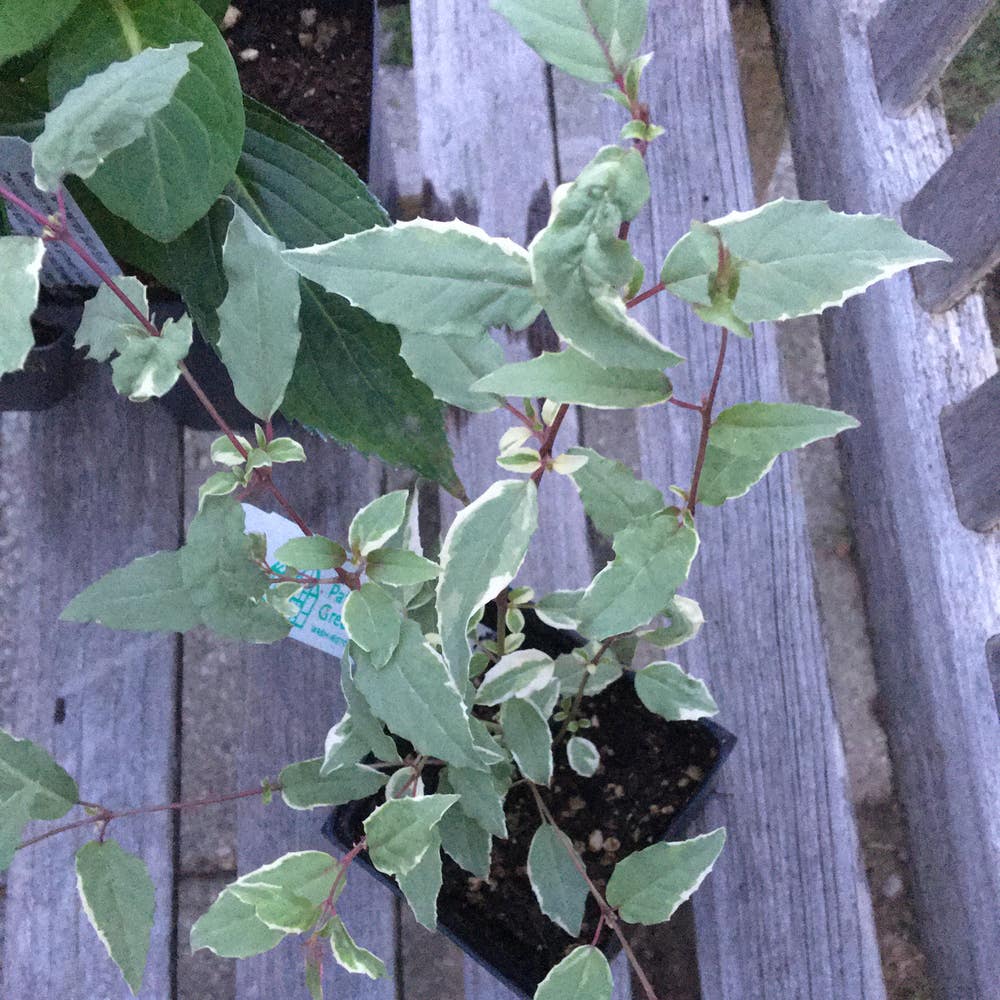
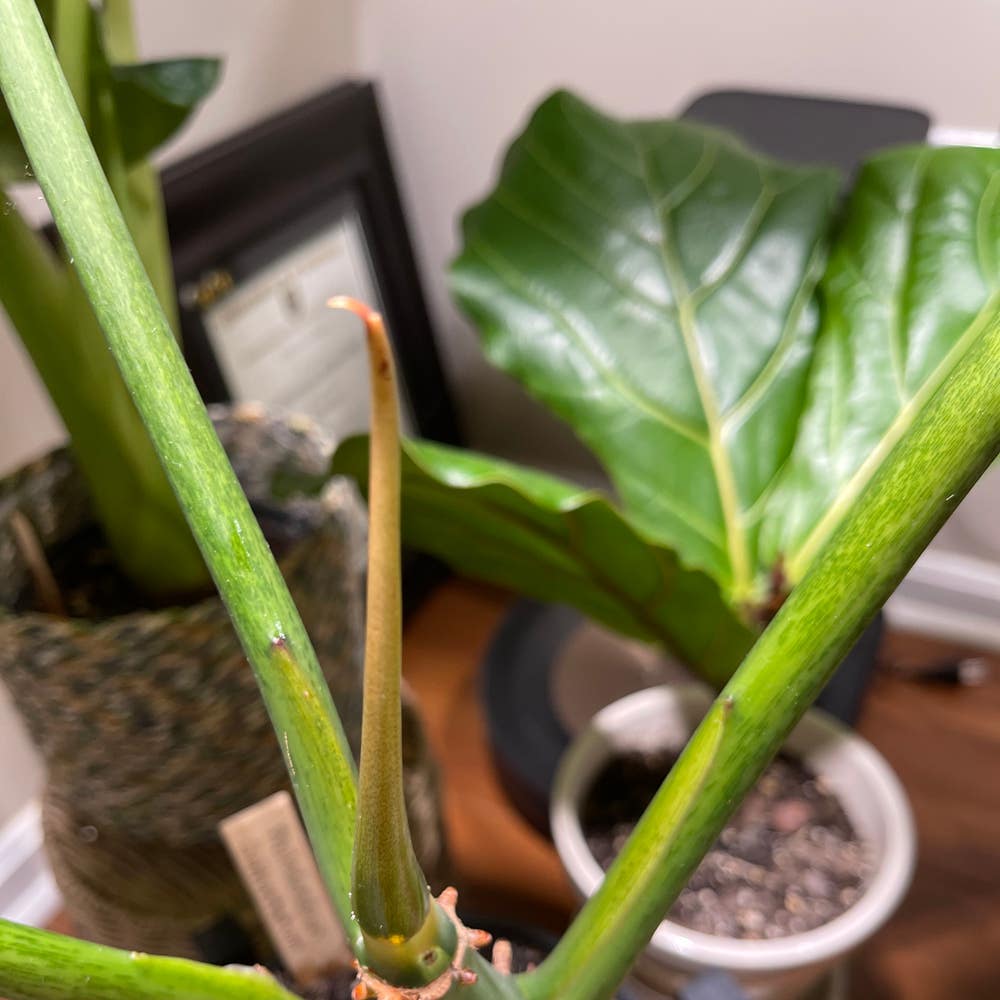
🧑🌾 Philodendron subhastatum Is a Garden Plant, Not a Weed
Philodendron subhastatum
By the Greg Editorial Team
Sep 28, 2024•6 min read
This article was created with the help of AI so we can cover more plants for you. May contain errors. See one? Report it here.
Transform your garden with Philodendron subhastatum—an eco-friendly beauty that supports local wildlife without being invasive! 🌱
- 🌱 Philodendron subhastatum is non-invasive, making it safe for garden ecosystems.
- 🌿 It thrives in shade, enhancing tropical aesthetics while supporting local wildlife.
- 🌼 Attracts pollinators like bees and butterflies, boosting garden health and biodiversity.
Plant Classification
Definition of Invasive Species 🌱
Invasive species are plants that exhibit rapid growth and spread, often outpacing native flora. They can displace local species, leading to negative impacts on ecosystems.
Characteristics of invasive plants include:
- Rapid Growth: They thrive quickly, often overwhelming other plants.
- Displacement: They can push out native species, disrupting local biodiversity.
- Ecosystem Impact: Their presence can alter habitats, affecting wildlife and plant communities.
Why Philodendron subhastatum is Non-Invasive 🌿
Philodendron subhastatum stands out as a non-invasive option for gardens. Its growth behavior is manageable, making it a great choice for garden settings.
- Controlled Growth: This plant grows steadily without becoming overwhelming.
- Limited Spread: It prefers specific environmental conditions, which restricts its spread.
When compared to invasive species, Philodendron subhastatum does not outcompete native plants. Instead, it maintains ecological balance in its native habitat, supporting local biodiversity rather than disrupting it.
This makes it an ideal choice for gardeners looking to enhance their spaces without the worry of invasive behavior.
As we explore its growth habits next, you'll see how its unique characteristics contribute to its appeal in garden design.
Growth Habits
Typical Growth Patterns in Gardens 🌱
Philodendron subhastatum exhibits a growth rate that can be moderate to fast, depending on the environmental conditions. This plant thrives when given the right support, as its climbing nature requires structures like trellises or walls to reach its full potential.
The leaves of Philodendron subhastatum are a standout feature, boasting large, heart-shaped forms that can grow impressively. These lush leaves not only add visual interest but also contribute to the overall tropical vibe of any garden.
Natural Limits to Growth and Spread Potential 🌿
This plant flourishes in humid, tropical environments, making it a perfect fit for gardens that can replicate these conditions. It prefers well-draining soil rich in organic matter, which helps it thrive while keeping its growth in check.
Despite its vigorous growth, Philodendron subhastatum's spread is naturally limited by soil and moisture conditions. Gardeners can easily manage its growth through regular pruning and providing adequate support, ensuring it remains a beautiful addition without becoming overwhelming.
As we explore the ecological role of Philodendron subhastatum, we’ll see how it benefits both gardens and local wildlife.
Ecological Role
🌼 Benefits in Gardens and Ecosystems
Philodendron subhastatum plays a vital role in enhancing garden ecosystems. It provides shelter and food for local wildlife, attracting birds and beneficial insects that contribute to a thriving garden environment.
This plant also serves as a habitat for small creatures, creating a mini-ecosystem right in your backyard. By incorporating this species, you’re not just beautifying your space; you’re fostering biodiversity.
🐝 Positive Interactions with Local Wildlife
One of the standout features of Philodendron subhastatum is its ability to attract pollinators. Its flowers draw in bees and butterflies, which are essential for pollination and enhancing overall biodiversity.
Moreover, this plant contributes to soil health by improving soil structure and facilitating nutrient cycling. Its roots help aerate the soil, making it more hospitable for other plants and organisms.
In summary, Philodendron subhastatum is more than just a garden plant; it’s a key player in maintaining ecological balance. By choosing to include it in your garden, you’re supporting local wildlife and enriching your environment.
As we explore garden management strategies next, consider how to best integrate this ecological gem into your landscape.
Garden Management
Incorporating Philodendron subhastatum into Garden Designs 🌿
Philodendron subhastatum shines as a climbing plant, making it perfect for trellises or walls. Pair it with other tropical plants to create a lush, vibrant aesthetic that transforms your garden into a tropical paradise.
For optimal growth, plant it in shaded or partially shaded areas. This mimics its native habitat, allowing it to thrive while adding a touch of greenery to your space.
Growth Control Methods for Aesthetic Purposes ✂️
To keep your Philodendron subhastatum looking its best, regular pruning is essential. Trim it to maintain your desired size and shape, and remove any dead or damaged leaves to promote overall health.
Support structures like stakes or trellises are crucial for guiding its growth direction. These not only help the plant climb but also enhance its visual appeal in your garden.
Incorporating these management techniques will ensure your Philodendron subhastatum flourishes beautifully, creating a stunning focal point in your garden. Next, let’s explore how this plant compares to others in the garden landscape.
Comparison to Other Plants
🌱 Similar Non-Invasive Plants
When considering non-invasive options for your garden, Monstera deliciosa stands out. This plant shares a climbing habit and offers a similar aesthetic appeal, making it a popular choice for tropical-themed spaces.
Another excellent option is Pothos. Known for its easy care and non-invasive nature, Pothos thrives in various conditions, making it a favorite among gardeners.
🌿 Unique Qualities of Philodendron subhastatum
What sets Philodendron subhastatum apart are its larger leaves compared to similar species. These impressive leaves not only add visual interest but also enhance the vertical dimension of your garden.
Additionally, its unique climbing ability allows it to thrive on trellises or walls, creating stunning displays.
In terms of garden benefits, this plant requires minimal maintenance and adapts well to various soil types. This makes it an ideal choice for both novice and experienced gardeners looking to enrich their green spaces.
As you explore the world of non-invasive plants, consider how Philodendron subhastatum can complement your garden design while providing a lush, vibrant atmosphere. Next, let’s delve into the legal and environmental considerations surrounding its cultivation.
Legal and Environmental Considerations
📜 Relevant Classifications and Guidelines
When incorporating Philodendron subhastatum into your garden, it's crucial to check local regulations. Some regions may have restrictions on planting tropical species, so a quick review of local guidelines can save you from potential issues.
Understanding environmental impact assessments is equally important. Before planting, take the time to learn about your local ecosystem. This knowledge helps ensure that your gardening efforts support rather than disrupt the natural balance.
🌱 Fit within Sustainable Gardening Practices
Philodendron subhastatum plays a significant role in enhancing biodiversity. By providing habitats for various wildlife, it contributes positively to local ecosystems.
Additionally, this plant is low-maintenance, requiring minimal water and fertilizer compared to other tropical plants. This makes it an excellent choice for sustainable gardening, allowing you to enjoy a lush garden without excessive resource use.
Incorporating Philodendron subhastatum not only beautifies your space but also aligns with eco-friendly practices. As you plan your garden, consider how this plant can fit into your sustainable vision.
With these considerations in mind, you're well on your way to creating a thriving garden that respects both local regulations and the environment. Next, let's explore how to effectively manage and incorporate this plant into your garden design.
⚠️ Safety First
This content is for general information and may contain errors, omissions, or outdated details. It is not medical, veterinary advice, or an endorsement of therapeutic claims.
Always consult a qualified healthcare professional before using any plant as food, medicine, or supplement.
Never eat any plant (or feed one to pets) without confirming its identity with at least two trusted sources.
If you suspect poisoning, call Poison Control (800) 222-1222, the Pet Poison Helpline (800) 213-6680, or your local emergency service immediately.
Spotted an error? Please report it here.
Transform your garden with the stunning Philodendron subhastatum 🌿, and let Greg provide personalized care reminders to help your tropical paradise flourish effortlessly!