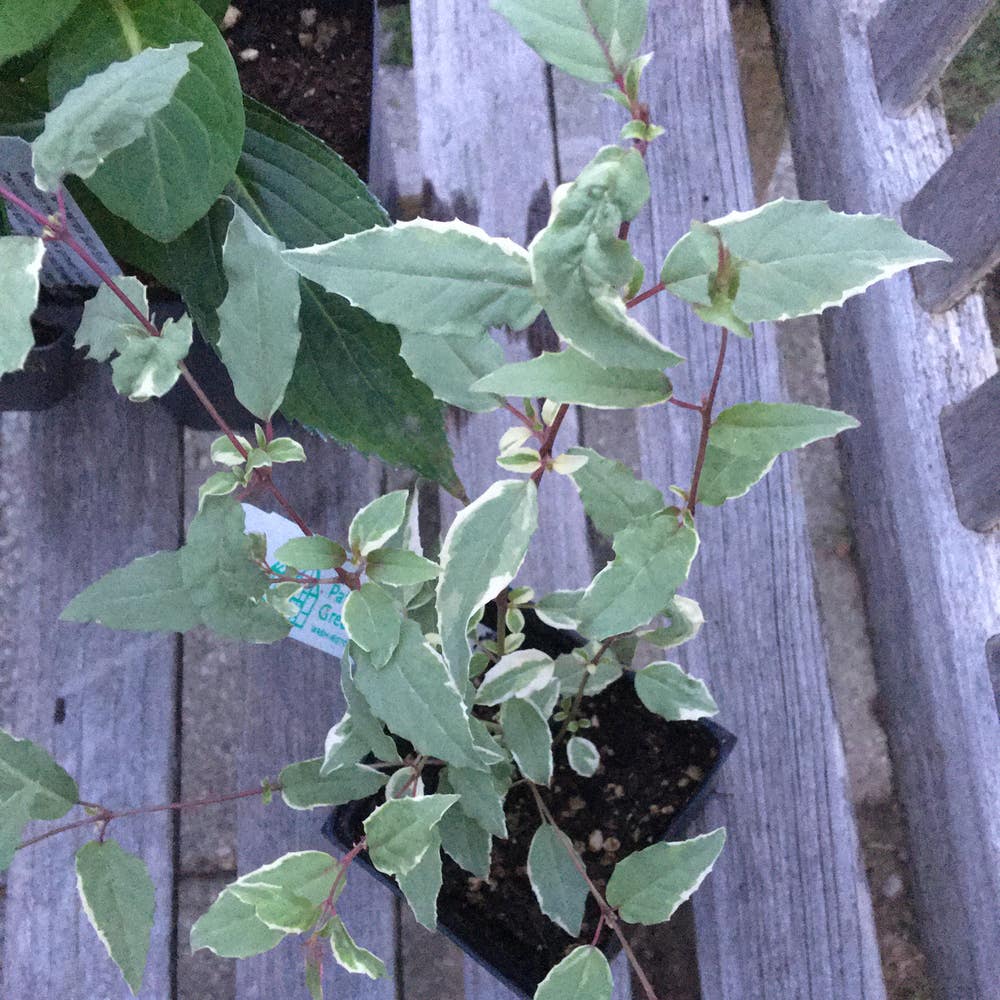
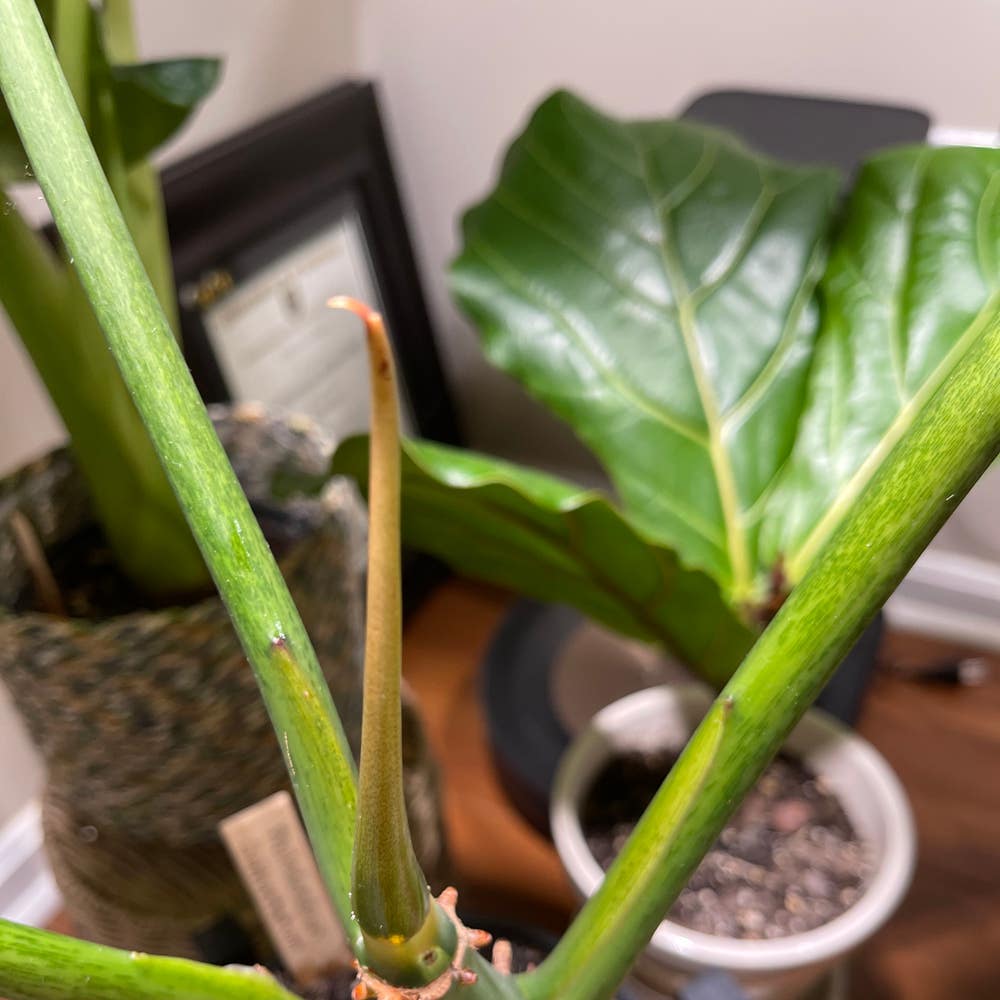
💧 Why Are My Philodendron subhastatum Leaves Mushy?
Philodendron subhastatum
By the Greg Editorial Team
Jun 18, 2024•4 min read
This article was created with the help of AI so we can cover more plants for you. May contain errors. See one? Report it here.
Rescue your Philodendron from mushy doom 🍂 with these life-saving plant care secrets!
- Mushy leaves signal distress, often from overwatering or disease.
- Check roots and adjust watering to prevent and address mushiness.
- Use well-draining soil and pots; treat diseases with care.
Spotting the Trouble: Signs Your Philodendron subhastatum Has Mushy Leaves
🚨 Visual Symptoms
Discoloration and mushiness in Philodendron subhastatum leaves are the plant's version of a distress flare. If your plant's foliage feels like a squished marshmallow, it's time to pay attention. Leaf droopiness is another red flag; it's not just a case of the Mondays, it's a symptom that shouldn't be ignored.
🔍 Root Check-Up
To get to the root of the problem, a hands-on inspection is key. Gently unearth your Philodendron subhastatum and examine its roots. Healthy roots should look like they're ready for a photoshoot—firm and white or tan. If they resemble soggy noodles and smell like they belong in the compost bin, you've got a classic case of root rot.

Immediate Rescue: Steps to Save Your Plant
🚱 Cutting Back on Water
Modify your watering schedule immediately. Your Philodendron subhastatum isn't training for a swim meet. Let the soil dry out like it's in a desert before you even think about watering again. Use a moisture meter or the good old finger test to assess soil moisture before the next watering.
🚰 Enhancing Drainage
Choose a soil mix that won't hold water like a sponge. Think cactus or succulent mix that drains faster than your patience on hold with customer service. Make sure your pot has drainage holes; if it doesn't, it's time for a transplant. Your plant's roots need air, not a bath.

Battling the Invisible Enemies: Fungal and Bacterial Foes
🦠 Identifying Common Culprits
Mushy leaves on your Philodendron subhastatum are like red flags, alerting you to the presence of fungal or bacterial foes. Fungal infections often present as discolored spots or a powdery substance on leaves, while bacterial issues can cause water-soaked lesions. Both can drastically alter the texture of the foliage, turning robust leaves into a sad, droopy mess.
💊 Treatment Tactics
When it comes to treatment, precision is key. For fungal infections, reach for a fungicide, but don't go trigger-happy; overuse can lead to resistance. Copper-based fungicides are a popular choice, but ensure they're compatible with your plant. Bacterial infections call for bactericides, and timing is crucial—apply early to prevent spread.
🏡 Home Remedies and Natural Alternatives
If you're hesitant to use chemicals, your kitchen might hold natural solutions. Baking soda sprays or neem oil can be effective against certain fungal issues. Remember, these are more about prevention and maintenance; once an infection has set in, they may not be enough. Always follow up with good plant hygiene, like removing affected leaves and keeping tools clean.

Long-Term Defense: Keeping Your Philodendron subhastatum Healthy
💧 Water Wisdom
Watering your Philodendron subhastatum isn't a set-it-and-forget-it deal. It's about balance. In summer, the soil dries out faster, so you might water every 9 days. Come winter, it's a chill 15-20 days between drinks. Stick your finger in the soil; if the top two inches are dry, it's time to water. But remember, moderation is key—overwatering is the fast track to mushy leaf city.
🌱 Soil and Pot Mastery
Repotting is like a plant spa day—it needs to happen every 2-3 years. Spring's the time to do it, right before your Philodendron hits its growth spurt. Choose a pot that's a size up and make sure it has drainage holes. Your soil should be the life of the party—loamy, sandy, and rich with organic matter like peat moss and perlite. It's all about that breathability to keep root rot at bay.
🛡️ Proactive Plant Care
Regular maintenance is your Philodendron subhastatum's best friend. Wipe those leaves down to keep pests off and shine on. Keep an eagle eye out for early distress signals—droopy leaves, discoloration, or stunted growth. And don't let the humidity drop; these tropical beauties need it steady. A humidifier or pebble tray can work wonders. Remember, consistent care is the secret sauce for a thriving, mush-free Philodendron.
⚠️ Safety First
This content is for general information and may contain errors, omissions, or outdated details. It is not medical, veterinary advice, or an endorsement of therapeutic claims.
Always consult a qualified healthcare professional before using any plant as food, medicine, or supplement.
Never eat any plant (or feed one to pets) without confirming its identity with at least two trusted sources.
If you suspect poisoning, call Poison Control (800) 222-1222, the Pet Poison Helpline (800) 213-6680, or your local emergency service immediately.
Spotted an error? Please report it here.
Revitalize your Philodendron subhastatum by banishing mushiness 🚫 with Greg's precise watering reminders and health monitoring tips.