When and Where Should I Trim My Philodendron subhastatum?
Philodendron subhastatum
By the Greg Editorial Team
Jun 18, 2024•4 min read
This article was created with the help of AI so we can cover more plants for you. May contain errors. See one? Report it here.
Discover the prime time to trim for a thriving, bushy Philodendron subhastatum 🌱—plus, turn clippings into new plants!
- 🌱 Prune in late winter/spring for best growth and healing.
- Trim above nodes for bushier Philodendron subhastatum.
- Use sharp shears; angle cuts to prevent disease, plant shock.
Timing Your Trims Just Right
🌱 The Best Seasons for Snipping
Late winter to early spring marks the ideal time for pruning your Philodendron subhastatum. This period, just before growth kicks in, allows the plant to heal rapidly, setting the stage for a lush, vibrant comeback. Pruning during dormancy, however, can lead to stunted growth and a less impressive display of foliage.
👀 Watching the Plant's Cues
Your Philodendron subhastatum will tell you when it's time for a trim. Look for yellowing leaves, overgrowth, or a general lackluster appearance as signals that your plant could use some attention. Brown or damaged leaves are energy drains and should be removed promptly. Remember, it's not just about calendar reminders; it's about responding to your plant's needs for optimal health and growth.

Strategic Snips: Where to Cut
🌱 Targeting the Right Spots
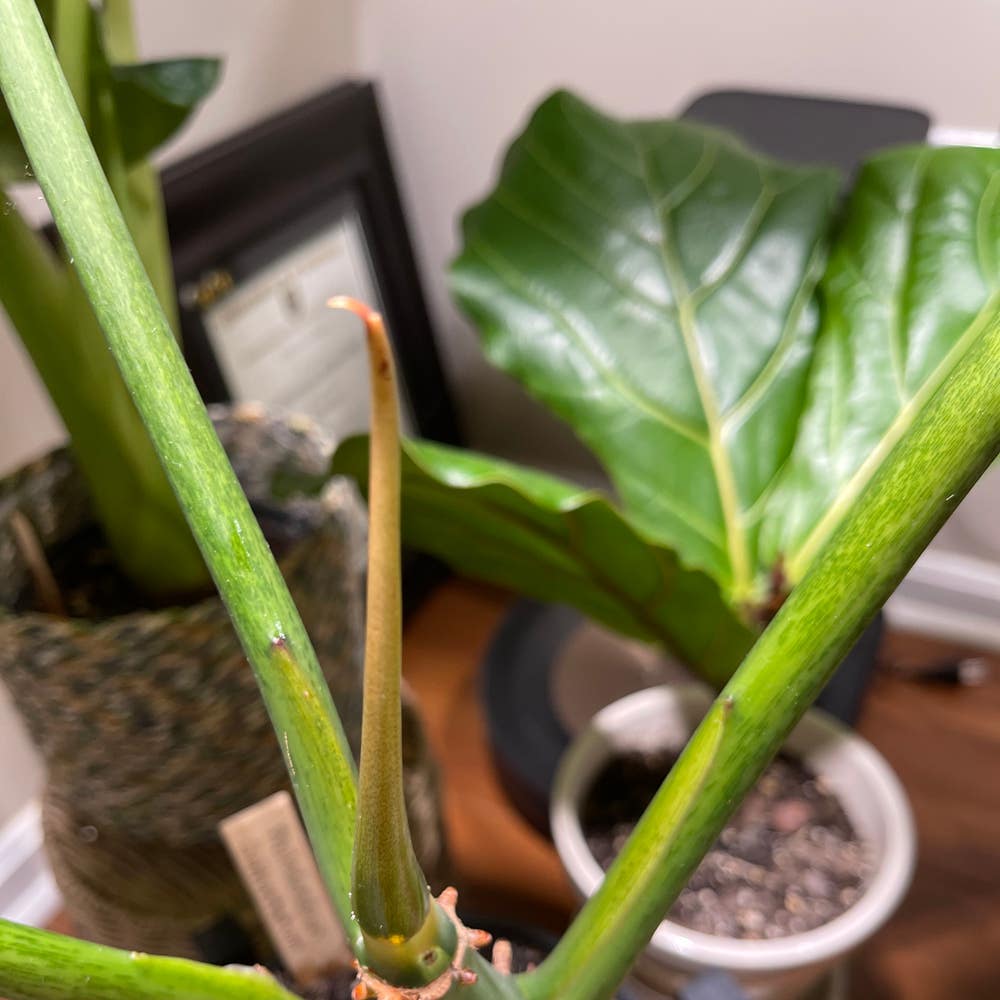
Identifying nodes and internodes is crucial when aiming for a bushier Philodendron subhastatum. Nodes are the plant’s junctions where leaves and potential new growth sprout. Snipping just above these nodes encourages the plant to branch out. Remember, it's not a demolition; it's a strategic operation for a more voluptuous plant.
Shaping your Philodendron subhastatum requires an eye for aesthetics and a hand for balance. Aim for symmetry and proportion while trimming. Overgrown branches that throw off the plant's silhouette should be cut back to a healthy bud or side shoot. It's like giving your plant a tailored suit; it should fit just right.
🚫 The No-Go Zones
Avoid cutting into the no-go zones to maintain your Philodendron subhastatum's health. These include any part of the main stem below the last set of leaves, as well as any new, undeveloped shoots. It's a bit like avoiding the quick when trimming nails – necessary to prevent harm.
When trimming, steer clear of any leaves or stems that show signs of disease or damage. Removing these parts is more than cosmetic; it redirects the plant's energy to healthier growth. Think of it as cutting out the noise to let the symphony play.

Pruning Like a Pro
🌿 Choosing Your Tools
Sharpness and sanitation are non-negotiable. Get your hands on pruning shears that could probably double as a samurai's sidekick. Sterilize them with rubbing alcohol or a bleach solution; think of it as a flu shot for your plant. Dull blades are a no-go—they're like a bad joke, they just don't cut it.
✂️ The Art of the Cut
Start with a visual assessment; you're the stylist here, and your Philodendron subhastatum is the star needing a trim. Snip above the node, where new life springs forth, but don't get too close—leave a hair's breadth to avoid stage fright (a.k.a. plant shock). Angle those cuts to shed water like a duck's back, preventing a sopping wet invitation to disease. And remember, less is more; think chic bob, not buzz cut.
🌱 Post-Pruning Care
After the haircut, it's pampering time. Your Philodendron subhastatum deserves a spa day. Ensure it's hydrated, but not drowning—like a good cocktail, balance is key. Keep an eye out for new growth; it's a sign your plant is thanking you for not going Edward Scissorhands on it.

The Fate of the Fallen: Handling Pruned Parts
🌱 Propagation Possibilities
After a careful pruning session, your Philodendron subhastatum leaves you with more than just a refreshed plant—it offers new growth opportunities. Those healthy trimmings can embark on a life of their own. Root division or stem cuttings are your tickets to expanding your green family. Simply place the cuttings in water or a well-draining soil mix and watch as they potentially develop roots, gifting you with new plants.
Waste Not, Want Not
Don't be quick to toss those fallen leaves into the trash. If they're disease-free, they can be composted, returning nutrients back to the earth. However, if your trimmings show signs of disease, it's better to bin them to prevent any chance of contamination. Remember, composting is like a quarantine for leaves—keeping the healthy in and the harmful out. Always check local regulations for green waste disposal to ensure you're not inviting pests or diseases into your garden sanctuary.
⚠️ Safety First
This content is for general information and may contain errors, omissions, or outdated details. It is not medical, veterinary advice, or an endorsement of therapeutic claims.
Always consult a qualified healthcare professional before using any plant as food, medicine, or supplement.
Never eat any plant (or feed one to pets) without confirming its identity with at least two trusted sources.
If you suspect poisoning, call Poison Control (800) 222-1222, the Pet Poison Helpline (800) 213-6680, or your local emergency service immediately.
Spotted an error? Please report it here.
Trim your Philodendron subhastatum at the ideal time 🕒 with Greg's tailored reminders, ensuring vibrant growth and the perfect shape from these expert tips.