The #1 Top Companion Plant for Philodendron subhastatum
Philodendron subhastatum
By the Greg Editorial Team
Sep 28, 2024•4 min read
This article was created with the help of AI so we can cover more plants for you. May contain errors. See one? Report it here.
Elevate your indoor garden 🌿 by discovering ideal companions for Philodendron subhastatum that thrive together beautifully!
- 🌱 Top companions for Philodendron subhastatum include Pothos, Peace Lily, and Snake Plant.
- 🌿 High humidity and indirect light are ideal for both Philodendron and its companions.
- 🐞 Companion plants deter pests, promoting a healthier environment for your Philodendron.
Best Companion Plants for Philodendron subhastatum
🌱 Description of Suitable Companion Plants
Plant 1: Pothos
Pothos is a fantastic companion for Philodendron subhastatum. It thrives in similar humidity and light conditions, making it easy to care for alongside your Philodendron.
This fast-growing vine not only complements the lush foliage of Philodendron subhastatum but also adds a vibrant touch to your indoor garden.
Plant 2: Peace Lily
The Peace Lily is another excellent choice. It prefers indirect light and high humidity, aligning perfectly with the needs of Philodendron subhastatum.
With its stunning white blooms, the Peace Lily enhances the visual appeal of your plant arrangement, creating a striking contrast.
Plant 3: Snake Plant
The Snake Plant offers unique benefits as a companion. It tolerates low light and irregular watering, providing flexibility in care that can be a lifesaver for busy plant parents.
Its striking upright leaves add a bold contrast to the heart-shaped leaves of Philodendron subhastatum, enriching your plant display.
🌿 Explanation of Why These Plants are Beneficial Companions
Similar Care Needs
All selected plants thrive in humid environments and prefer indirect light. This compatibility simplifies care routines, allowing you to focus on nurturing your green friends.
Pest-Repellent Properties
Some of these companion plants can deter common pests that affect Philodendron subhastatum. This natural defense mechanism helps keep your plants healthier and more vibrant.
Visual Appeal and Aesthetic Harmony
The diverse foliage shapes and colors create a visually pleasing arrangement. This aesthetic harmony not only beautifies your space but also promotes a sense of tranquility.
🚫 Plants to Avoid Near Philodendron subhastatum
Plant 1: Cacti
Cacti are best avoided as companions. They require very different watering needs and light conditions, which can create stress for your Philodendron.
Additionally, cacti can compete for space and resources, hindering the growth of your Philodendron subhastatum.
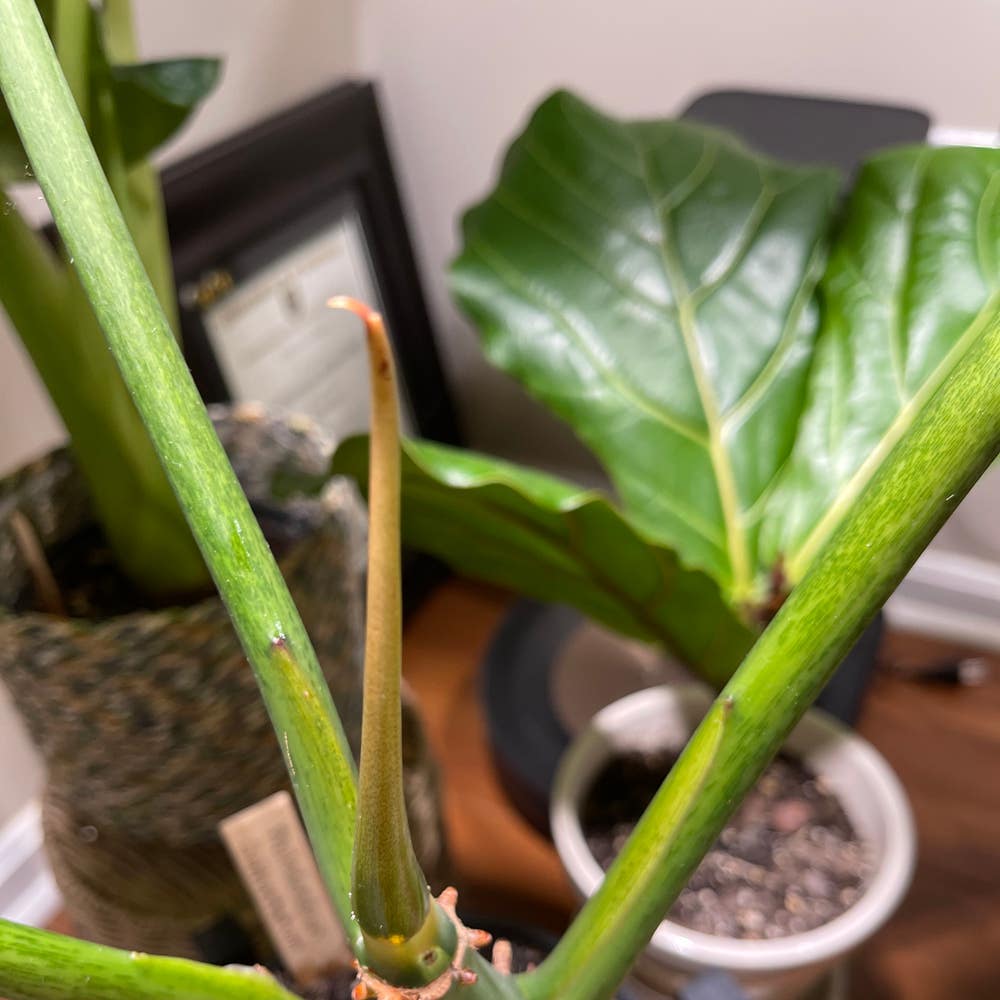
Plant 2: Fiddle Leaf Fig
The Fiddle Leaf Fig is another plant to steer clear of. Its larger growth habit can overshadow Philodendron subhastatum, limiting its access to light.
Moreover, differing humidity and light requirements may lead to stress, making it a poor companion choice.
⚠️ Potential Issues Caused by These Plants
Choosing incompatible plants can lead to competition for nutrients and space, resulting in stunted growth.
Increased susceptibility to pests and diseases may also occur due to the stress factors introduced by these unsuitable companions.
By carefully selecting companion plants, you can create a thriving environment for your Philodendron subhastatum, ensuring it flourishes beautifully.
Pest Management through Companion Planting
How Companion Plants Can Deter Pests 🌱
Companion plants play a crucial role in pest management by utilizing natural compounds that deter unwanted insects. These plants can release specific scents or chemicals that repel pests, creating a protective barrier around your Philodendron subhastatum.
Additionally, companion plants attract beneficial insects, such as ladybugs and lacewings, which prey on common pests. This natural form of pest control enhances the overall health of your garden.
Specific Pests that Philodendron subhastatum May Face 🐛
Philodendron subhastatum is susceptible to several pests, including spider mites, aphids, and mealybugs. Recognizing the signs of infestation early can save your plant from significant damage.
Look for webbing, sticky residue, or discolored leaves as indicators of spider mites. Aphids often cluster on new growth, while mealybugs appear as white, cottony masses on stems and leaves.
Companion Plants that Help in Pest Management 🌼
Certain companion plants can effectively manage pests around Philodendron subhastatum.
Pothos: This resilient plant can deter spider mites through its vigorous growth, making it a great companion.
Peace Lily: Known for its natural compounds, the Peace Lily can repel aphids and mealybugs, providing an extra layer of protection.
By incorporating these companion plants, you not only enhance the beauty of your space but also create a healthier environment for your Philodendron subhastatum. This proactive approach to pest management can lead to a thriving garden ecosystem.
Enhancing Garden Diversity
🌱 Importance of Garden Diversity
A diverse garden ecosystem promotes plant health and resilience. When various species coexist, they support each other, creating a balanced environment that thrives.
🌼 How Companion Planting Contributes to a Diverse Ecosystem
Companion planting encourages a variety of plant interactions, which can enhance soil health and biodiversity. This practice also creates habitats for beneficial insects and pollinators, enriching the garden's ecosystem.
🌿 Examples of Diverse Planting Combinations with Philodendron subhastatum
Consider pairing Philodendron subhastatum with Pothos and Peace Lily. This combination not only enhances visual appeal but also supports ecosystem health.
When selecting companions, think about plant heights, colors, and growth habits. A well-planned arrangement can create a stunning and functional garden space.
By embracing diversity in your garden, you foster a vibrant environment that benefits all plants involved. This approach not only enhances aesthetics but also contributes to a healthier, more resilient ecosystem.
⚠️ Safety First
This content is for general information and may contain errors, omissions, or outdated details. It is not medical, veterinary advice, or an endorsement of therapeutic claims.
Always consult a qualified healthcare professional before using any plant as food, medicine, or supplement.
Never eat any plant (or feed one to pets) without confirming its identity with at least two trusted sources.
If you suspect poisoning, call Poison Control (800) 222-1222, the Pet Poison Helpline (800) 213-6680, or your local emergency service immediately.
Spotted an error? Please report it here.
Elevate your indoor garden's beauty and health 🌿 by pairing your Philodendron subhastatum with companions like Pothos, and let Greg's tailored care reminders ensure they all thrive together!