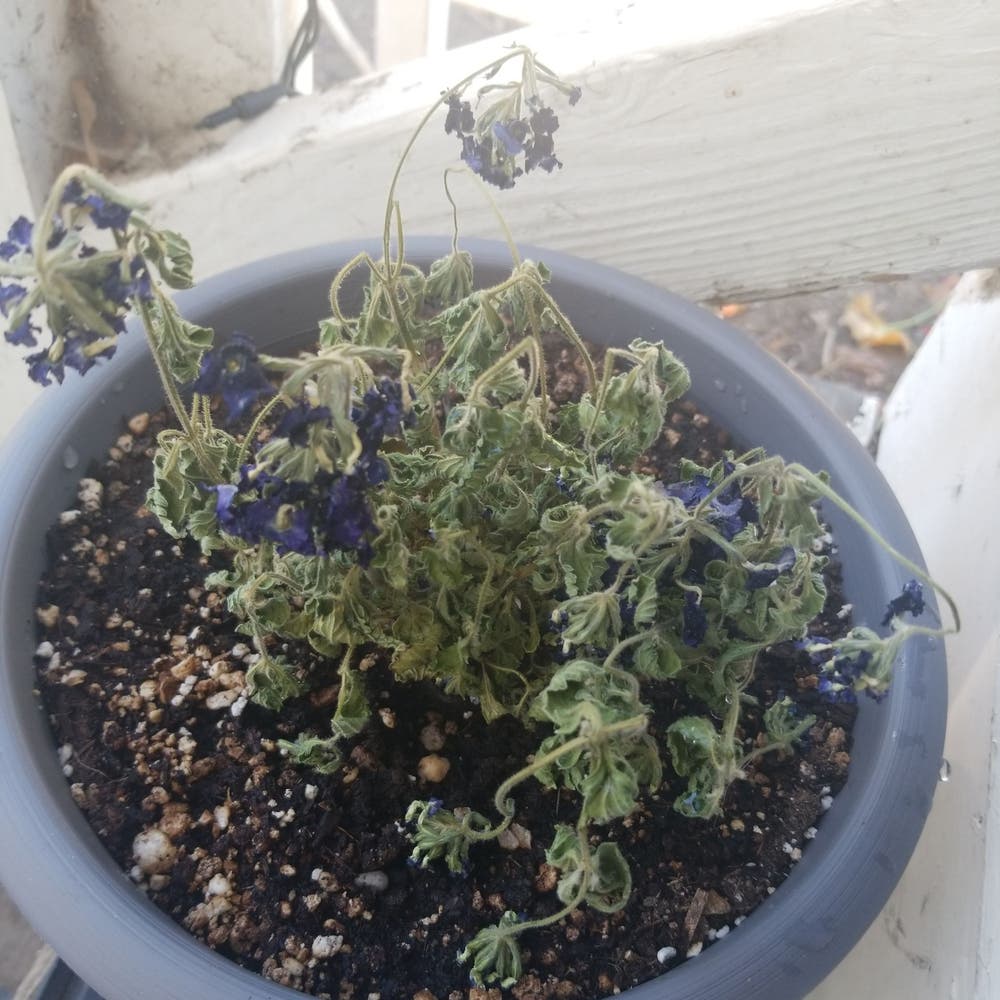
Best Tips for Repotting Blue Vervain 🪴
Verbena hastata
By the Greg Editorial Team
Oct 15, 2024•6 min read
This article was created with the help of AI so we can cover more plants for you. May contain errors. See one? Report it here.
Revitalize your blue vervain's growth and health with these essential repotting tips! 🌱✨
- 🌱 Signs of root bound include roots escaping drainage holes; repot when noticed.
- ⏰ Best time to repot blue vervain is early spring, before new growth begins.
- 🛠️ Gather supplies like pots and mix beforehand for a smooth repotting process.
Signs that Repotting is Needed
🌱 Root Bound Indicators
Recognizing when your blue vervain needs repotting is crucial for its health. Look for roots growing out of the drainage holes; this is a clear sign that the plant is root bound.
Another indicator is roots circling the pot's interior. If you notice stunted growth despite providing adequate care, it might be time to repot. Yellowing leaves or wilting can also indicate stress, signaling that your plant is struggling for space.
⏰ Timing for Repotting
Timing is everything when it comes to repotting. The best time to repot blue vervain is early spring, just before new growth begins.
Avoid repotting during flowering or extreme temperature changes. This helps minimize stress on the plant, allowing it to thrive in its new environment.
Step-by-Step Guide to Repotting
Repotting your Blue Vervain can be a rewarding experience. Follow these steps to ensure your plant thrives in its new home.
1. Gather Necessary Materials 🛠️
Start by collecting your supplies: a new pot, quality potting mix, gardening gloves, and essential tools. Having everything on hand makes the process smoother.
2. Choose the Right Pot Size 📏
Select a pot that is 1-2 inches larger in diameter than the current one. This gives your plant room to grow without overwhelming it.
3. Remove the Plant 🌱
Carefully take the plant out of its current pot. Loosen the soil around the roots gently to avoid damage.
4. Inspect the Roots 🔍
Check the roots for any signs of health issues. Trim away any damaged or dead roots to promote better growth.
5. Add Potting Mix 🥣
Place a layer of potting mix at the bottom of the new pot. This foundation supports the plant and aids drainage.
6. Position the Plant 🎯
Center the plant in the new pot and fill it with potting mix. Ensure the crown of the plant is level with the soil surface for optimal growth.
7. Water Thoroughly 💧
After filling, water the plant thoroughly. This helps eliminate air pockets and settles the soil around the roots.
8. Find the Right Location 🏡
Finally, place your repotted plant in a suitable spot based on its light requirements. Monitor its response to ensure it adapts well.
By following these steps, you’ll set your Blue Vervain up for success. Next, let’s explore the best pot material options to enhance your plant’s growth.
Pot Material Options
🌱 Benefits of Terracotta Pots
Terracotta pots are a gardener's best friend when it comes to breathability. Their porous nature allows for excellent moisture regulation, which is crucial for healthy root development.
Additionally, these pots are heavy, providing stability for taller plants like blue vervain. This weight helps prevent tipping, especially in windy conditions.
🪴 Advantages of Plastic Pots
Plastic pots are lightweight and incredibly easy to move around. This makes them ideal for those who like to rearrange their plants or bring them indoors during colder months.
They also retain moisture longer than terracotta, which can be a lifesaver in dry conditions. This moisture retention helps keep your blue vervain hydrated without constant watering.
⚠️ Disadvantages of Metal Pots
While metal pots can look sleek, they come with significant drawbacks. They can overheat in direct sunlight, potentially damaging the roots of your plants.
Moreover, metal pots often lack proper drainage options, increasing the risk of root rot. It's essential to weigh these factors before choosing metal for your blue vervain.
📏 Choosing the Right Size Pot
When selecting a pot, aim for one that is 1-2 inches larger in diameter than the previous pot. This small increase allows for growth without overwhelming the plant.
Also, consider the height and stability of the pot, especially given the tall growth habit of blue vervain. A well-sized pot will support your plant's needs while promoting healthy development.
As you explore potting options, remember that the right material and size can significantly impact your plant's health. Next, let’s dive into the ideal soil and drainage solutions for your blue vervain.
Soil and Drainage
Recommended Potting Mix 🌱
For blue vervain, a well-draining potting mix is crucial. Aim for a blend that includes 50% potting soil, 30% perlite, and 20% peat moss to ensure optimal moisture retention and aeration.
Importance of Drainage Holes 🚰
Drainage holes are essential for preventing waterlogging and root rot. Always check that your new pot has adequate drainage to keep your plant healthy and thriving.
How to Improve Drainage 🪨
To enhance drainage, consider adding gravel or small stones at the bottom of the pot. Additionally, using a potting mix specifically designed for moisture-loving plants can further improve drainage and promote root health.
Understanding the right soil and drainage techniques is vital for the success of your blue vervain. With the right potting mix and drainage solutions, your plant will be set up for healthy growth and vibrant blooms.
Next, let’s explore the best pot material options to complement your repotting efforts.
Post-Repotting Care
💧 Watering Schedule
After repotting, give your Blue Vervain a thorough soak. This initial watering helps settle the soil and eliminates air pockets.
For follow-up care, check the top inch of soil. Water when it feels dry, typically every 1-2 weeks, to keep your plant happy and hydrated.
☀️ Light Requirements
If your plant was previously in lower light, gradually reintroduce it to full sun conditions. This slow transition helps prevent shock and stress.
Keep an eye out for any signs of distress, like wilting or yellowing leaves. Adjust the light exposure as needed to keep your plant thriving.
🌱 Fertilization Tips
Patience is key when it comes to fertilizing after repotting. Wait 4-6 weeks to allow the roots to settle into their new environment.
When you do fertilize, opt for a balanced, water-soluble fertilizer at half strength. This gentle approach supports healthy growth without overwhelming your plant.
By following these post-repotting care tips, you set your Blue Vervain up for success. Next, let’s explore some common repotting mistakes to avoid for a smoother experience.
Common Repotting Mistakes
🌱 Overpotting
Choosing a pot that's too large can lead to excess moisture retention, which is a common pitfall for many plant enthusiasts. Aim for a pot that allows for growth without overwhelming your blue vervain.
🔍 Not Checking Root Health
Failing to inspect the roots before repotting can result in transplanting damaged plants. Always take the time to trim any unhealthy roots to promote better recovery.
🌦️ Ignoring Seasonal Changes
Repotting during flowering or extreme temperatures can stress your plant significantly. Timing is crucial for successful repotting and maintaining plant health, so be mindful of the seasons.
Understanding these common mistakes can make a world of difference in your repotting journey. With the right approach, your blue vervain will thrive in its new home.
⚠️ Safety First
This content is for general information and may contain errors, omissions, or outdated details. It is not medical, veterinary advice, or an endorsement of therapeutic claims.
Always consult a qualified healthcare professional before using any plant as food, medicine, or supplement.
Never eat any plant (or feed one to pets) without confirming its identity with at least two trusted sources.
If you suspect poisoning, call Poison Control (800) 222-1222, the Pet Poison Helpline (800) 213-6680, or your local emergency service immediately.
Spotted an error? Please report it here.
Transform your blue vervain's growth with expert repotting tips 🌿 from Greg, ensuring your plant thrives with personalized reminders and care tailored just for it!