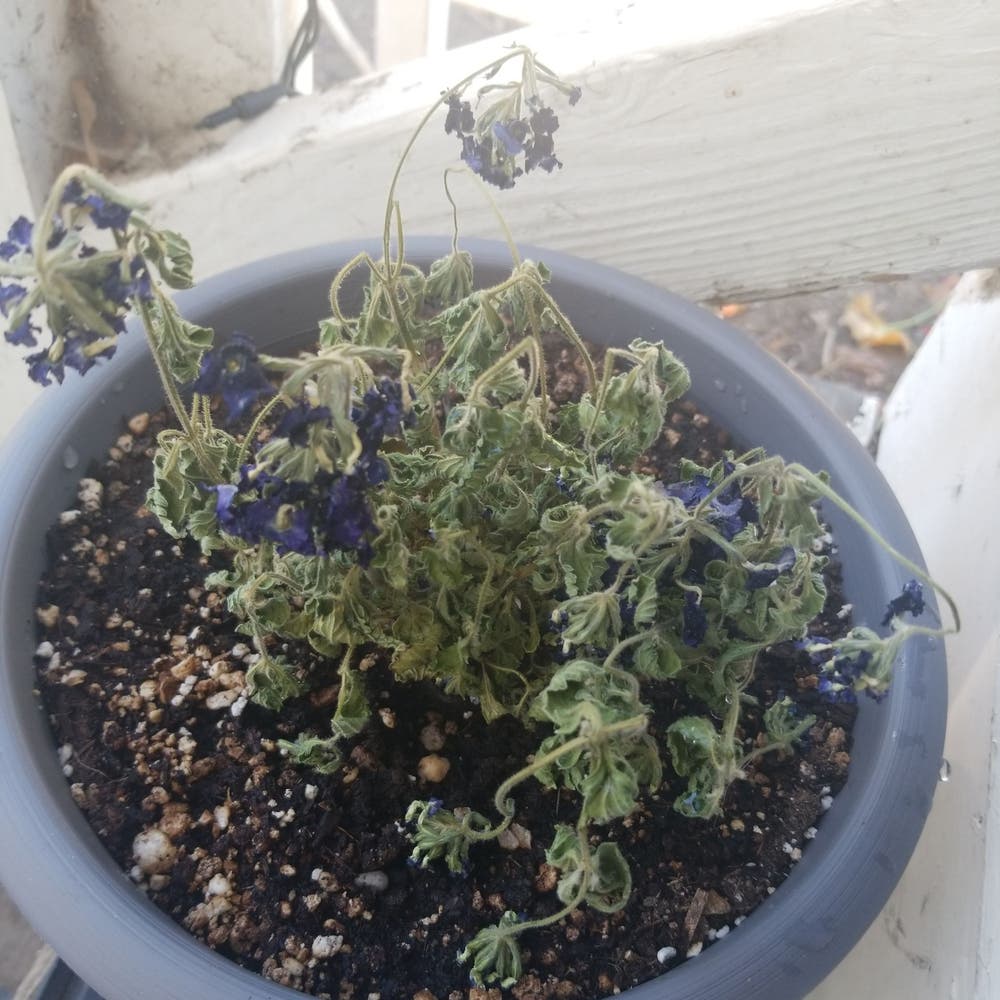
🦋 8 Plants That Love Growing with Blue Vervain
Verbena hastata
By the Greg Editorial Team
Oct 15, 2024•5 min read
This article was created with the help of AI so we can cover more plants for you. May contain errors. See one? Report it here.
Boost your garden's health and beauty 🌿 by pairing Blue Vervain with these essential companion plants!
- 🌼 Blue Vervain thrives with moisture-loving plants, enhancing garden health and beauty.
- 🐝 Companion plants like Echinacea and Monarda attract pollinators, boosting biodiversity.
- 🌿 Avoid mint and fennel near Blue Vervain to prevent competition and growth inhibition.
Best Companion Plants for Blue Vervain
🌼 Plant 1: Echinacea
Echinacea, known for its tall stature and vibrant purple flowers, is a stunning addition to any garden. This perennial not only attracts pollinators like bees and butterflies but also thrives in similar moisture-loving conditions as Blue Vervain.
🌺 Plant 2: Monarda
Monarda, or bee balm, features fragrant, tubular flowers that are a magnet for hummingbirds and beneficial insects. Its shared sun and moisture preferences make it an ideal companion, enhancing the overall garden ecosystem.
🌻 Plant 3: Rudbeckia
Rudbeckia, with its bright yellow flowers and dark centers, provides a striking visual contrast to Blue Vervain. Beyond aesthetics, it attracts pollinators and boasts pest-repellent properties, making it a dual-purpose plant.
🦋 Plant 4: Asclepias
Asclepias, or milkweed, is a native perennial celebrated for its clusters of orange or pink flowers. It's essential for monarch butterflies, boosting pollinator diversity while thriving in similar soil and moisture conditions as Blue Vervain.
🌿 Plant 5: Salvia
Salvia, an aromatic herb with spikes of blue or purple flowers, serves as a natural pest repellent, particularly against aphids. Its compatibility with Blue Vervain's growing conditions makes it a beneficial neighbor in the garden.
🌱 Plant 6: Achillea
Achillea, or yarrow, features fern-like foliage and flat-topped flower clusters. This plant attracts beneficial insects while repelling harmful pests, thriving in well-drained soils that complement Blue Vervain's needs.
🌸 Plant 7: Agastache
Agastache, known for its aromatic spikes of colorful flowers, is another excellent companion. It attracts pollinators and beneficial insects, preferring similar moisture levels to Blue Vervain, enhancing overall garden harmony.
🌾 Plant 8: Thymus
Thymus, or thyme, is a low-growing herb with small, fragrant leaves. It acts as a ground cover, preventing soil erosion while sharing similar soil and moisture requirements, making it a perfect companion for Blue Vervain.
These companion plants not only enhance the beauty of your garden but also create a thriving ecosystem. By choosing the right plants, you can ensure a vibrant and healthy environment for Blue Vervain and its neighbors. Next, let’s explore how these companions can help with pest management.
Pest Management with Companion Plants
🌱 How Companion Plants Help with Pest Control
Companion plants are nature's little helpers when it comes to pest management. Many of them release natural compounds that repel unwanted pests, creating a healthier garden environment.
Additionally, these plants attract beneficial insects that prey on pests. This natural balance can significantly reduce pest populations without the need for harsh chemicals.
🐞 Specific Pests Repelled by Companion Plants
Certain companion plants are particularly effective against specific pests:
Aphids: Salvia and Achillea are known to deter these pesky insects, keeping your plants safe.
Spider Mites: Echinacea and Monarda can help control spider mite populations, ensuring your garden thrives.
Whiteflies: A diverse planting strategy, including Rudbeckia, can effectively deter whiteflies, promoting a healthier ecosystem.
By incorporating these companion plants, you not only enhance your garden's beauty but also create a robust defense against common pests. This approach fosters a thriving environment for both plants and pollinators, setting the stage for a flourishing garden.
Next, let’s explore how these companion plants can enhance the visual appeal and aesthetic benefits of your garden.
Visual Appeal and Aesthetic Benefits
🎨 Color and Texture Combinations with Blue Vervain
Pairing Blue Vervain with yellow Rudbeckia creates a stunning contrast that energizes any garden space. The vibrant purple of Echinacea adds another layer of color, making your garden a visual feast.
Combining tall Blue Vervain with low-growing herbs like Thyme introduces textural diversity. This layering effect not only enhances aesthetics but also creates a more dynamic garden environment.
🌼 Seasonal Interest and Bloom Times
Staggered flowering times among companion plants ensure your garden remains visually captivating throughout the growing season. This extended bloom period keeps colors alive and vibrant, drawing the eye at every turn.
As the seasons change, the transition of colors and textures adds depth to your landscape. Watching this evolution can be a rewarding experience, reminding you of nature's beauty and resilience.
With these visual strategies, your garden can thrive not just in health but in beauty, setting the stage for the next topic on pest management.
Plants to Avoid Near Blue Vervain
Plant 1: Mint 🌱
Mint may seem harmless, but its aggressive growth can quickly outcompete Blue Vervain for essential nutrients and space. If you want to keep your garden thriving, it's best to steer clear of this invasive herb.
Plant 2: Fennel 🚫
Fennel is another plant to avoid due to its allelopathic properties. It can inhibit the growth of nearby plants, including Blue Vervain, which can lead to a less vibrant garden.
Plant 3: Tomato 🍅
Tomatoes might be a garden favorite, but they share vulnerabilities with Blue Vervain. Both are susceptible to similar pests and diseases, increasing the risk of infestations that can harm your plants.
By being mindful of these plants, you can create a healthier environment for Blue Vervain and its companions. Next, let’s explore how companion plants can enhance pest management in your garden.
⚠️ Safety First
This content is for general information and may contain errors, omissions, or outdated details. It is not medical, veterinary advice, or an endorsement of therapeutic claims.
Always consult a qualified healthcare professional before using any plant as food, medicine, or supplement.
Never eat any plant (or feed one to pets) without confirming its identity with at least two trusted sources.
If you suspect poisoning, call Poison Control (800) 222-1222, the Pet Poison Helpline (800) 213-6680, or your local emergency service immediately.
Spotted an error? Please report it here.
Boost your garden's health and beauty with perfectly paired plants 🌼 for Blue Vervain, and let Greg guide you with tailored care tips to ensure they thrive together!