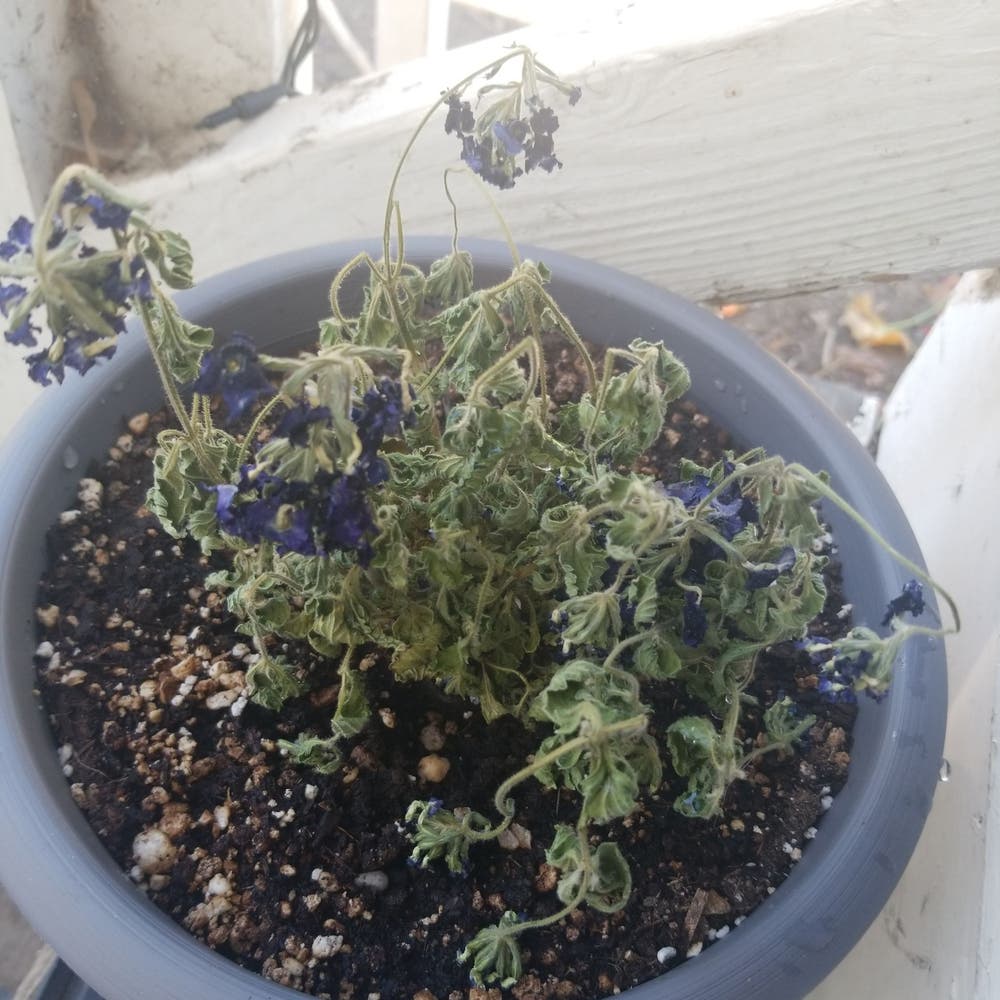
🌼 Understanding Why Your Blue Vervain Is Wiling
Verbena hastata
By the Greg Editorial Team
Oct 15, 2024•6 min read
This article was created with the help of AI so we can cover more plants for you. May contain errors. See one? Report it here.
Transform your wilting Blue Vervain 🌿 into a thriving beauty with essential tips for diagnosing and overcoming plant stress!
- 💧 Wilting in Blue Vervain often signals water stress from under or overwatering.
- ☀️ Heat stress and extreme temperatures can also cause wilting; provide shade as needed.
- 🌱 Disease may cause wilting; check for yellowing leaves and improve drainage to prevent issues.
Common Causes of Wilting Leaves
💧 Water Stress
Wilting leaves can often signal water stress in your Blue Vervain. Look for drooping leaves, dry soil, and curling foliage as key symptoms.
Inadequate watering or overwatering can lead to root suffocation. It's a delicate balance; too little moisture leaves the plant thirsty, while too much can drown its roots.
☀️ Heat Stress
Heat stress is another common culprit behind wilting. If you notice your plant wilting during hot weather or developing scorched leaf edges, it’s time to take action.
Extreme temperatures or direct sunlight without adequate moisture can wreak havoc on your plant’s health. Protecting your Blue Vervain from these conditions is crucial.
🦠 Disease-Related Wilting
While less common, disease-related wilting can occur. Symptoms include yellowing leaves and wilting, even when the plant is adequately watered.
This issue is typically linked to root rot or fungal infections. Although rare in Blue Vervain, it’s essential to stay vigilant and address any signs of disease promptly.
Understanding these causes is the first step in reviving your wilting Blue Vervain. Next, we’ll explore how to diagnose the issue effectively.
Diagnosing Wilting
📝 Step-by-Step Guide
Check Soil Moisture Level
Use your finger to gauge moisture 1-2 inches deep. This simple test helps you determine if your Blue Vervain is thirsty or overwatered.Observe Environmental Conditions
Note the temperature and sunlight exposure. Extreme heat or direct sunlight can stress your plant, leading to wilting.Inspect Leaves
Look for discoloration, spots, or signs of pests. Healthy leaves should be vibrant and free from blemishes.Assess Watering Habits
Review your watering schedule and techniques. Consistency is key; both under and overwatering can cause issues.
🔍 Signs to Look For
Leaf Texture
Soft or mushy leaves may indicate overwatering. This is a clear signal that your plant needs a change in care.Leaf Color
Yellowing leaves can suggest nutrient deficiencies or disease. Pay attention; this could be your plant's way of asking for help.Growth Pattern
Stunted growth or a leggy appearance can indicate inadequate light or water. A healthy plant should exhibit robust growth.
Diagnosing wilting in your Blue Vervain is crucial for its recovery. By following these steps, you can pinpoint the issue and take action. Next, let’s explore effective solutions to revive your plant and keep it thriving.
Solutions for Wilting Leaves
🌊 Addressing Water Stress
Adjusting your watering frequency is crucial. Aim for soil that remains consistently moist but not waterlogged to keep your Blue Vervain thriving.
Implementing bottom watering techniques can also be beneficial. Simply place the pot in a shallow tray of water for about 30 minutes, allowing the roots to absorb moisture effectively.
☀️ Solutions for Heat Stress
To combat heat stress, provide shade during peak sun hours. Using shade cloth or relocating your plant to a cooler area can make a significant difference.
Increasing humidity around your plant is another effective strategy. Mist the leaves or use a humidity tray to create a more favorable environment.
🦠 Solutions for Disease-Related Wilting
Improving drainage is essential for preventing disease-related wilting. Ensure your pots have drainage holes and consider amending the soil with perlite for better aeration.
Additionally, removing affected leaves can help. Prune any wilted or diseased foliage to prevent the spread of issues to healthier parts of the plant.
🌱 Techniques for Reviving a Wilted Plant
Bottom watering is a simple yet effective technique for reviving a wilted plant. This method allows for gradual moisture absorption, reducing the risk of overwatering.
Consider a temporary relocation of your plant to a cooler, shaded area until you see signs of recovery. This can help it bounce back more quickly.
Lastly, pruning wilted leaves can encourage new growth. Cutting back damaged foliage not only improves appearance but also promotes healthier development.
By implementing these solutions, you can effectively address wilting in your Blue Vervain and ensure its vibrant health. Next, let’s explore preventive measures to minimize future wilting.
Preventive Measures
Tips to Minimize Future Wilting 🌱
Regularly checking soil moisture is essential for your Blue Vervain. A moisture meter can provide accurate readings, helping you avoid both under and overwatering.
Maintaining a consistent watering schedule is equally important. Water deeply but infrequently to encourage strong root growth and resilience.
Environmental Adjustments 🌍
Positioning your plant correctly can make a world of difference. Ensure it receives full sun to partial shade, which helps it thrive without becoming stressed.
Soil amendments are another key factor. Using well-draining soil prevents waterlogging, which can lead to root rot and other issues.
By implementing these preventive measures, you can keep your Blue Vervain healthy and vibrant. Next, let’s explore the unique characteristics of this fascinating plant.
Unique Characteristics
🌍 Sensitivity to Environmental Changes
Blue Vervain is particularly sensitive to shifts in its environment. Extreme temperature fluctuations can stress the plant, making it vulnerable to wilting and other issues.
This plant thrives on consistent care, especially in fluctuating climates. If conditions swing from hot to cold or wet to dry, your Blue Vervain may struggle to adapt.
🌵 Drought Conditions
Drought can be a significant challenge for Blue Vervain. Prolonged dry spells can lead to wilting, as the plant lacks the moisture it needs to sustain itself.
Regular monitoring of soil moisture is essential. Keeping an eye on your plant’s needs can help prevent stress and promote healthy growth.
🛠️ Consistent Care
To ensure your Blue Vervain flourishes, consistent care is key. This includes regular watering, monitoring for pests, and adjusting its environment as needed.
By being attentive to these factors, you can create a nurturing space for your plant. This proactive approach will help your Blue Vervain thrive, even in less-than-ideal conditions.
As you continue to care for your plant, remember that understanding its unique characteristics is crucial. This knowledge will guide you in making the right adjustments to keep your Blue Vervain healthy and vibrant.
Next, let’s explore when it might be time to seek help for your wilting plant.
When to Seek Help
Signs That Require Expert Assistance 🌱
If your Blue Vervain is wilting persistently despite your best care efforts, it might be time to seek help. This is especially true if you notice severe signs of disease or pest infestation, such as unusual spots or a sudden increase in leaf drop.
Resources for Assistance 🛠️
Local nurseries can be a goldmine for expert advice and plant diagnostics. They often have knowledgeable staff who can help identify issues specific to your plant.
Engaging with the plant care community online is another great option. Forums and social media groups allow you to share experiences and gather solutions from fellow plant enthusiasts.
By being proactive and seeking help when needed, you can ensure your Blue Vervain thrives. Next, let’s explore preventive measures to minimize future wilting.
⚠️ Safety First
This content is for general information and may contain errors, omissions, or outdated details. It is not medical, veterinary advice, or an endorsement of therapeutic claims.
Always consult a qualified healthcare professional before using any plant as food, medicine, or supplement.
Never eat any plant (or feed one to pets) without confirming its identity with at least two trusted sources.
If you suspect poisoning, call Poison Control (800) 222-1222, the Pet Poison Helpline (800) 213-6680, or your local emergency service immediately.
Spotted an error? Please report it here.
Revive your wilting Blue Vervain with Greg's tailored watering alerts 🌱, ensuring it gets just the right amount of moisture to thrive in any environment!