5 Secrets to Successfully Grow Blue Vervain 🌸
Verbena hastata
By the Greg Editorial Team
Oct 15, 2024•5 min read
This article was created with the help of AI so we can cover more plants for you. May contain errors. See one? Report it here.
Cultivate a vibrant blue vervain garden 🌼 with essential tips for thriving plants and year-round blooms!
- ☀️ Blue vervain needs 6-8 hours of sunlight daily for optimal growth.
- 🌱 Ideal soil is well-drained loamy or sandy with a pH of 6.0-7.5.
- 💧 Keep soil consistently moist; use drip irrigation to prevent fungal issues.
Choosing the Right Location
🌞 Sunlight Requirements
Blue vervain thrives best in full sun, requiring 6-8 hours of direct sunlight daily. While it can tolerate partial shade, this may impact its flowering potential.
🌤️ Ideal Climate Conditions
This plant prefers moderate climates and is hardy in USDA zones 3-9. It flourishes in areas with consistent moisture, closely resembling its natural habitat.
📝 Key Takeaways
- Sunlight: Aim for full sun for optimal growth.
- Climate: Moderate temperatures and humidity are essential for thriving plants.
By selecting the right location, you set the stage for a flourishing blue vervain garden. Next, let’s dive into soil preparation to ensure your plants have the best foundation for growth.
Soil Preparation
Soil Type and pH Preferences 🌱
To grow blue vervain successfully, start with well-drained soil. This plant thrives in loamy or sandy soils that allow excess water to escape, preventing root rot.
The pH level is equally important. Aim for a range between 6.0 and 7.5 to create the ideal environment for growth.
Amendments and Drainage Considerations 💧
Incorporating organic matter, like compost, can significantly enhance soil fertility and drainage. This simple step can make a world of difference in your plant's health.
If your soil struggles with drainage, consider adding gravel or sand. These amendments improve soil structure, ensuring your blue vervain has the best chance to flourish.
With the right soil preparation, your blue vervain will be set for success. Next, let's dive into the planting process to ensure your efforts yield beautiful blooms.
Planting
🌱 Seed vs. Transplanting
When it comes to planting blue vervain, you have two main options: starting from seeds or transplanting seedlings.
Starting from seeds is a rewarding process, but patience is key. Expect germination to take about 14-30 days, and remember to sow the seeds at a depth of 1/4 inch for optimal growth.
On the other hand, transplanting seedlings can give you a head start. Aim to transplant them after the last frost, ensuring they are 4-6 inches tall for the best chance of thriving in their new environment.
📏 Spacing and Depth Guidelines
Proper spacing is crucial for healthy growth. Space your blue vervain plants 12-18 inches apart to allow them room to flourish.
When planting, make sure to place them at the same depth as they were in their nursery container. This helps maintain their health and encourages robust growth.
With these planting tips, you're well on your way to cultivating a thriving blue vervain garden. Next, let’s dive into the essential watering practices to keep your plants hydrated and healthy.
Watering
🌊 Frequency and Methods
Keeping your Blue Vervain soil consistently moist is crucial, especially during dry spells. Aim for a watering schedule that ensures the roots receive adequate hydration without becoming waterlogged.
For effective watering, consider using drip irrigation or soaker hoses. These methods deliver moisture directly to the soil, minimizing water on the foliage and reducing the risk of fungal diseases.
🚰 Signs of Overwatering or Underwatering
It's essential to recognize the signs of overwatering, such as yellowing leaves and root rot. If you notice these symptoms, it may be time to adjust your watering routine.
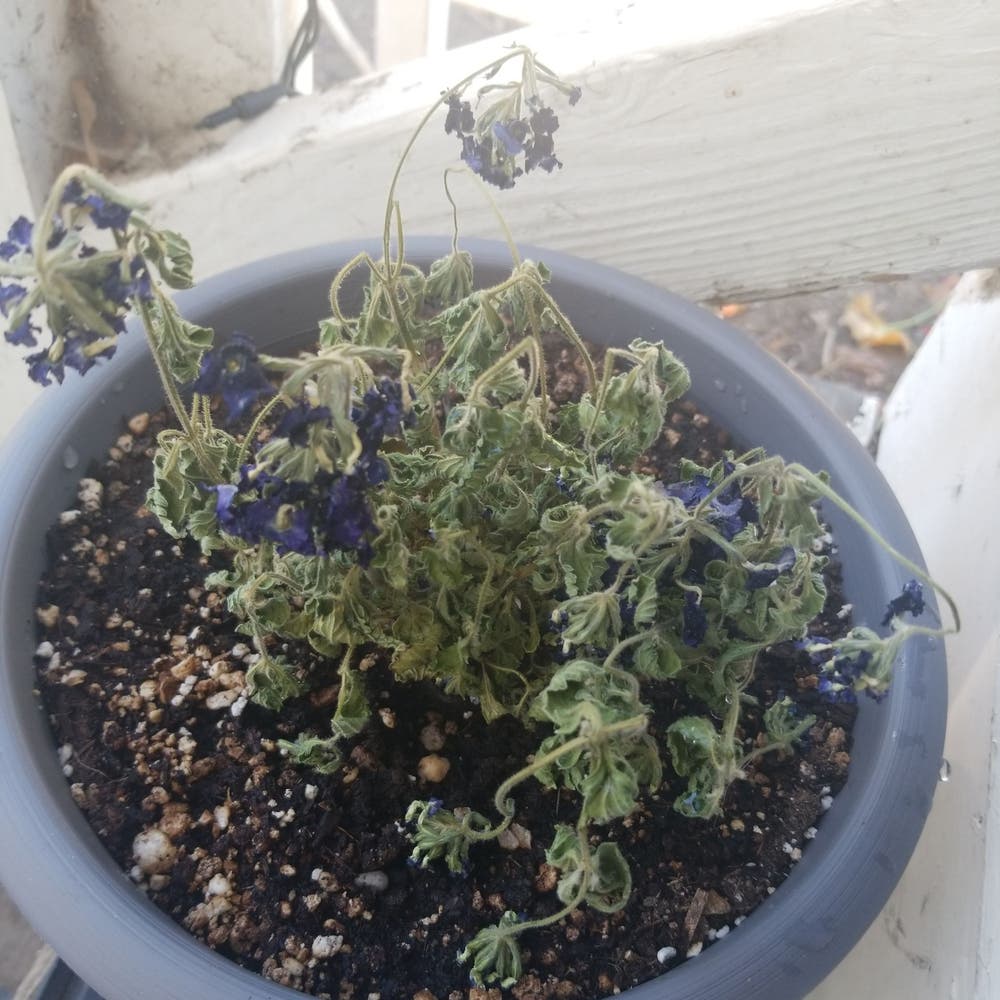
On the flip side, underwatering can lead to wilting and dry leaf edges. Regularly check the soil moisture to ensure your Blue Vervain is thriving and not suffering from neglect.
With proper watering techniques, your Blue Vervain will flourish, setting the stage for vibrant growth. Next, let’s explore common challenges and solutions to keep your plants healthy and resilient.
Common Challenges and Solutions
🐛 Pests and Diseases
Identification and Treatment
Blue vervain can face a few pesky pests, including aphids, spider mites, and whiteflies. Keeping an eye out for these invaders is crucial; they can quickly damage your plants if left unchecked.
To combat these pests, consider using neem oil or insecticidal soap. Both are effective and eco-friendly options. Additionally, introducing beneficial insects like ladybugs can help keep pest populations in check.
🌦️ Environmental Challenges
Adapting to Different Climates
Your blue vervain will thrive best when you adapt to its environmental needs. Using mulch is a smart strategy; it helps retain moisture and protects the roots during extreme temperatures.
Managing Soil Moisture Levels
Monitoring soil moisture is essential for healthy growth. Regularly check the soil and adjust your watering schedule based on recent weather conditions to ensure your plants receive just the right amount of moisture.
With these strategies in place, you'll be well-equipped to tackle common challenges and keep your blue vervain flourishing. Next, let’s explore seasonal care to ensure your plants thrive throughout the year.
Seasonal Care
🌱 Spring Care
Spring is the time to breathe new life into your blue vervain. Start with fertilizing to boost growth, followed by pruning to remove any dead or damaged stems.
☀️ Summer Care and Maintenance
As summer rolls in, focus on keeping your plants hydrated. Regular watering is essential, along with deadheading spent flowers to encourage more blooms and monitoring for pests.
🍂 Fall Preparation and Winterizing
When fall arrives, it's time to prepare your blue vervain for dormancy. Cut back spent stems and apply mulch to protect the roots during winter, ensuring a healthy resurgence in spring.
With these seasonal care tips, your blue vervain will thrive year-round, setting the stage for a vibrant garden. Next, let's explore common challenges and solutions to keep your plants healthy and flourishing.
⚠️ Safety First
This content is for general information and may contain errors, omissions, or outdated details. It is not medical, veterinary advice, or an endorsement of therapeutic claims.
Always consult a qualified healthcare professional before using any plant as food, medicine, or supplement.
Never eat any plant (or feed one to pets) without confirming its identity with at least two trusted sources.
If you suspect poisoning, call Poison Control (800) 222-1222, the Pet Poison Helpline (800) 213-6680, or your local emergency service immediately.
Spotted an error? Please report it here.
Unlock the secrets to thriving blue vervain 🌼 with Greg's tailored watering alerts and expert tips that will keep your plants flourishing all season long!