3 Winter Threats to Your Blue Vervain ❄️
Verbena hastata
By the Greg Editorial Team
Oct 15, 2024•4 min read
This article was created with the help of AI so we can cover more plants for you. May contain errors. See one? Report it here.
Unlock your blue vervain's winter potential 🌱 with essential care tips to ensure a vibrant spring revival!
- ❄️ Protect blue vervain from frost using frost cloths or burlap for survival.
- 🌱 Mulching with 3-4 inches insulates roots and prevents winter damage.
- 🌡️ Adjust watering to avoid over-saturation; check soil moisture weekly.
Winter Care Techniques
❄️ Frost Protection Methods
Protecting your blue vervain from frost is crucial for its survival. Covering plants with frost cloths or burlap can effectively shield them from harsh winter conditions.
Mulching is another simple yet effective method. Applying a 3-4 inch layer of organic mulch around the base of the plant insulates the roots, keeping them warm.
If your blue vervain is in a pot, consider its location. Moving pots to sheltered areas can significantly reduce frost exposure.
💧 Adjusting Watering Schedules
As winter sets in, it's essential to adjust your watering routine. Reducing watering frequency helps prevent over-saturation, which can harm your plants.
Before watering, always check the soil moisture. Allow the top inch to dry out to ensure your plant isn’t sitting in excess water.
Don't forget about drainage! Ensure that pots have drainage holes to avoid waterlogging, which can lead to root rot.
🌱 Fertilizing in Winter
During winter dormancy, it's best to avoid fertilizing your blue vervain. This prevents unnecessary new growth that won't survive the cold.
Once early spring arrives and new growth appears, it's time to resume fertilization. A balanced, slow-release fertilizer will support healthy growth as temperatures rise.
By following these winter care techniques, you can help your blue vervain thrive even in the coldest months. With the right protection and care, your plants will be ready to burst back to life come spring.
Indoor Winter Care
When to Bring Indoors 🌨️
Timing is crucial for your blue vervain. Bring your plants indoors before the first hard frost hits.
Keep an eye on weather forecasts, especially for temperatures dipping below 28°F (-2°C). This will help you avoid any frost damage.
Indoor Care Requirements 🏡
Light Conditions
Once indoors, place your blue vervain in a bright spot with indirect sunlight. This will help maintain its health during the winter months.
Watering Indoors 💧
Watering needs change in winter. Aim to keep the soil slightly moist and check it weekly to avoid overwatering.
Humidity Needs 🌬️
Humidity can drop indoors during winter. Consider using a humidity tray or misting your plants to keep moisture levels up.
By following these indoor care tips, your blue vervain will thrive even in the colder months. Next, let’s explore how to prepare for spring growth and ensure your plants bounce back beautifully.
Spring Preparation
Signs of Recovery from Winter Damage 🌱
As winter fades, keep an eye out for new shoots emerging from the soil. These indicators of health signal that your blue vervain is ready to thrive again.
Fresh foliage is another positive sign. Observing vibrant leaves as temperatures rise means your plant is gearing up for a season of growth.
Preparing for Spring Growth ✂️
Pruning is essential for encouraging new growth. Remove any dead or damaged stems to give your blue vervain the best chance to flourish.
Soil preparation is equally important. Check the soil quality and amend it if necessary to ensure your plant has the nutrients it needs for a successful spring planting.
With these steps, your blue vervain will be well on its way to a vibrant season ahead. Next, let's explore how to identify and address common winter problems that may arise.
Common Winter Problems
🌨️ Identifying frost damage
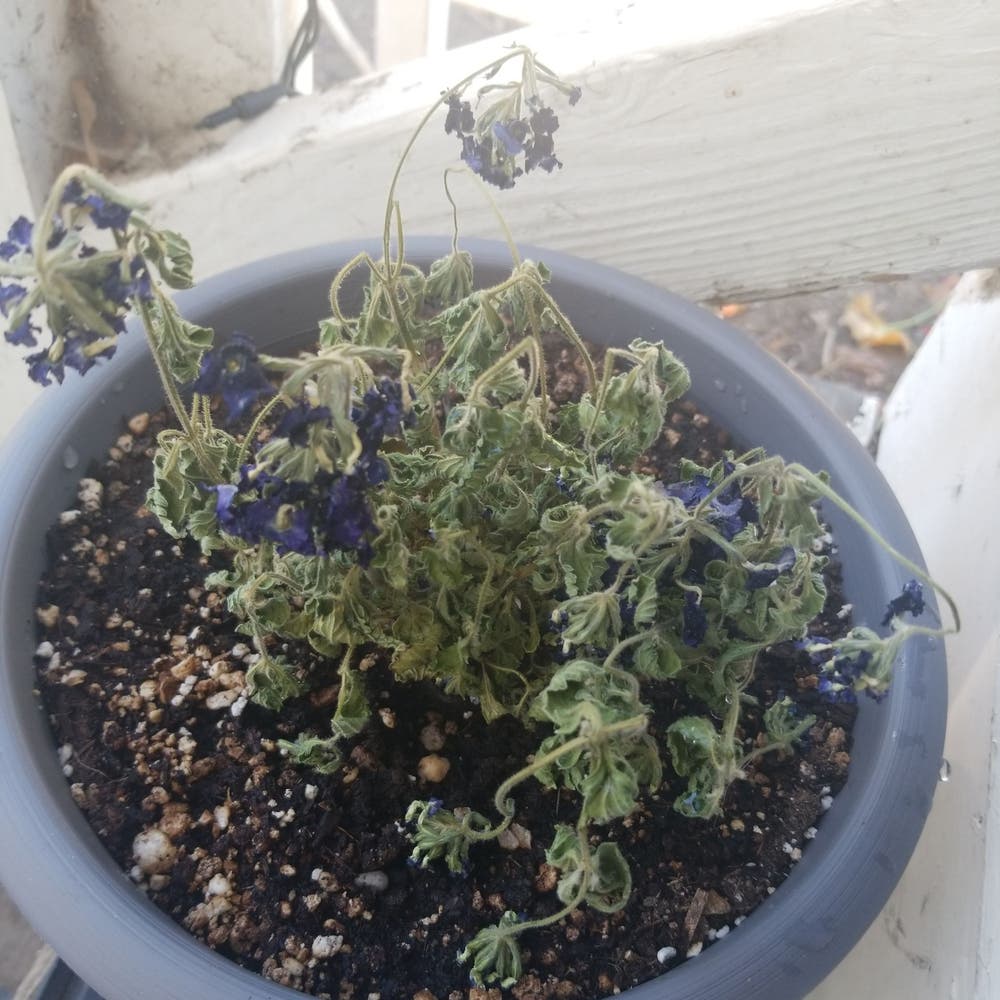
Frost damage can be a real concern for your blue vervain during winter. Look for symptoms like blackened or mushy stems and leaves, which indicate that the plant has been affected by cold temperatures.
Timing is crucial; frost damage often occurs after sudden temperature drops. Being vigilant during these cold snaps can help you catch issues early.
🛠️ Solutions for winter-related issues
If you notice frost damage, don’t panic. Trim the affected areas to promote healthy regrowth, allowing your plant to bounce back stronger.
Preventative measures are key. Implement frost protection strategies well in advance of cold snaps to safeguard your blue vervain and ensure it thrives through the winter months.
With these tips, you can tackle winter challenges head-on and keep your plants healthy. Next, let’s explore how to prepare for spring growth and ensure your blue vervain is ready to flourish.
⚠️ Safety First
This content is for general information and may contain errors, omissions, or outdated details. It is not medical, veterinary advice, or an endorsement of therapeutic claims.
Always consult a qualified healthcare professional before using any plant as food, medicine, or supplement.
Never eat any plant (or feed one to pets) without confirming its identity with at least two trusted sources.
If you suspect poisoning, call Poison Control (800) 222-1222, the Pet Poison Helpline (800) 213-6680, or your local emergency service immediately.
Spotted an error? Please report it here.
Protect your blue vervain from winter's chill ❄️ with Greg's tailored care reminders, ensuring it thrives and bursts back to life in spring!