💧 How Often Do I Need to Water My Gerda Umbrella Plant?
Heptapleurum arboricola 'Gerda'
By the Greg Editorial Team
Mar 12, 2024•3 min read
This article was created with the help of AI so we can cover more plants for you. May contain errors. See one? Report it here.
Avoid the droop or swamp your Gerda Umbrella Plant 🌂—find its perfect watering sweet spot! 🌱
- Yellow or wrinkled leaves? Time to adjust watering.
- 🌡️ Environment dictates thirst - adjust with temperature and humidity.
- 🌱 Soil and pot choice matter for proper hydration.
When Thirst Strikes: Decoding Your Plant's Water Needs
💧 Spot the Signs
Yellow leaves are the caution lights telling you your Gerda Umbrella Plant might be swimming in too much H2O. On the other hand, wrinkled leaves are a cry for water. Wilting? It's your plant's way of saying it's either too thirsty or too soggy. To be sure, feel the soil. Dry and lifeless? Water time. Soggy like a wet sponge? Hold off on the watering can.
💦 The Role of Environment
Your home's environment is like a backstage crew for your plant's watering needs. Hotter temperatures mean your plant's roots are chugging water faster, so you'll need to water more often. Cooler temperatures or high humidity, and you can ease up on the hydration. Always keep an eye out for the silent signals your plant is sending about its water needs. If it's dropping leaves, it's time to rethink your watering strategy.
Perfecting the Pour: Watering Techniques for Your Gerda Umbrella Plant
💧 It's All About Balance
To water your Gerda Umbrella Plant effectively, you need to strike a balance. Too much water leads to a soggy mess, while too little leaves your plant parched. Check the soil before watering—dryness at an inch depth is your cue to grab the watering can.
🚿 The Art of the Soak
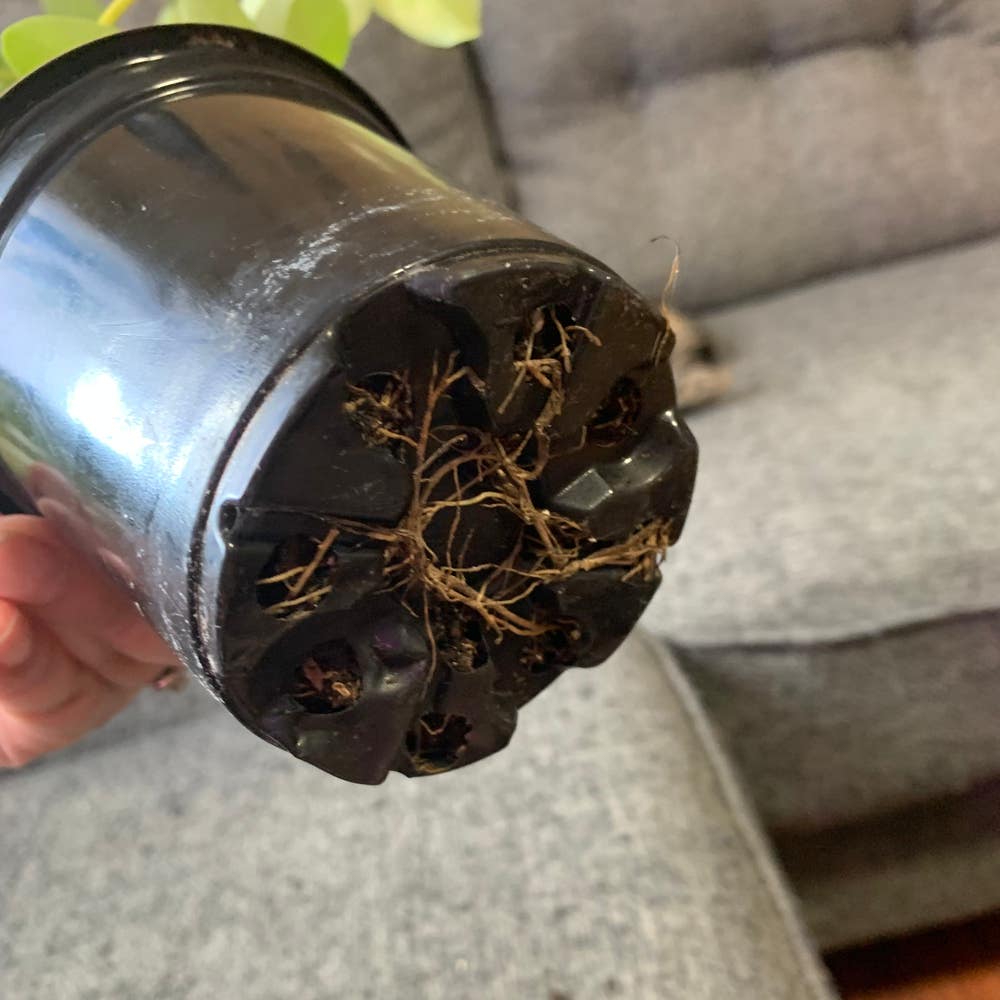
When it's time to water, aim for a thorough soak-and-drain method. Pour until water escapes freely from the drainage holes, then allow the pot to drain completely. This mimics natural rainfall, giving roots the moisture they need without the risk of rot. Remember, a well-draining pot is as crucial as the watering itself.
The Dynamic Duo: Soil and Pot Partnerships
🌱 Choosing the Right Soil Mix
Selecting a soil mix for your Gerda Umbrella Plant is akin to crafting a bespoke cocktail; it's all about the right ingredients. Well-draining soil is non-negotiable. Mix in perlite or coarse sand to ensure your plant's roots can breathe easy, avoiding the dreaded root rot. Think of it as setting up a plush yet practical mattress for your plant's roots.
🏺 Picking the Perfect Pot
The quest for the perfect pot is like hunting for that elusive parking spot in the city—it needs to be just the right size. Terracotta pots are the MVPs here, offering breathability that plastic just can't match. Ensure there's a drainage hole to prevent water from crashing at the bottom like an unwanted house guest. It's about giving your plant a home that's cozy but not clingy, allowing you to water with confidence and not a calendar.
Seasonal Sips: Adjusting Watering with the Calendar
🌞 Summer Soaking Strategy
In the summer, your Gerda Umbrella Plant's thirst will spike with the mercury. Heat intensifies evaporation, leaving your plant's soil dryer, faster. This means you'll be watering more often, but how much more depends on your specific environment. A good rule of thumb is to check the soil moisture regularly. If the top inch is dry, it's time to water. Remember, your plant is in growth mode, so don't let it go thirsty.
❄️ Winter Water Wisdom
Come winter, your plant's metabolism slows down, mirroring the hibernation of the world outside. This doesn't mean your watering can should collect dust, but it does mean you'll be using it less. The goal is to avoid root rot, which is a real risk when the plant isn't using as much water. Before you water, ensure the soil is mostly dry. If in doubt, wait it out. Your plant will thank you for not drowning its roots in the chillier months.
⚠️ Safety First
This content is for general information and may contain errors, omissions, or outdated details. It is not medical, veterinary advice, or an endorsement of therapeutic claims.
Always consult a qualified healthcare professional before using any plant as food, medicine, or supplement.
Never eat any plant (or feed one to pets) without confirming its identity with at least two trusted sources.
If you suspect poisoning, call Poison Control (800) 222-1222, the Pet Poison Helpline (800) 213-6680, or your local emergency service immediately.
Spotted an error? Please report it here.
Avoid the guesswork and keep your Gerda Umbrella Plant thriving 🌿 with Greg's custom watering reminders tailored to your home's unique conditions.