Common Gerda Umbrella Plant Problems
Heptapleurum arboricola 'Gerda'
By the Greg Editorial Team
Mar 12, 2024•4 min read
This article was created with the help of AI so we can cover more plants for you. May contain errors. See one? Report it here.
Nurture a lush Gerda Umbrella Plant 🌿 by dodging common pitfalls with these essential care tips.
- Over-watering causes root rot; stop if soil is sponge-wet.
- Bright, indirect light is key; shield from harsh midday sun.
- Stable conditions prevent stress; avoid drafts and temperature swings.
Water Woes: Too Much or Too Little
🌊 Over-watering and Root Rot
Yellow leaves and soggy soil are your Gerda Umbrella Plant's way of saying, "Help, I'm drowning!" Over-watering is a common misstep that can lead to root rot, a nasty condition that can be fatal if not addressed promptly.
- Stop watering immediately if the soil feels like a wet sponge.
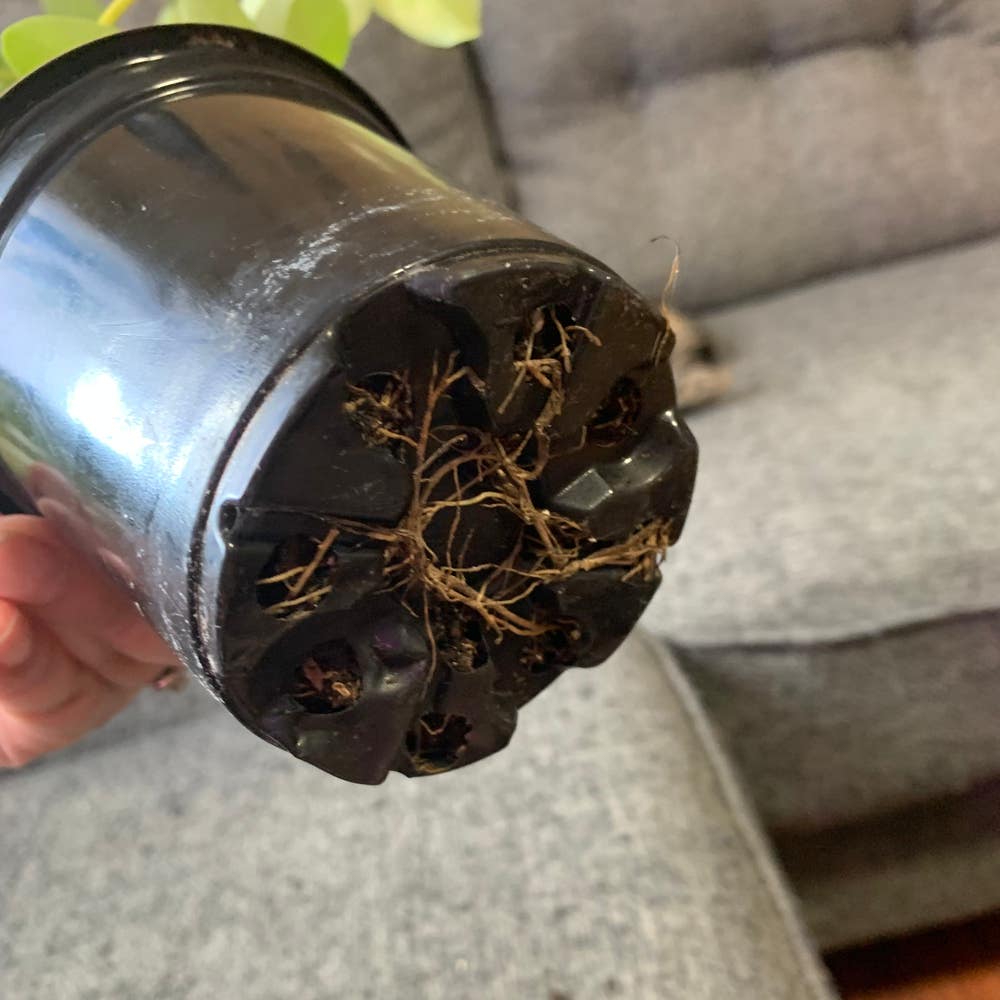
- Inspect the roots: Soft, brown, and mushy? It's time for some plant surgery.
- Trim the damaged roots carefully, and repot in fresh, well-draining soil.
- Adjust your watering habits: Let the top inch of soil dry out before giving your plant another drink.
🏜️ Under-watering
Crispy leaves and a wilted demeanor are your plant's way of saying, "I'm parched!" Under-watering can stress your Gerda Umbrella Plant, leaving it dehydrated and unhappy.
- Check the soil: Bone-dry? Time to quench that thirst.
- Water deeply, ensuring the moisture reaches the roots, not just the surface.
- Establish a consistent watering schedule, but don't overdo it; your plant isn't looking for a pool party.
- Observe the response: Leaves perking up after watering? You've hit the sweet spot.
Light and Temperature: The Balancing Act
🌞 Irregular Light Exposure
Your Gerda Umbrella Plant's leaves are pale or it's getting leggy? That's a cry for more light. But not just any light—bright, indirect light. It's like the plant's version of a perfect latte, strong but not scalding.
💫 Let there be (the right amount of) light
Rotate your plant regularly to prevent a lopsided look. Keep it in a spot that's consistently lit throughout the day, but shielded from the harsh midday sun. Think of it as finding a prime parking spot that's always in the shade.
🌡️ Temperature Tantrums
Leaves curling or browning? Your plant might be throwing a temperature tantrum. It's not being dramatic; it just prefers a steady climate.
🛋 Keeping it cozy
Aim for a stable temperature between 65°F and 80°F. Keep your plant away from drafts and vents—they're the nemesis of your leafy friend's comfort zone. It's like maintaining the perfect room temperature for a nap—consistently cozy.
Uninvited Guests: Pests and Mold
🐛 Pests
Identifying Common Pests
Aphids, mealybugs, and spider mites are the usual suspects when it comes to pests on your Gerda Umbrella Plant. These tiny invaders leave behind a sticky residue known as honeydew, signaling their unwelcome presence. Look for misshapen, yellowing leaves as a distress signal from your plant.
Pest Control
To tackle these critters, natural remedies like neem oil or insecticidal soap can be effective. For a more hands-off approach, consider introducing beneficial insects that prey on these pests. Chemical treatments are available but should be used as a last resort to minimize environmental impact.
🍄 Mold and Fungus
Recognizing Mold and Fungal Issues
Mold and fungus are stealthy, thriving in damp conditions. If you spot a powdery or fuzzy coating on your plant, it's time to spring into action. Mold on the soil surface or discolored patches on leaves are clear indicators that your plant is under fungal attack.
Mold Mitigation and Prevention
To combat mold, improve air circulation and keep foliage dry. Scoop out visible mold from the soil and consider using a fungicide if the situation demands it. Prevention is paramount; maintain a clean environment and avoid overwatering to deter future fungal fiestas.
Environmental Stress: Leaf Scorching and Drafts
🌞 Leaf Scorching
Burn notice: If your Gerda Umbrella Plant's leaves look like they've had a rough day at the beach, it's time to reassess its sunbathing habits. Scorched leaves are often crisp, with browned edges or patches, signaling that your plant has received more light than it can handle.
Shade and shelter: To prevent your plant from turning into a leafy crisp, move it to a spot where it can enjoy indirect sunlight. If relocation isn't an option, consider using a sheer curtain or shade cloth to diffuse those harsh rays.
🌬️ Drafts and Sudden Temperature Changes
The draft effect: Your plant despises drafts as much as cats hate water. Keep an eye out for leaves that seem rattled, curling as if trying to escape an unseen menace. This could be a sign that your plant is caught in a draft or experiencing temperature swings.
A stable home: Ensure consistent growing conditions by placing your plant away from open windows, doors, and air conditioning vents. If you're comfortable in the room, chances are your Gerda Umbrella Plant is too. Remember, stability is the secret sauce for plant contentment.
⚠️ Safety First
This content is for general information and may contain errors, omissions, or outdated details. It is not medical, veterinary advice, or an endorsement of therapeutic claims.
Always consult a qualified healthcare professional before using any plant as food, medicine, or supplement.
Never eat any plant (or feed one to pets) without confirming its identity with at least two trusted sources.
If you suspect poisoning, call Poison Control (800) 222-1222, the Pet Poison Helpline (800) 213-6680, or your local emergency service immediately.
Spotted an error? Please report it here.
Avoid the common pitfalls of plant care and ensure your Gerda Umbrella Plant remains resilient 🛡️ with Greg's personalized reminders for watering, light, and temperature control.