Why Are My Gerda Umbrella Plant Leaves Mushy? 💧
Heptapleurum arboricola 'Gerda'
By the Greg Editorial Team
Mar 12, 2024•4 min read
This article was created with the help of AI so we can cover more plants for you. May contain errors. See one? Report it here.
Prevent mushy leaves and root rot in your Gerda Umbrella Plant with these essential care tips! 🌿💦
- 🚱 Overwatering leads to mushy leaves; let top soil dry out first.
- 🌱 Root rot signs: mushy roots, foul odor. Repot with well-draining soil.
- 🍄 Fungal infections: discoloration, musty smell. Use fungicide or natural remedies.
Spotting the Trouble: Signs Your Gerda Umbrella Plant is Unhappy
💦 Overwatering and Its Telltale Signs
Soggy soil is your first clue. It's the kind of wet that clings to your fingers, signaling you've been a tad too generous with the watering can. This moisture mishap leads to yellowing leaves, a visual alarm that your plant is in distress.
🌱 When Roots Suffer: Recognizing Root Rot
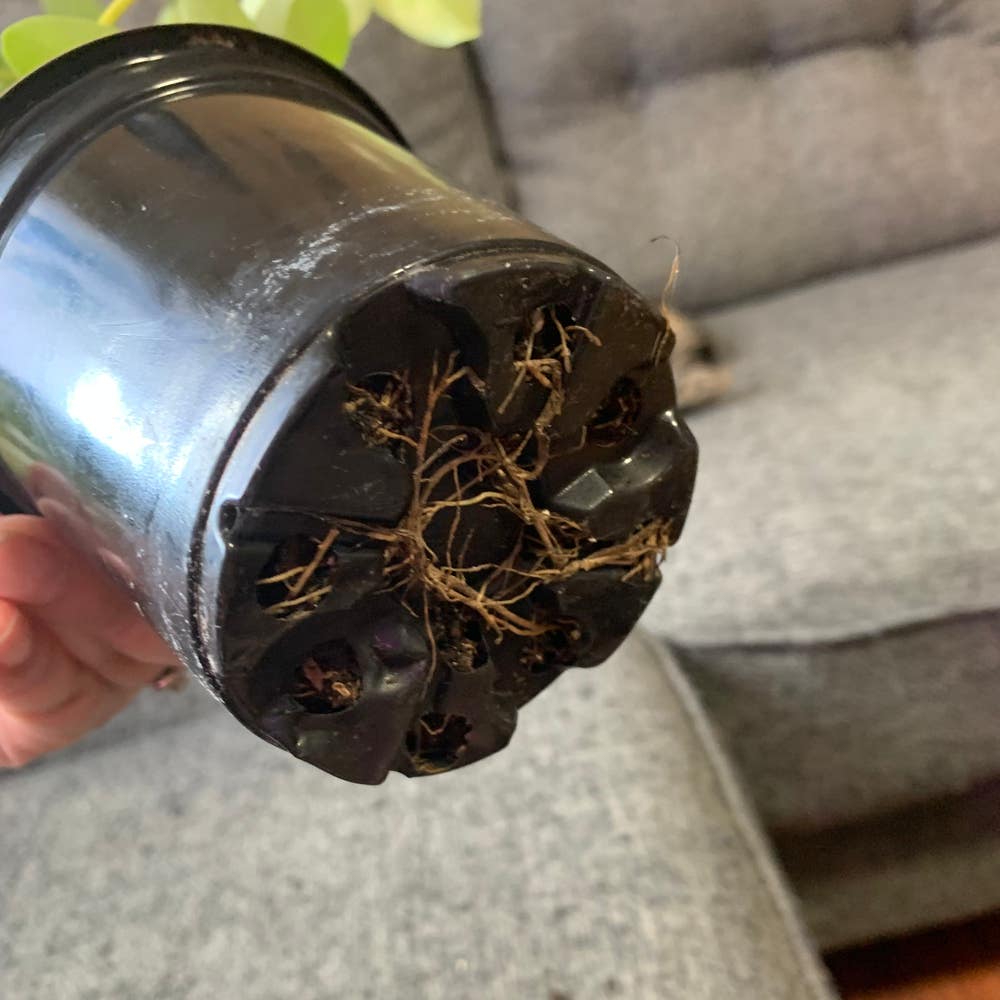
Dive below the surface and you might find roots that have turned to a mushy mess. Often accompanied by a foul odor, this is the grim reaper of plant health known as root rot. Above ground, the leaves become limp and lifeless, a domino effect from the turmoil beneath the soil.
First Aid for Your Plant: Turning Mushy Leaves Around
💧 Cutting Back on H2O: Watering Wisely
Soil moisture is your plant's mood ring. Before you water, do the touch test—if it's damp, step away from the watering can. For the Gerda Umbrella Plant, the golden rule is to let the top inch of soil dry out completely. Trust me, your plant will thank you for not treating it like it's living in a swamp.
🌱 Root Rehab: Inspecting and Repotting
Time to play detective with your plant's roots. Gently lift your plant and check for root rot—dark, mushy roots are a red flag. If you find any, it's time for surgery. Snip the bad parts with sterilized scissors; think of it as a trim for better growth. Repot in fresh, well-draining soil and resist the urge to water immediately. Give it a moment to breathe and settle in its new digs.
Fungus Among Us: Dealing with Fungal Foes
🍄 Identifying Fungal Culprits
Fungal infections are stealth bombers in the plant world, often going unnoticed until it's too late. Discoloration or powdery spots on your Gerda Umbrella Plant's leaves are red flags. Fuzzy growths or a musty smell from the soil are also clear indicators that fungi have gatecrashed your plant party. Regular plant check-ups are your best defense against these uninvited guests.
🦠 Kicking Fungus to the Curb
When it comes to fungal infections, immediate action is key. Start by removing all affected leaves to prevent further spread. Sanitize your tools before and after to avoid giving the fungus a free ride to other plants. For chemical warfare, select a fungicide that's tough on fungi but gentle on plants. Read the label carefully and apply as directed, ensuring you cover all areas of the plant. In the realm of natural remedies, neem oil and baking soda solutions are the unsung heroes, providing a more eco-friendly line of defense. Remember, prevention beats cure every time. Keep the air moving around your plants and avoid leaving foliage wet to discourage fungal freeloaders.
Keeping Leaves Lush: Prevention Strategies
💧 Mastering the Art of Watering
Watering your Gerda Umbrella Plant is less about sticking to a strict schedule and more about observing and responding to its needs. Test the soil moisture by sticking your finger an inch deep; if it's dry, it's time to water. This simple tactic prevents overzealous watering, which is practically an invitation for mushy leaves.
Drainage is critical. Ensure your plant's pot has adequate holes to let excess water escape. It's like making sure your bathtub doesn't overflow—nobody wants a flooded bathroom, and no plant wants soggy roots.
🌱 Soil and Surroundings: Creating the Ideal Environment
Selecting the right soil mix is crucial; aim for a blend that's the life of the party for roots, offering both support and space to breathe. Well-draining soil with a mix of perlite or coarse sand is your ticket to avoiding water retention.
Humidity and airflow management can be a game-changer. Keep the air around your plant moving; a stagnant environment is like a stagnant conversation—nobody enjoys it, and it can lead to unwanted outcomes, like fungal growth. Use a fan or open a window to keep the air fresh and the leaves happy.
⚠️ Safety First
This content is for general information and may contain errors, omissions, or outdated details. It is not medical, veterinary advice, or an endorsement of therapeutic claims.
Always consult a qualified healthcare professional before using any plant as food, medicine, or supplement.
Never eat any plant (or feed one to pets) without confirming its identity with at least two trusted sources.
If you suspect poisoning, call Poison Control (800) 222-1222, the Pet Poison Helpline (800) 213-6680, or your local emergency service immediately.
Spotted an error? Please report it here.
Keep your Gerda Umbrella Plant's leaves firm and healthy 🌿 with Greg's soil moisture tracking and tailored watering reminders, preventing overwatering and root rot with ease.