Diagnosing Gerda Umbrella Plant Root Rot
Heptapleurum arboricola 'Gerda'
By the Greg Editorial Team
Mar 12, 2024•4 min read
This article was created with the help of AI so we can cover more plants for you. May contain errors. See one? Report it here.
Stop root rot 🚫 in its tracks and keep your Gerda thriving with these early detection tips! 🌿
- 🍂 Yellow leaves and foul odors signal early root rot in Gerda Umbrella Plants.
- 🔍 Inspect roots for softness and brown color to confirm root rot.
- 🌱 Prevent with balanced watering, well-draining soil, and regular checks.
Spotting Trouble: Early Signs of Root Rot in Your Gerda
🍂 Leafy Telltales: Yellowing, Wilting, and Browning
When your Gerda Umbrella Plant starts sporting yellow leaves, it's not trying to keep up with autumn trends. Wilting and browning are the plant's way of waving a distress flag. If the greenery is more slump than perk, it's time to perk up your attention to detail.
👃 Sniff Test: Detecting Foul Odors and Mushy Roots
Trust your nose—if the soil around your Gerda smells like it's plotting a fungal uprising, that's your cue to get concerned. Foul odors are the silent but deadly signal of root rot. And if the roots feel like they've been through a spa day from hell, all mushy and soft, it's time to switch to rescue mode.
🕵️ Soil Sleuthing: Looking for Mold and Other Clues
Don't be fooled by a seemingly calm soil surface; danger often lurks below. Mold or a suspicious fuzz is like finding a 'Beware of the Dog' sign in your plant's personal space. If the soil clings to your fingers like a bad habit, ease up on the watering can. It's all about playing detective with a green thumb.
Getting to the Root of It: How to Confirm Root Rot
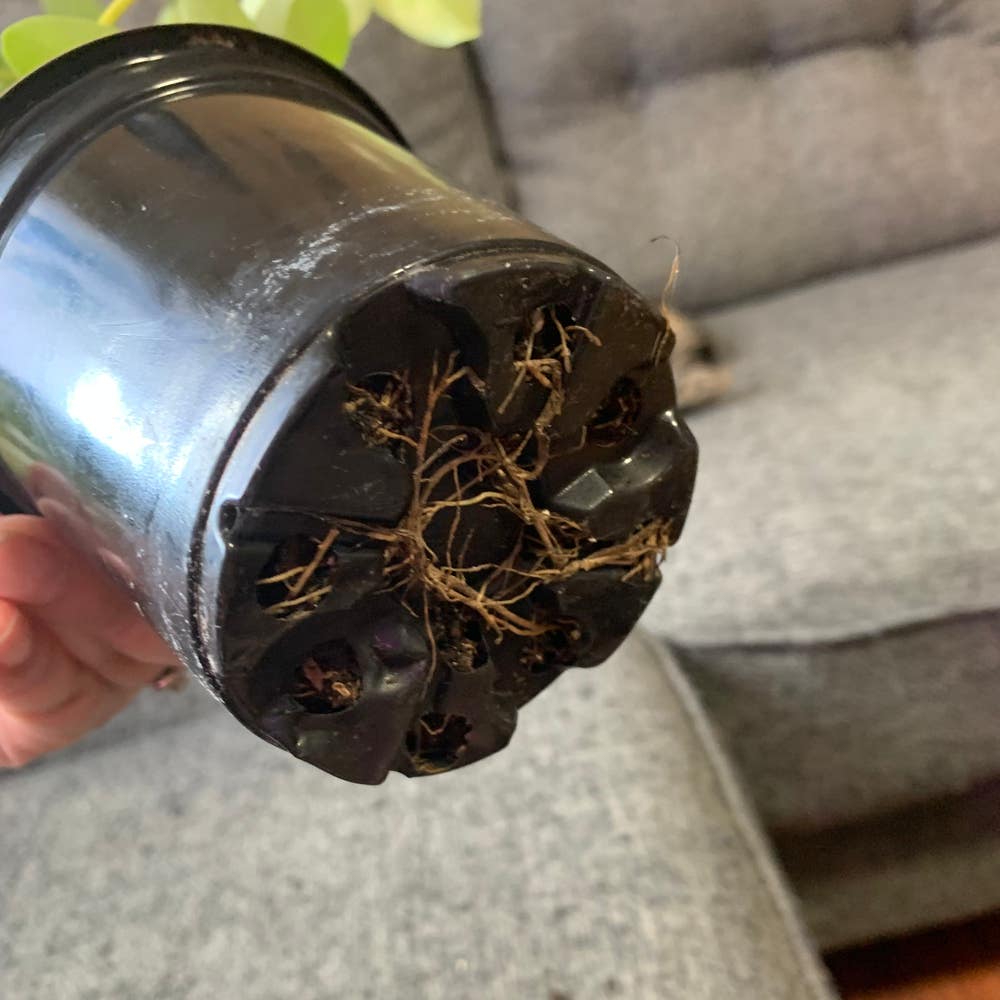
🕵️♂️ Unearthing the Truth: Inspecting the Roots
Root inspections are the gold standard for diagnosing root rot. Gently remove your Gerda from its pot and brush away the soil for a clear view. Healthy roots are firm and white, while rotten roots are typically soft, brown, and may even disintegrate to the touch. If the roots look like they've seen better days, you're likely dealing with root rot.
Root Rot vs. Overwatering: Knowing the Difference
Overwatering and root rot can seem like evil twins, but there's a way to tell them apart. If roots are dark yet brittle, you might just be overdoing the hydration. Conversely, if they're mushy and the soil smells like a swamp, root rot is the culprit. Adjust your watering habits accordingly—let the soil dry out a bit between waterings, and make sure your pot has proper drainage. Remember, your Gerda isn't a fish; it doesn't need to swim.
Saving Your Gerda: Effective Treatment Strategies
🌱 Surgical Precision: Pruning the Damaged Roots
Sterilize your pruning tools before and after each cut to prevent spreading disease. Snip the damaged roots right where they meet the healthy tissue. Be cautious not to over-prune; you're a surgeon, not a barber. After removing the rotted parts, a fungicide can act as a shield for the remaining roots. Monitor the plant's recovery diligently; it's about long-term health, not just a quick fix.
🌿 Fresh Start: Repotting with Care
Choose a new pot with ample drainage holes to prevent future waterlogging. When repotting, handle your Gerda with the care of a newborn. Use a fresh, well-draining potting mix to give your plant a clean slate. Trim away any remaining soggy roots, and remember, cleanliness is next to plant-godliness.
💧 Water Wisely: Adjusting Your Watering Routine
Craft a watering schedule that allows the soil to dry between waterings. This isn't a guessing game; check the soil moisture with your finger. If it clings to your skin, hold off on the water. Adjust your routine as your plant recovers, because overwatering is a surefire way to end up back at square one. Remember, when it comes to watering, sometimes less is more.
Keeping Root Rot at Bay: Prevention Tips
💧 Watering Wisdom: Finding the Right Balance
Watering your Gerda Umbrella Plant is like updating software—it needs to happen, but timing is everything. Wait until the top inch of soil is dry before you water. Use a moisture meter if you're unsure; it's like a plant's thirst-o-meter. Overwatering is a no-go—it's the express lane to root rot city.
🌱 Drainage and Soil: Setting Up for Success
Your plant's soil should be like a good mattress—supportive but breathable. Mix in perlite or sand to keep it airy. A pot with drainage holes isn't a suggestion; it's essential. Terracotta pots are MVPs here, letting soil breathe and excess moisture escape like a well-ventilated sneaker.
👀 Vigilant Care: Regular Checks and Maintenance
Regular checks on your Gerda are like scrolling through your social feeds—stay updated on its health. Rotate the pot for even growth and keep an eye out for pests—they're like party crashers. Clean up fallen leaves and debris; they're just asking for trouble. Adjust your care with the seasons—plants have different needs when it's hot or cold, just like you swap out shorts for sweaters.
⚠️ Safety First
This content is for general information and may contain errors, omissions, or outdated details. It is not medical, veterinary advice, or an endorsement of therapeutic claims.
Always consult a qualified healthcare professional before using any plant as food, medicine, or supplement.
Never eat any plant (or feed one to pets) without confirming its identity with at least two trusted sources.
If you suspect poisoning, call Poison Control (800) 222-1222, the Pet Poison Helpline (800) 213-6680, or your local emergency service immediately.
Spotted an error? Please report it here.
Prevent root rot 🛡️ in your Gerda Umbrella Plant by using Greg to tailor a watering plan that keeps the roots healthy, as guided by the tips in this article.