How Often Should I Water My Anoectochilus lylei?
Anoectochilus lylei
By the Greg Editorial Team
Apr 17, 2024•5 min read
This article was created with the help of AI so we can cover more plants for you. May contain errors. See one? Report it here.
- Lush leaves and moist soil signal proper watering of Jewel Orchids.
- Adjust water for seasons: more in growth, less in dormancy.
- Top-down vs. bottom watering: Choose for health and root growth.
Spot the Signs: Is Your Jewel Orchid Thirsty or Drowning?
🌿 Visual cues of a well-watered plant
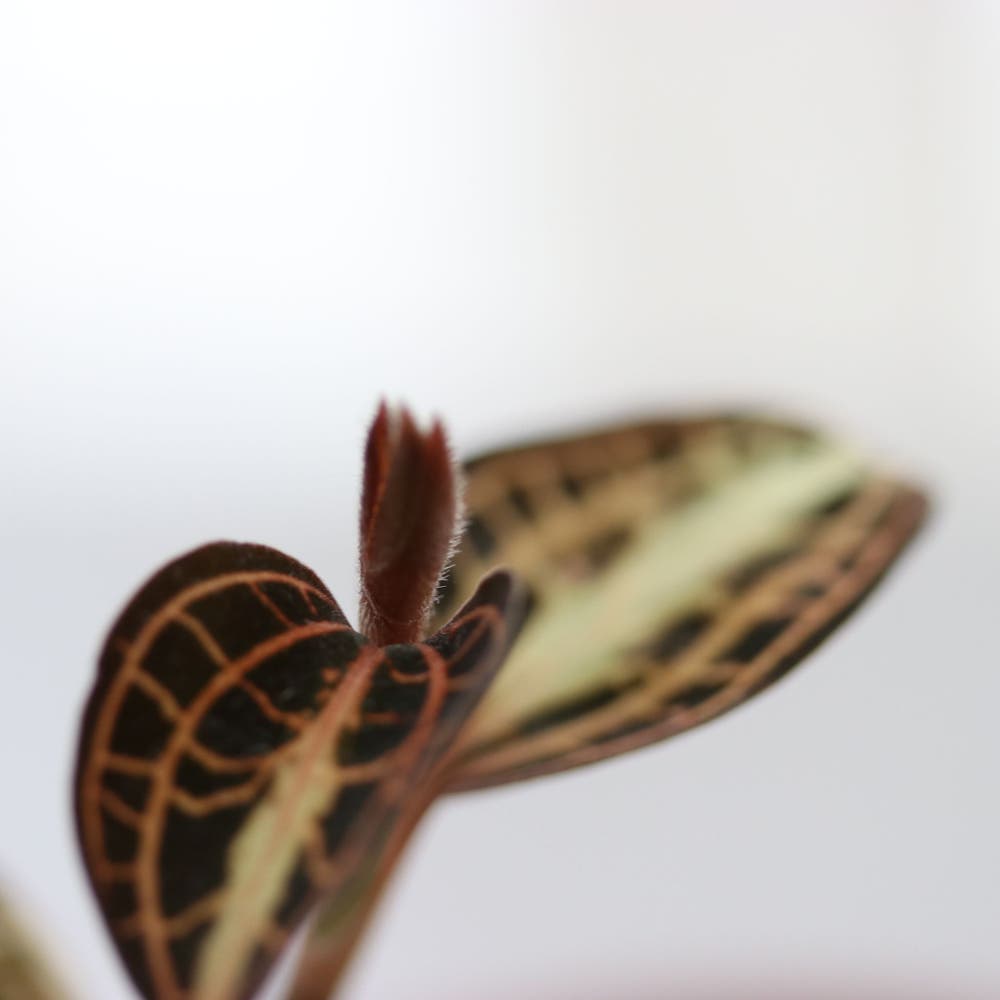
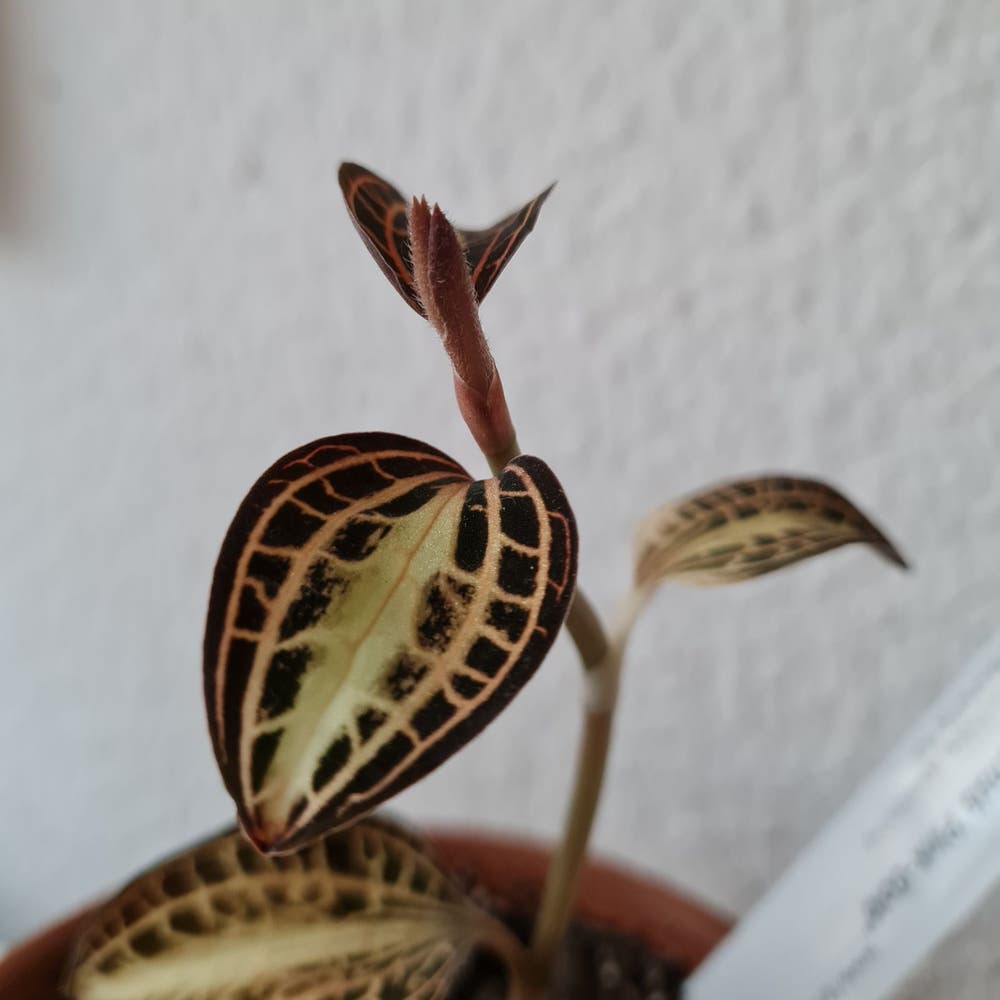
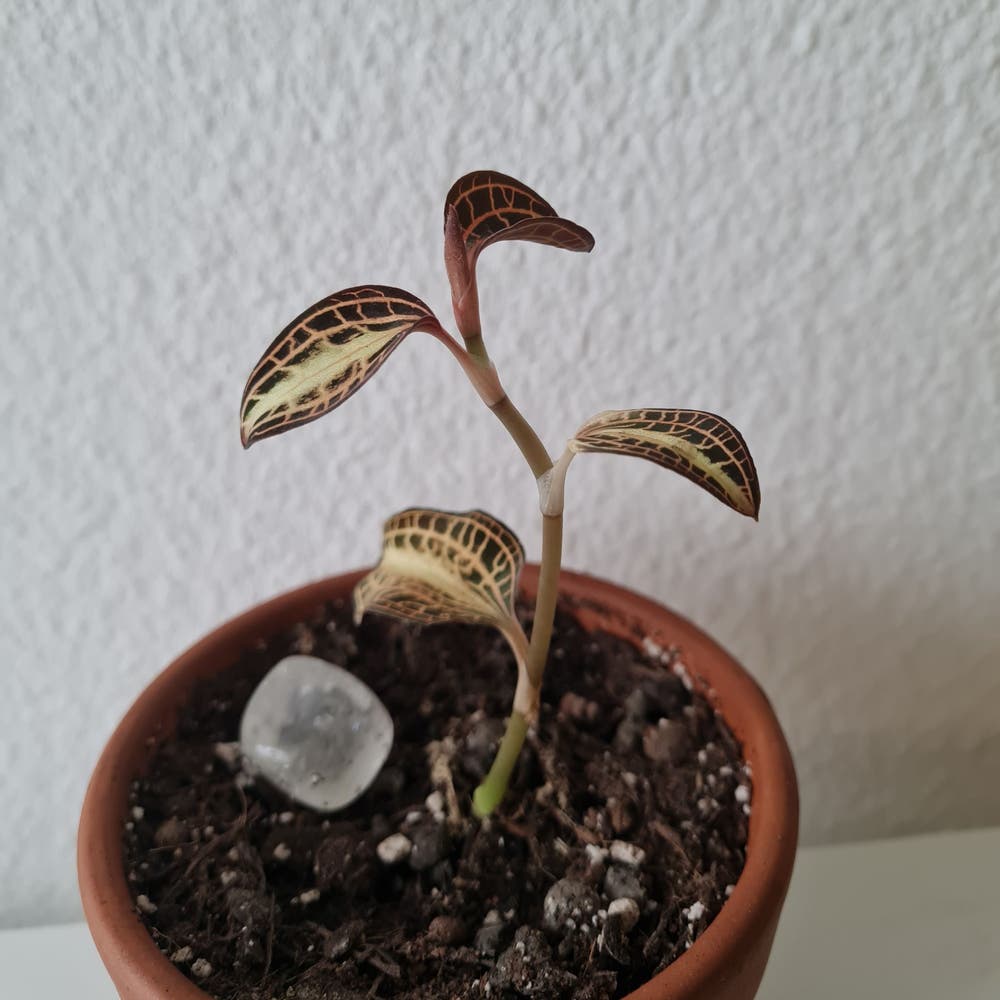
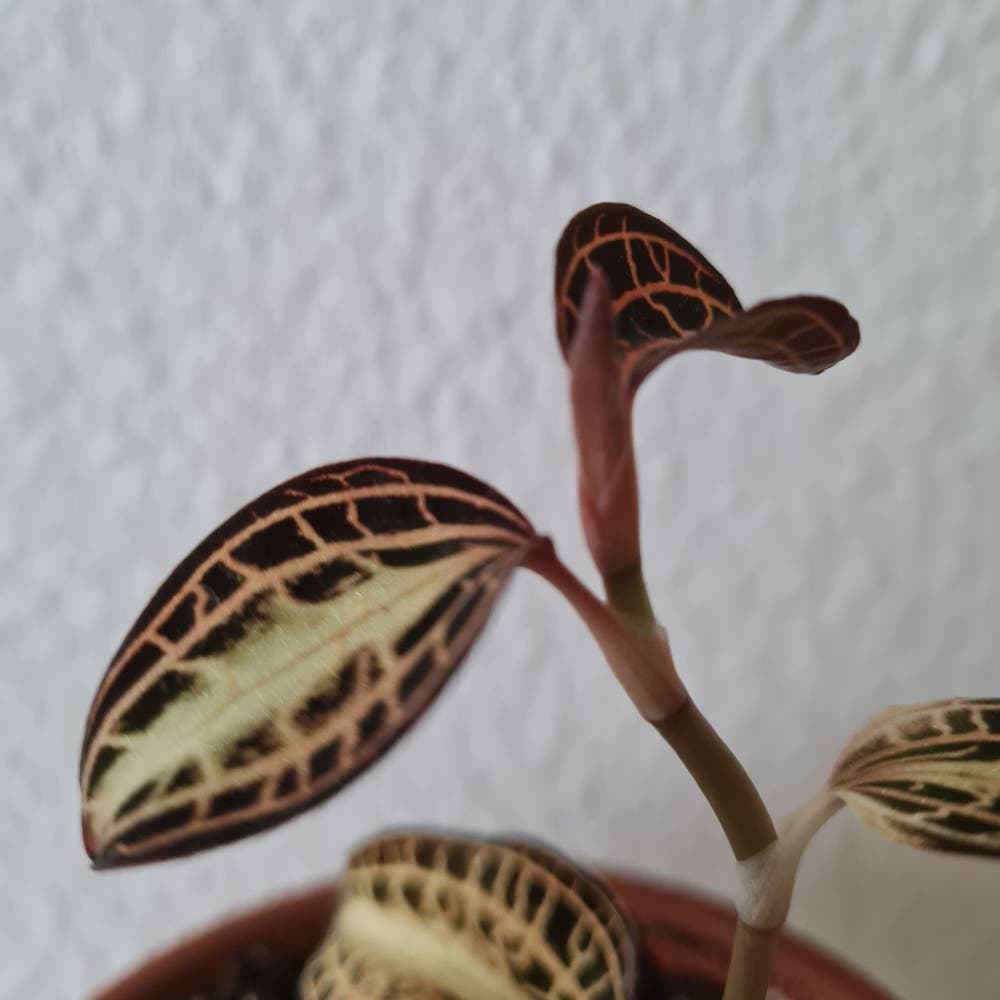
Lush and firm leaves are your Anoectochilus lylei's way of giving you a thumbs up. A well-watered Jewel Orchid boasts a vibrant color palette, with no unsightly spots or blemishes. If the pot feels like it's got some heft to it, and the soil has that just-right moistness—not too wet, not too dry—you're on the money.
🖐️ Tactile tests for soil moisture
Don't just eyeball it; get hands-on. The classic finger dip test is your go-to move. Plunge your finger about an inch into the soil—if it feels like a damp sponge, you're golden. If it's sticking to your finger like an overly attached friend, hold off on the water. And if it's as dry as a desert, it's time to hydrate. For the tech-savvy, a moisture meter can be your secret weapon, offering a digital readout that takes the guesswork out of the equation.
🌱 What your plant's leaves are telling you
Leaves don't lie. Droopy, sad leaves are broadcasting "I need a drink!" while yellowing leaves might be whispering "Ease up on the waterworks." If they're crisp to the touch, your orchid's been neglected on the hydration front. Conversely, if the leaves feel softer than your favorite plush toy, it's a sign of overindulgence. Keep an eye out for these telltale signs and adjust your watering routine accordingly. Remember, your Jewel Orchid's needs can change with the seasons, so stay alert and responsive to its signals.
Crafting Your Watering Strategy
💡 Assessing your environment: light, humidity, and temperature
Light, humidity, and temperature aren't just weather report fillers—they're the trifecta of a thriving Anoectochilus lylei. Bright, indirect light is like a secret handshake for these jewel orchids. Too much sun? Think crispy leaves. Not enough? Say hello to lethargy. Humidity is another big player. Your plant dreams of tropical vibes, so if your home's drier than a stand-up comedian's wit, it's time to up the ante. Temperature swings are mood killers; aim for steady, warm conditions to keep your orchid from throwing a fit.
🍽️ The role of pot size and potting mix
Pot size and potting mix are the unsung heroes of hydration. Small pots dry out faster than a gossip in a small town, so keep an eye on them. Large ones hold moisture like a sponge, which can be a double-edged sword. Your potting mix should be well-draining yet moisture-retentive; think of it as the perfect mattress for your orchid's roots—supportive but not suffocating.
🌞 Seasonal shifts: adjusting for growth and dormancy
Seasons change, and so should your watering game. During the growth season, your Anoectochilus lylei is like a teenager—always hungry and thirsty. Come winter, it's more like a hibernating bear, so ease up on the water. Remember, your jewel orchid isn't trying to win a drinking contest; it's all about balance. Keep an eye out for growth cues and adjust your watering strategy like you're tuning an instrument—carefully and with attention to detail.
Watering Techniques: From Top to Bottom
💧 The traditional top-down approach
Top-down watering: it's the go-to for many, and for good reason. Precision is the game here. Using a watering can or pitcher, aim directly at the soil, avoiding the leaves to prevent fungal issues. Pour slowly, watch for the first signs of drainage, then stop. It's like a targeted hydration mission for your Anoectochilus lylei, ensuring the water hits right where it's needed without turning the pot into a mini swimming pool.
💦 Exploring the benefits of bottom watering for Anoectochilus lylei
Bottom watering is the plant world's version of a self-serve buffet. Simply pour water into a tray and let the orchid's roots drink their fill. It encourages deep, robust root growth and prevents the soil from becoming too compacted. Plus, it's a solid strategy for keeping those top layers dry, thwarting any gnats looking to set up camp. Remember, though, to occasionally water from the top to flush out accumulated salts. It's all about finding that sweet spot between the two methods.
Troubleshooting: Common Watering Missteps
💦 Overwatering Woes and How to Avoid Them
Overwatering is like giving your plants an eternal rainstorm. It's a one-way ticket to root rot city. To avoid this, water only when the top inch of soil feels dry. If you're unsure, wait a day. It's better to be a tad late than to drown your plant in enthusiasm.
🏜️ The Risks of Underwatering and Inconsistency
Conversely, underwatering turns your plant's life into a drought saga. Signs include wilting and a parched look. The fix? Don't just flood to compensate. Gradually increase watering to rehydrate without shocking the system. Consistency is key; erratic watering confuses plants more than a chameleon in a bag of skittles.
🚑 Quick Fixes for Common Watering Errors
Caught in a watering blunder? Here's the lifeline. For overwatered plants, let the soil dry out a bit before the next watering. If you've been stingy with water, don't just pour your guilt into the pot. Increase frequency gently. And if you're swinging between extremes, get a moisture meter. It's like a hydration therapist for your green buddies.
⚠️ Safety First
This content is for general information and may contain errors, omissions, or outdated details. It is not medical, veterinary advice, or an endorsement of therapeutic claims.
Always consult a qualified healthcare professional before using any plant as food, medicine, or supplement.
Never eat any plant (or feed one to pets) without confirming its identity with at least two trusted sources.
If you suspect poisoning, call Poison Control (800) 222-1222, the Pet Poison Helpline (800) 213-6680, or your local emergency service immediately.
Spotted an error? Please report it here.
Ensure your Anoectochilus lylei stays lush and vibrant 🌱 with Greg's personalized reminders that consider pot size, season, and your home's environment for optimal watering.