Why Are There Black Spots on My Anoectochilus lylei Leaves?
Anoectochilus lylei
By the Greg Editorial Team
Apr 17, 2024•5 min read
This article was created with the help of AI so we can cover more plants for you. May contain errors. See one? Report it here.
- Black spots signal distress, hinting at fungal or bacterial issues.
- Humidity and airflow are key to preventing black spots on leaves.
- Proper watering and cleanliness help keep Anoectochilus lylei healthy.
Spotting the Trouble: Recognizing Black Spots on Your Plant
🕵️♂️ Visual Cues: What Do These Black Spots Look Like?
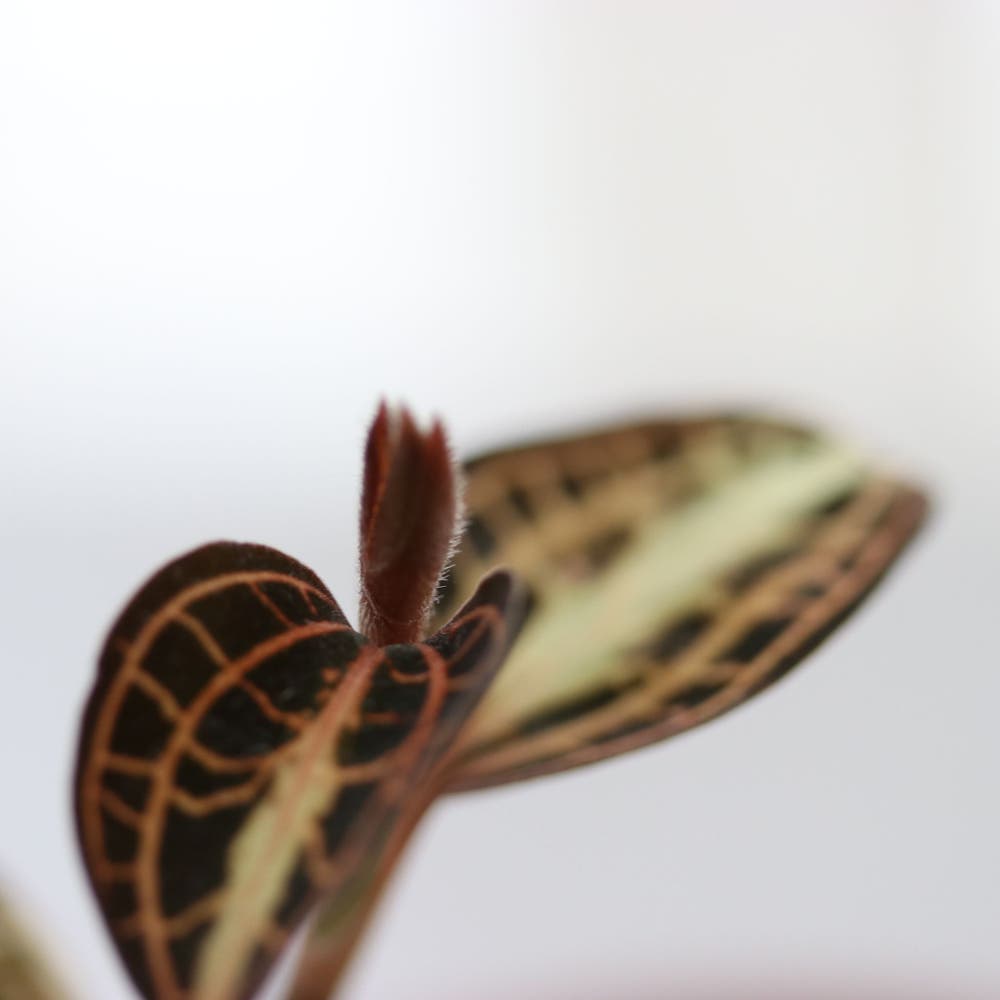
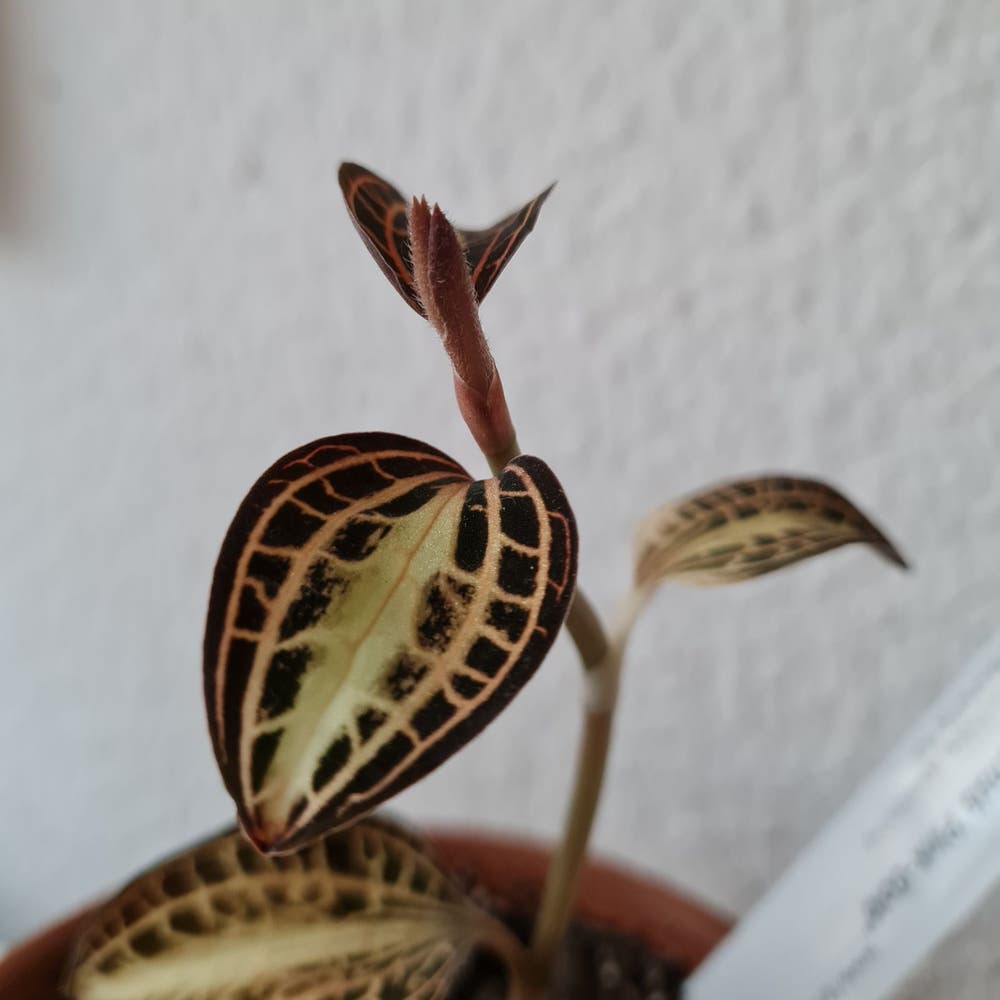
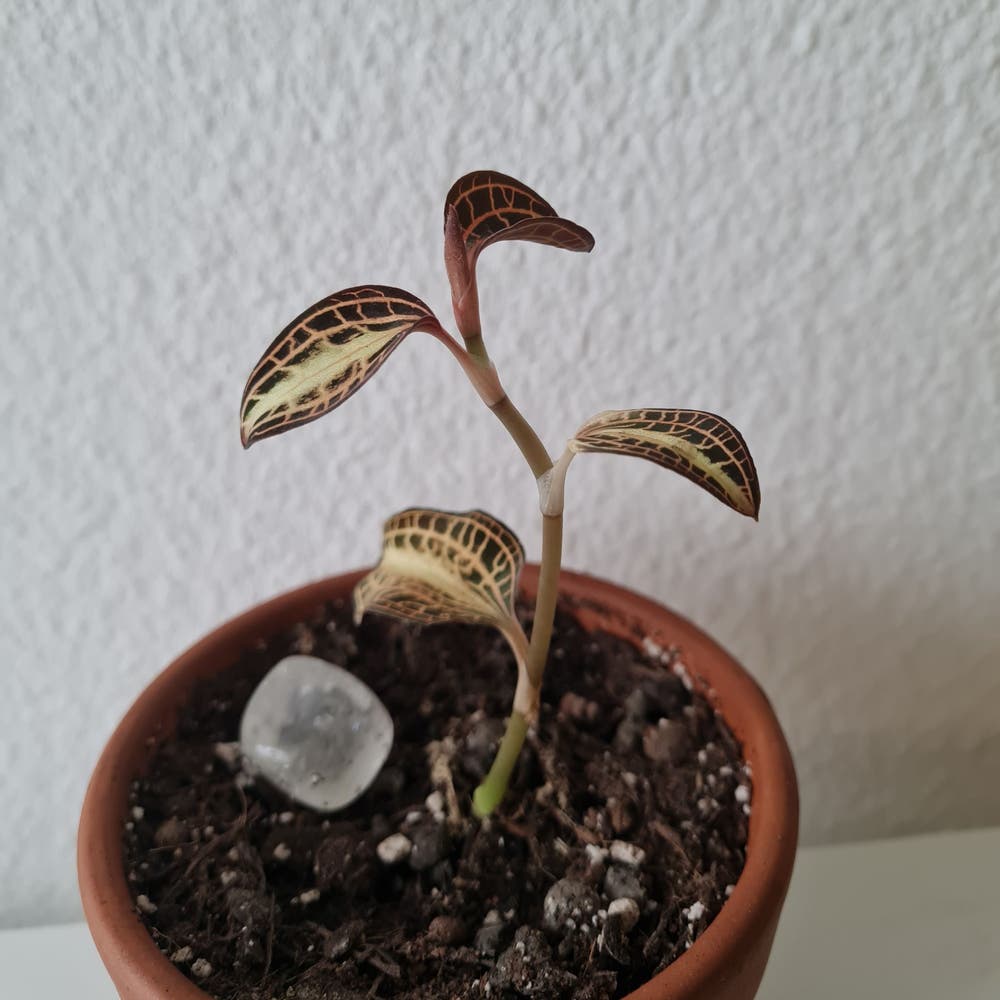
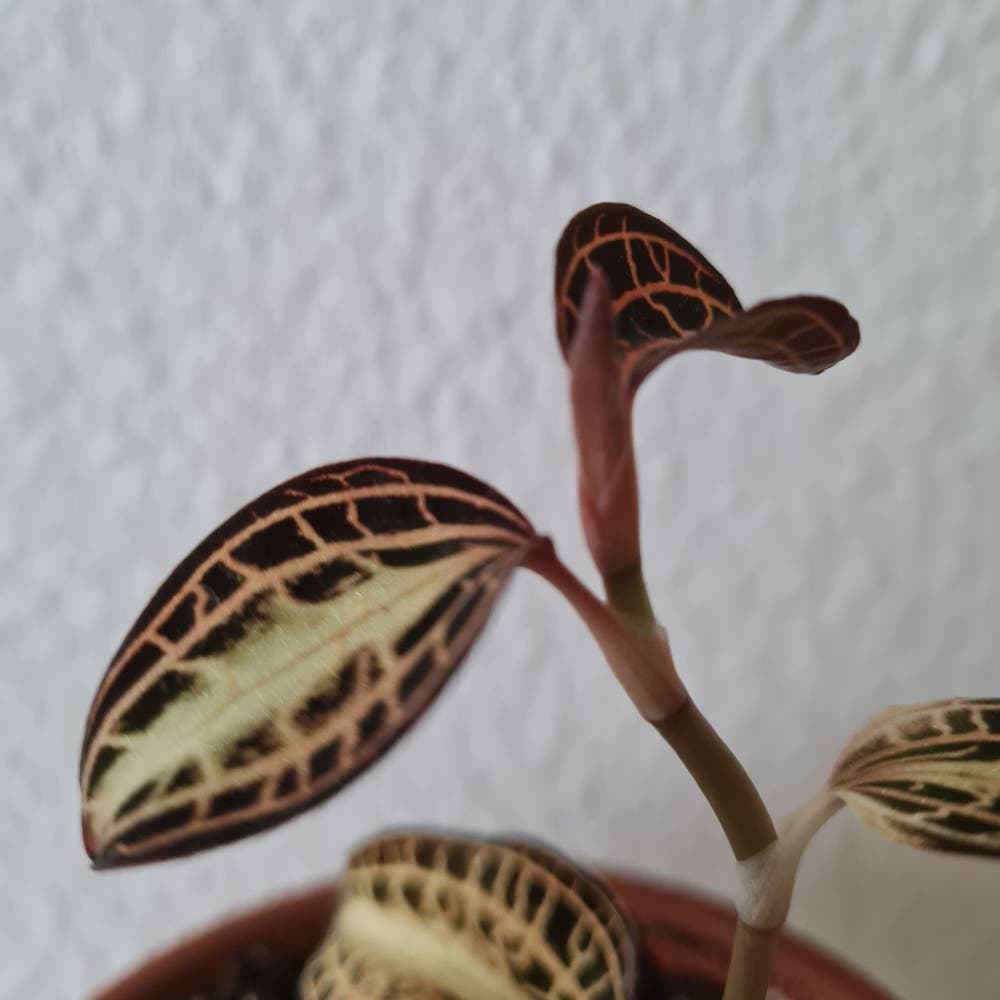
Black spots on Anoectochilus lylei leaves are alarm bells. They can begin as tiny specks and may evolve into larger patches that disrupt the leaf's natural beauty. Look for spots with dark margins or concentric rings, often accompanied by a yellow halo—these are not just aesthetic variations but signs of distress.
🌀 Spot Patterns: Significance of Distribution
The pattern and placement of black spots can be revealing. Uniform distribution might just be a quirky leaf pattern, but random, scattered spots suggest a problem. Pay special attention to the undersides of leaves, as these are prime spots for trouble to start. If the spots are on new growth and spreading to older leaves, consider it a red flag.
Unveiling the Culprits: Causes of Black Spots
🍄 Fungal Foes
Fungi are the primary invaders responsible for the black spots terrorizing your Anoectochilus lylei. Anthracnose and Cercospora are the usual suspects, notorious for their dark, sunken lesions. These spots may start as minor blemishes but can quickly escalate into a full-blown leaf crisis.
Fungal spots often exhibit a bull's-eye pattern, sometimes surrounded by a yellow or red halo. This is a distress signal from your plant, indicating that the fungi have settled in comfortably. If the leaves of your Anoectochilus lylei start to look like a target practice backdrop, it's time to act.
🦠 Bacterial Bullies
Moving on to bacterial infections, these are the stealthy ninjas of the plant world. Pseudomonas leaf spot is a common bacterial adversary, producing black or dark brown spots that can rapidly lead to blight. Unlike their fungal counterparts, bacterial spots often appear water-soaked or slimy, and they may emit a foul odor.
A telltale sign of bacterial invasion is the presence of a yellow halo around the spots, akin to a neon sign warning of trouble ahead. If your plant's leaves look like they've been caught in a downpour of black ink, bacteria might be the ones throwing the party.
Creating a Spot-Free Environment
💧 Balancing Humidity
Humidity is a double-edged sword for Anoectochilus lylei. Too much, and you're hosting a fungal fiesta; too little, and your plant's health dries up. Aim for the sweet spot of 40-60% humidity. This range strikes the right balance, creating an environment that's inhospitable to pathogens but cozy for your plant.
To monitor and adjust humidity levels, invest in a hygrometer. It's your dashboard for dialing in the perfect climate. If the air's too dry, a humidifier or pebble tray can up the moisture. Conversely, a dehumidifier will suck out the excess when it feels like a rainforest.
🌬 Promoting Airflow
Your Anoectochilus lylei needs to breathe, and stagnant air is its nemesis. Good circulation wards off those pesky black spots by keeping the leaves dry and the air fresh. Space out your plants to let the air flow freely—think of it as social distancing for flora.
A fan on a low setting can be a gentle breeze that keeps the air moving without blasting your plant into the next room. Alternatively, placing your plant in a naturally breezy area can be just as effective. Just avoid drafty spots; you want a zephyr, not a gale.
Nipping Black Spots in the Bud: Prevention Strategies
💧 Water Wisely
Watering your Anoectochilus lylei is like diffusing a bomb; one wrong move and boom—black spots everywhere. To prevent this, adopt the 'soak and dry' method. Drench the soil, then back off until it's as dry as a desert at the root level. Forget the calendar; your plant doesn't drink on schedule. Use a soil probe or your trusty finger to test for moisture. If it's damp, hold your horses on the H2O.
Remember, aim for the base when watering. Wet leaves are a fungal fiesta waiting to happen. Early morning water sessions are your best bet, giving leaves time to dry out before nightfall. It's a simple shift that can mean the difference between a thriving plant and a spotty mess.
🧼 Cleanliness is Key
Hygiene for your Anoectochilus lylei is non-negotiable. Sterilize your tools as if you're prepping for surgery—it's that serious. Fallen leaves and debris? Get rid of them faster than a cat dodges a bath. They're nothing but a breeding ground for those black spot culprits.
Regular pruning not only keeps your plant looking sharp but also promotes airflow. Think of it as giving your plant room to breathe in a crowded elevator. And when it comes to pots and tools, keep them as clean as a whistle. This isn't just about being tidy; it's about giving black spots the boot before they can even think about crashing the party.
Eradicating Black Spots: Treatment Options
🌿 Going Natural
Neem oil and baking soda mixtures are your first line of defense in the natural arsenal against black spots. They're effective, eco-friendly, and easy on your plant's soil-dwelling allies. Apply sparingly; a little goes a long way.
🌱 Application Tips for Natural Treatments
For neem oil, mix with water as per instructions—usually a teaspoon per quart. Spray the affected areas thoroughly, but don't drench. With baking soda, a couple of tablespoons in a gallon of water will do. Again, spray, don't soak. Reapply every few days, monitoring your plant's response.
⚗️ Chemical Cavalry
When the natural approach is like bringing a knife to a gunfight, it's time for commercial fungicides and bactericides. They're potent, so respect the label like it's the law.
🧪 When and How to Use Chemicals
Use chemicals when you've tried the gentler methods and the spots still party on. Pick a product safe for Anoectochilus lylei, and apply it during the cooler parts of the day to prevent leaf burn. Rotate your fungicides to keep the fungi guessing and resistance low.
🛡️ Safety Measures
Gear up with gloves and maybe even goggles. You're not just protecting your skin; you're preventing accidental plant poisonings. Apply with precision—think of it as painting a masterpiece, not slapping on a coat of primer.
⚠️ Safety First
This content is for general information and may contain errors, omissions, or outdated details. It is not medical, veterinary advice, or an endorsement of therapeutic claims.
Always consult a qualified healthcare professional before using any plant as food, medicine, or supplement.
Never eat any plant (or feed one to pets) without confirming its identity with at least two trusted sources.
If you suspect poisoning, call Poison Control (800) 222-1222, the Pet Poison Helpline (800) 213-6680, or your local emergency service immediately.
Spotted an error? Please report it here.
Banish those pesky black spots 🕵️♂️ with Greg's personalized humidity and watering reminders, ensuring your Anoectochilus lylei stays in tip-top health.