How to Fertilize Your Anoectochilus lylei
Anoectochilus lylei
By the Greg Editorial Team
Apr 17, 2024•3 min read
This article was created with the help of AI so we can cover more plants for you. May contain errors. See one? Report it here.
- Fertilize monthly during active growth with balanced 20-20-20 N-P-K.
- Adjust for blooming: use high phosphorus fertilizer; no fertilizers during dormancy.
- Avoid over-fertilization: dilute properly, flush if needed, and follow a schedule.
Timing is Everything: When to Fertilize
🌱 Active Growth Periods
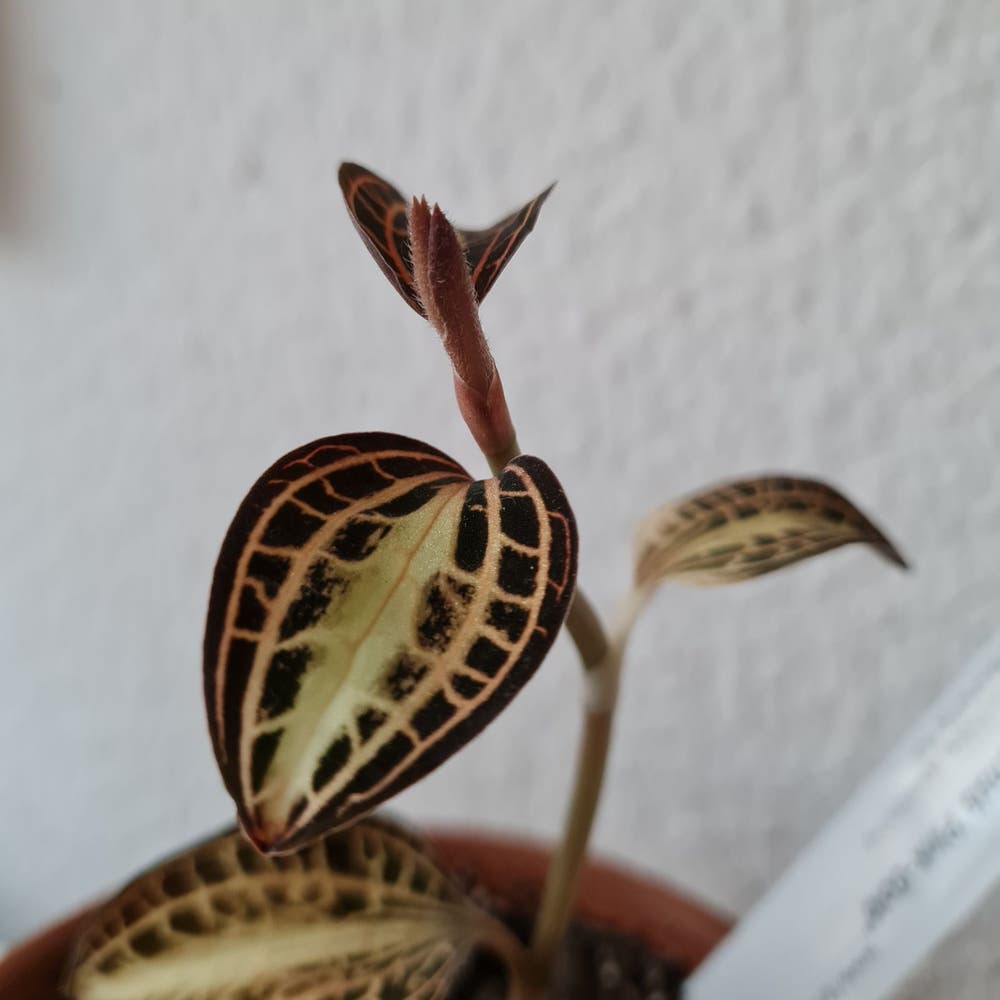
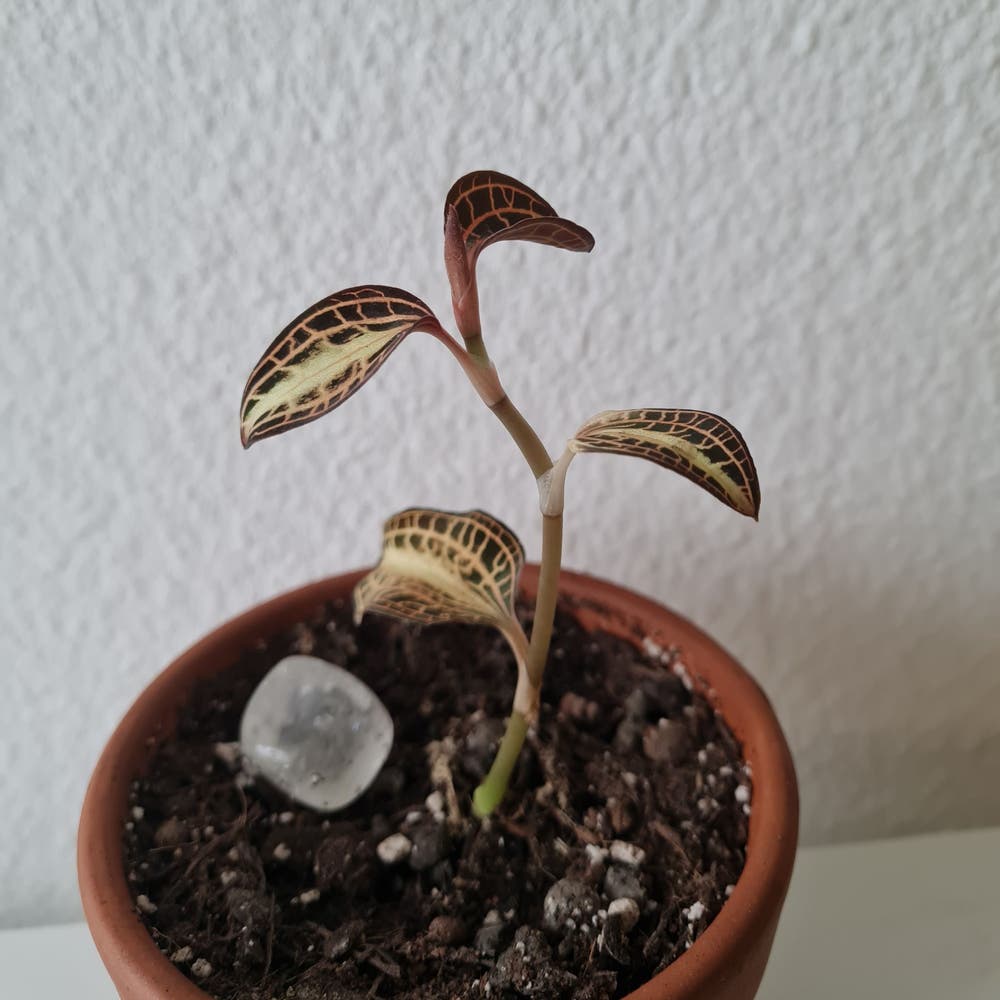
Spotting signs of growth in your Anoectochilus lylei isn't rocket science. Look for new leaves or a surge in size. This is the plant's way of saying, "Feed me!"
Best practices during these growth spurts? Go for a balanced fertilizer. Monthly applications are your best bet, aligning with the plant's natural rhythm.
💐 Blooming Stages
When buds appear, it's time for a nutrient boost. This usually happens from spring to summer. Keep the fertilizer coming monthly, as long as those flowers are in the making.
Adjusting fertilization to support flowering is crucial. High phosphorus is the go-to during this stage. It's like giving your plant a backstage pass to the blooming show.
💤 Resting Phases
Dormancy is the plant's chill time. No fertilizers needed here. It's like offering a five-course meal to someone who's already asleep.
During the winter, your Anoectochilus lylei is basically on a nutrient fast. Over-fertilizing now would only lead to a groggy awakening come spring.
Choosing Your Weapon: Types of Fertilizers
💧 Balanced Liquid Fertilizers
Your Anoectochilus lylei isn't just any plant—it's a nutrient connoisseur. The N-P-K ratio, that's nitrogen-phosphorus-potassium, is like the holy trinity for your orchid's diet. A balanced liquid fertilizer, think 20-20-20, is akin to a perfectly rounded meal for your green friend.
🌱 Organic Options
Going organic isn't just for your kale smoothie; it's a solid move for your Anoectochilus lylei too. Organic fertilizers are the tortoises in the race—slow and steady—releasing nutrients without the shock and awe of synthetics. They're kind to the microbial life in the soil and won't burn your plant's delicate roots. Plus, you're giving a nod to Mother Nature, and she tends to nod back.
The How-To: Fertilizing Your Anoectochilus lylei
💧 Proper Dilution Techniques
Mixing your fertilizer correctly is crucial to avoid nutrient overload. Aim for a half-strength solution, which means you should halve the recommended dose on the fertilizer label. Always dilute liquid fertilizers with water before application to prevent root burn.
🌱 Application Methods
Root Feeding
Root feeding is the primary method for fertilizing Anoectochilus lylei. Apply the diluted fertilizer directly to the moist soil, avoiding direct contact with the leaves or stem to prevent damage.
Foliar Feeding
While less common, foliar feeding can be used sparingly for a quick nutrient boost. If you choose this route, ensure the solution is very dilute and apply during cooler parts of the day to avoid leaf burn.
📅 Frequency of Fertilization
Create a fertilization schedule that aligns with your Anoectochilus lylei's growth phases. Typically, fertilizing once a month during active growth periods is sufficient. Remember, less is often more when it comes to feeding your plant.
Oops, Too Much!: Dealing with Over-Fertilization
🚨 Spotting Trouble
Yellowing leaves or a white crust on the soil surface? These are distress signals from your Anoectochilus lylei. Brown leaf tips and stunted growth are not just quirks—they're cries for help. Over-fertilization can be as subtle as a change in leaf color or as blatant as a mineral crust on the potting mix.
🛠 Quick Fixes
Caught overfeeding? Stop fertilizing immediately. It's time for a soil spa—flush the pot with water to wash away excess salts. Think of it as hitting the reset button for your plant's roots. If there's a crusty layer, remove it with care, like you're dusting off a rare vinyl record. Those crispy leaves? They're done for. Snip them off and vow to stick to the recommended fertilizer dosage next time. Remember, moderation isn't just for monks—it's for your orchid too.
⚠️ Safety First
This content is for general information and may contain errors, omissions, or outdated details. It is not medical, veterinary advice, or an endorsement of therapeutic claims.
Always consult a qualified healthcare professional before using any plant as food, medicine, or supplement.
Never eat any plant (or feed one to pets) without confirming its identity with at least two trusted sources.
If you suspect poisoning, call Poison Control (800) 222-1222, the Pet Poison Helpline (800) 213-6680, or your local emergency service immediately.
Spotted an error? Please report it here.
Ensure your Anoectochilus lylei thrives with spot-on fertilization 🌿 by letting Greg remind you of the perfect feeding times and methods from this guide.