Best Soil for Anoectochilus lylei
Anoectochilus lylei
By the Greg Editorial Team
Apr 17, 2024•4 min read
This article was created with the help of AI so we can cover more plants for you. May contain errors. See one? Report it here.
- Ideal pH 5.5-6.5: Test and adjust soil for Anoectochilus lylei's health.
- Balance is key: Use peat moss, perlite, and organic matter for perfect soil.
- Monitor and maintain: Regular soil health checks prevent compaction and nutrient loss.
Spotting and Fixing Unhappy Soil
🚩 Recognizing Trouble in Paradise
Discoloration or a plant that looks more like a wilted salad than a lush jewel orchid? These are distress signals from your Anoectochilus lylei's soil. Mold on the surface is the equivalent of a red flag waving frantically, while a musty odor is the silent alarm you can't afford to ignore.
🚨 The Rescue Mission for Troubled Soil
Waterlogged soil needs a swift kick of drainage—think perlite or coarse sand to the rescue. If your soil is denser than a fruitcake, it's time to fluff it up and let those roots breathe. Compacted soil is a no-go; your plant's roots need an airy home to thrive.
The Perfect Soil Shopping List
🌱 Texture and Drainage: The Dynamic Duo
The texture of your Anoectochilus lylei's soil is critical. It should be loose enough to allow roots to spread out and firm enough to provide support. Drainage is equally vital; you want water to flow through the soil, not pool around the roots. This prevents the dreaded soggy soil syndrome.
📊 pH and Nutrients: Getting the Balance Right
Anoectochilus lylei prefers a pH around 5.5 to 6.5. Test your soil and adjust accordingly to hit that sweet spot. Nutrients are the lifeblood of your plant, so incorporate plenty of organic matter to nourish and sustain your green friend.
Crafting Your Own Anoectochilus lylei Soil Blend
🌱 The Base Ingredients
Peat moss is your soil's hydration hero, locking in moisture without waterlogging. Perlite steps in as the aeration ace, ensuring your mix breathes easy. Together, they form the foundation of your Anoectochilus lylei's personal soil sanctuary.
For a nutrient boost, worm castings are the secret sauce. They're like a slow-release superfood for your soil, enriching it without going overboard. Remember, it's a sprinkle, not a scoop.
📏 Proportions and Mixing: Creating a Balanced Blend
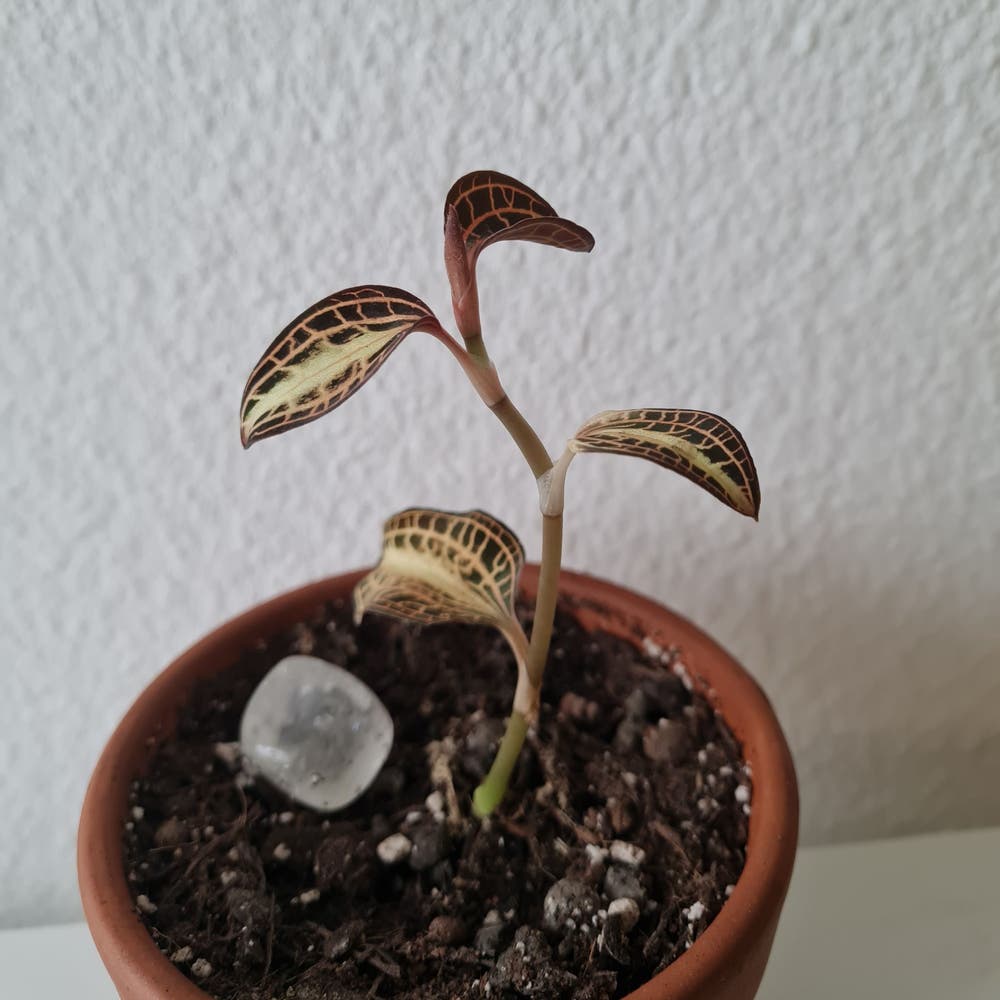
Aim for a one-to-one-to-one ratio of peat moss, perlite, and high-quality potting soil. It's like the holy trinity of soil blends, each part playing a pivotal role. Half a part of worm castings rounds out the mix, making it nutrient-rich.
Mixing is less science, more art. You're looking for a texture that's just right—clumps lightly but crumbles on demand. If it's too heavy, add more perlite. Too dry? More peat moss. It's a dance, and you're leading.
🔬 Fine-tuning Your Mix
Adjusting pH and nutrient levels is where you channel your inner soil whisperer. Slightly acidic is the sweet spot for Anoectochilus lylei, so keep that pH tester handy.
Testing and tweaking is your path to perfection. If the pH is off, a touch of lime can bring it back in line. Too few nutrients? More worm castings. But go easy—you want a balanced diet, not a feast.
Remember, your Anoectochilus lylei isn't just any plant—it's a living testament to your green thumb prowess. Treat its soil like a gourmet meal, and watch your plant thrive.
Keeping Your Soil Game Strong
🌱 Regular Check-ups
Monitoring your soil's health is like checking your car's oil: essential and often overlooked. Feel the soil weekly; if it's too dry or soggy, take note. A moisture meter can provide precise moisture levels, helping you avoid guesswork.
Change is constant, and so is the case with your Anoectochilus lylei's soil. Refresh or replace the soil when it becomes compacted or nutrient-depleted. This could be as often as annually, depending on your plant's performance and the soil's condition.
🌿 Pro Tips for Soil Care
Watering is an art form—too much, and you drown the roots; too little, and they thirst to death. Water wisely, ensuring the soil is moist but not waterlogged. Use your finger or a chopstick to check the soil before each watering.
Fertilizing is like seasoning food; it's all about balance. Fertilize during the growing season, but don't overdo it. Over-fertilization can harm your soil's ecosystem. Stick to a balanced, water-soluble fertilizer and follow the recommended dosage.
Regularly aerate the soil to prevent compaction. This can be as simple as gently stirring the top layer with a stick. Think of it as giving your plant's roots room to breathe and stretch.
Lastly, keep an eye on the soil's texture and color. If it starts to look more like concrete than a fluffy cake, it's time to intervene. Mix in organic matter like compost to maintain a nutrient-rich, well-draining environment for your Anoectochilus lylei.
⚠️ Safety First
This content is for general information and may contain errors, omissions, or outdated details. It is not medical, veterinary advice, or an endorsement of therapeutic claims.
Always consult a qualified healthcare professional before using any plant as food, medicine, or supplement.
Never eat any plant (or feed one to pets) without confirming its identity with at least two trusted sources.
If you suspect poisoning, call Poison Control (800) 222-1222, the Pet Poison Helpline (800) 213-6680, or your local emergency service immediately.
Spotted an error? Please report it here.
Craft the ideal gourmet soil for your Anoectochilus lylei and let Greg's custom reminders 🌱 ensure it stays perfectly balanced for thriving growth.