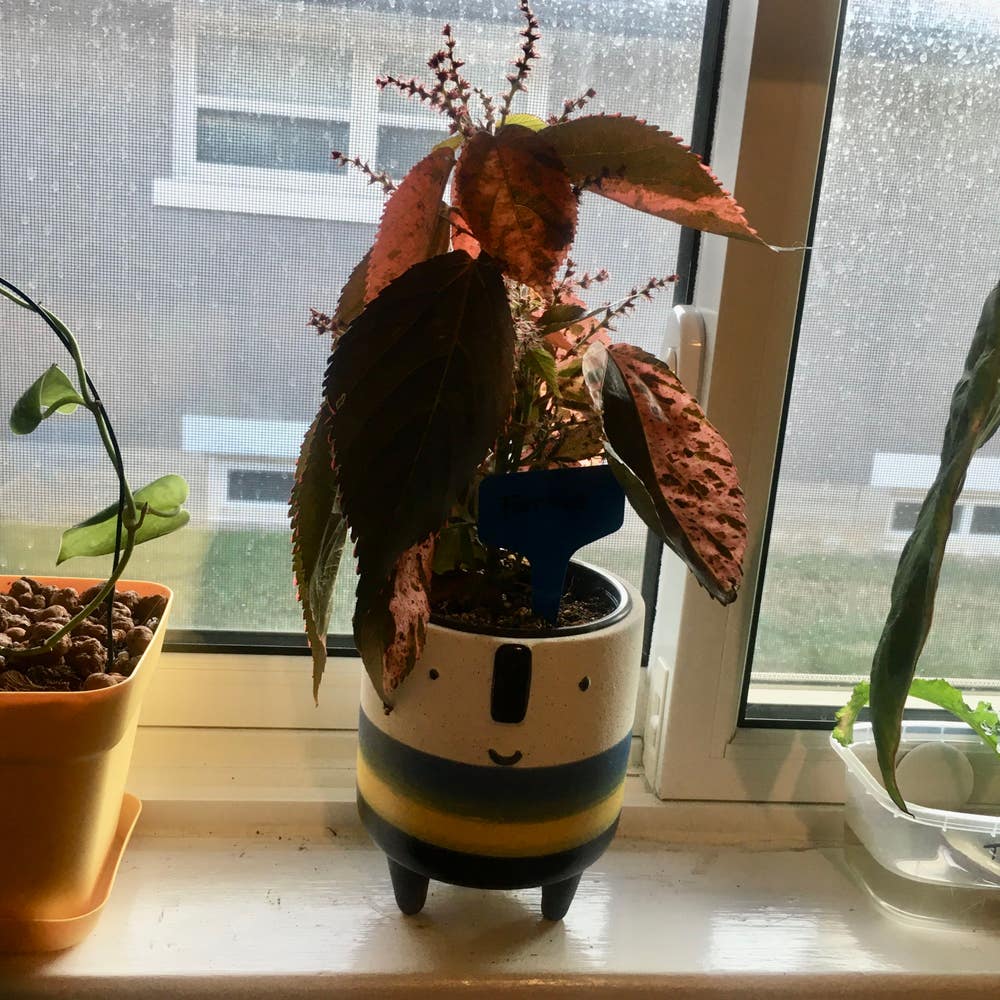
Why Are My Hornbeam Copperleaf Leaves Mushy?
Acalypha persimilis
By the Greg Editorial Team
Mar 22, 2024•4 min read
This article was created with the help of AI so we can cover more plants for you. May contain errors. See one? Report it here.
Rescue your Hornbeam Copperleaf from mushiness 🍂 with our savvy overwatering and disease prevention tips!
- 🚿 Overwatering signs: Soggy soil, droopy, and mushy leaves.
- 🌱 Improve drainage: Add holes or repot with well-draining soil.
- 🍄 Prevent and treat fungal diseases: Ensure dry conditions and good airflow.
Spotting the Trouble: Signs Your Hornbeam Copperleaf is Too Wet
🚰 Telltale Signs of Overwatering
Soggy soil and droopy leaves are the first red flags. If your Hornbeam Copperleaf's leaves feel like a wet paper towel, it's time to take action.
Persistent droopiness combined with a mushy texture is a clear cry for help. Touch the stems; if they squish under pressure, you've overdone the watering.
🚰 Drainage Woes: Is Your Pot Part of the Problem?
Check the bottom of your pot. No drainage holes? That's a rookie mistake. Your plant's roots aren't aquatic and don't appreciate a perpetual bath.
A pot that's heavier than your guilt for killing that cactus last year might be waterlogged. Excess water needs to escape, or you're setting the stage for root rot.
Immediate Relief for Your Waterlogged Plant
💧 Cutting Back on H2O: Finding the Right Balance
Adjusting your watering schedule is crucial. If the soil feels wet an inch below the surface, hold off on the H2O. Let the earth dry out to the touch before even thinking about giving your plant another drink. This approach is like a reset button for your overwatered Hornbeam Copperleaf.
🌵 The "Dry Out" Method for Overwatered Plants
Cease watering; let the soil's moisture evaporate a bit. It's a tough love approach, but your plant needs this time to recover from its unintended swim. Check the pot for proper drainage—if it's lacking, it's time for some tough decisions.
🌱 Upgrading Your Plant's Home for Better Drainage
Quick fixes for drainage can be as simple as adding holes to the pot. If that's not an option, or if the situation is dire, repotting might be your best bet. Choose a pot with ample drainage holes and consider a mix of soil that's like a backstage pass for water—fast and efficient.
🌿 When to Repot and What to Use
Repotting should be your go-to move when all else fails. Opt for a fresh start with well-draining soil, perhaps a blend with perlite or sand. It's like giving your plant a new lease on life, with the added bonus of preventing future waterlogging episodes.
Fungal Foes: Dealing with Disease
🍄 Identifying Common Culprits
Fungal diseases can be the bane of any plant enthusiast's existence, and the Hornbeam Copperleaf is no exception. Spots on leaves are the red flags of fungal infections, signaling it's time to play detective. Moisture is the mastermind behind these outbreaks, creating a playground for pathogens.
💧 Understanding the Link Between Moisture and Disease
It's a simple equation: excess moisture equals fungal fiesta. Airflow and dry conditions are your plant's best pals in preventing an unwanted mushroom party. Remember, fungi are like unwanted guests—they thrive where they're not supposed to.
🚫 Getting Rid of the Gunk: Treatment Options
🏡 Home Remedies vs. Commercial Fungicides
When you're facing a fungal invasion, you've got options. The eco-friendly crowd can reach for baking soda sprays, a classic hit in the plant care playlist. For those facing a more severe infestation, commercial fungicides are the heavy-duty roadies ready to clear the stage.
⏰ Application Tips for Effective Treatment
Timing is everything—apply treatments when your plant is most receptive, typically in the morning. Think of it as giving your plant its morning coffee, a boost to fight off the fungal blues. Always read labels like they're the terms and conditions of your plant's health contract.
Keeping Your Hornbeam Copperleaf Happy and Healthy
💧 Watering Wisdom: Preventing Future Flops
Gauging your plant's thirst is more art than science. Check the soil before watering—stick your finger in up to the second knuckle. If it's dry, it's time to quench.
Tools like moisture meters can take the guesswork out of watering. But don't dismiss the value of a good old-fashioned calendar. Schedule your waterings, but be ready to adapt to your plant's feedback and the whims of the weather.
🛡️ The Best Defense is a Good Offense: Disease Prevention
Cultivating conditions that make disease think twice before setting up shop is key. Ensure good air circulation and avoid wetting the leaves—think watering at the base, not a shower from above.
Routine checks are your plant's regular health screenings. Spot trouble before it starts with regular inspections of leaves and soil. If something looks off, act fast—remove any affected areas to prevent spread.
Preventative fungicides can be a plant's best friend, but use them wisely. They're not candy, so follow the instructions to the letter. Remember, the goal is to create an environment where diseases just can't take hold.
⚠️ Safety First
This content is for general information and may contain errors, omissions, or outdated details. It is not medical, veterinary advice, or an endorsement of therapeutic claims.
Always consult a qualified healthcare professional before using any plant as food, medicine, or supplement.
Never eat any plant (or feed one to pets) without confirming its identity with at least two trusted sources.
If you suspect poisoning, call Poison Control (800) 222-1222, the Pet Poison Helpline (800) 213-6680, or your local emergency service immediately.
Spotted an error? Please report it here.
Prevent overwatering and fungal woes 🍄 with Greg's tailored watering reminders, ensuring your Hornbeam Copperleaf thrives in just the right conditions!