Year-Round Light Requirements For My Hornbeam Copperleaf
Acalypha persimilis
By the Greg Editorial Team
Mar 22, 2024•3 min read
This article was created with the help of AI so we can cover more plants for you. May contain errors. See one? Report it here.
[[Draft Statement]]: Discover how to keep your Hornbeam Copperleaf flourishing with the perfect light recipe, all year round! 🌞🌿
[[Thoughts]]: The first draft is engaging and touches on the core message of the article, which is about maintaining the right light conditions for the Hornbeam Copperleaf. However
- Six hours of morning sun ensures vibrant Hornbeam Copperleaf colors.
- Adjust light with seasons; use grow lights in winter if needed.
- East-facing windows indoors provide ideal light for growth and blooming.
Soaking Up the Sun: Outdoor Light Love
🌞 Full Sun vs. Partial Shade: Finding the Sweet Spot
Hornbeam Copperleaf thrives under a precise balance of light. Six hours of morning sunlight garnish the leaves with vibrant colors. But when the sun cranks up the heat, it's time to play it cool. A shaded afternoon retreat prevents the dreaded leaf scorch.
To protect your plant from the midday sun, consider a natural canopy or a sheer fabric screen. This simple strategy keeps your foliage from frying and maintains the leafy luster.
🌅 Seasonal Shifts: Adapting to the Sun's Cycle
As seasons change, so should your Hornbeam Copperleaf's sunbathing routine. Spring's milder rays invite more direct exposure, while the intense summer sun calls for strategic shading.
Winter brings its own challenges. Shorter days mean every ray counts. If your green buddy seems to be reaching for the sky, it's begging for more light. Time to find a sunnier spot or brace for a case of the winter doldrums.
Bringing the Sunshine In: Indoor Light Needs
🌞 The Right Rays: Simulating Natural Light Indoors
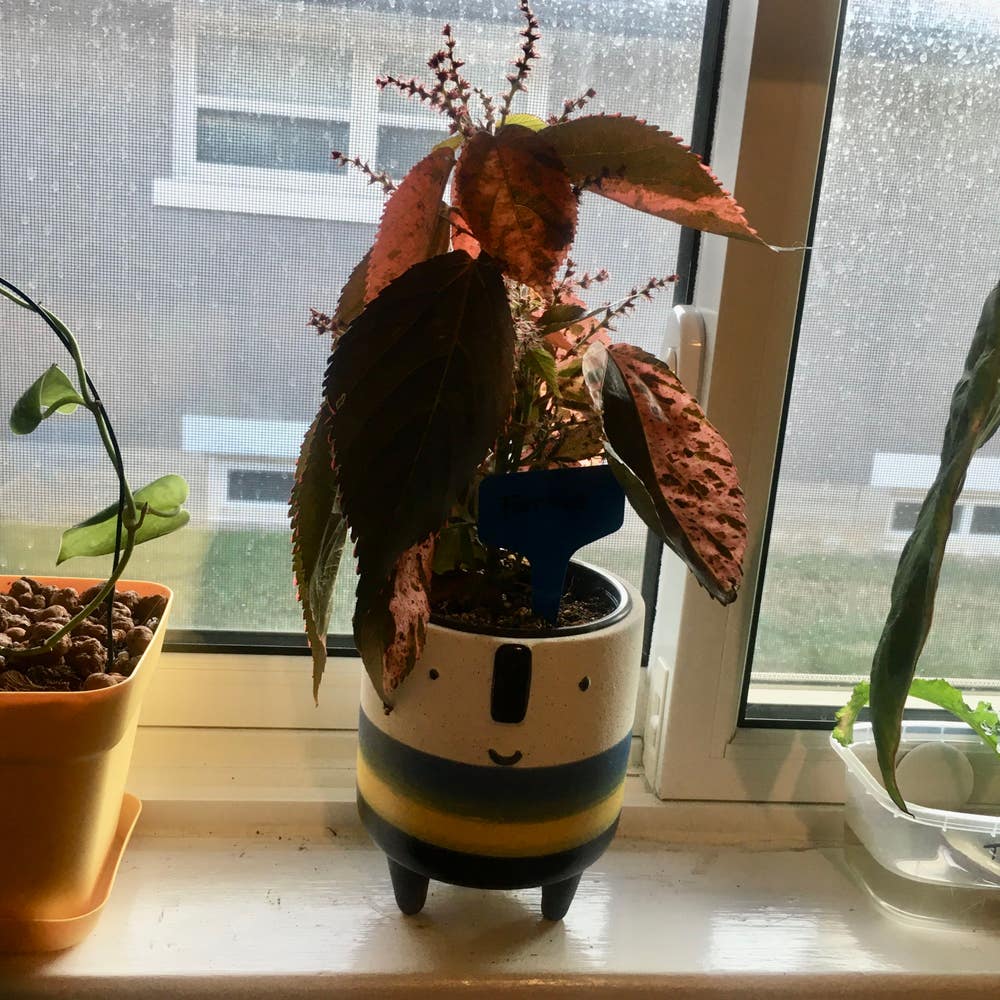
East-facing windows are the MVPs for your Hornbeam Copperleaf, serving up that bright, indirect light it thrives on. If the leaves lose their luster, it's a bat-signal for more photons.
Rotate your plant buddy regularly to avoid a lopsided growth spurt. It's like giving it a well-rounded diet of sunshine.
💡 Grow Lights: Giving Your Plant a Boost
Time for grow lights when your Hornbeam Copperleaf starts stretching like it's reaching for the last cookie. LEDs or fluorescents are your go-to; they're the sun without the sunburn.
Choosing the right grow light is like picking a personal sun. Full-spectrum LEDs are ideal, bathing your plant in a spectrum that's just right. Remember, overhead placement is key for that even tan.
Flower Power: Light's Role in Blooming
🌼 Indoor vs. Outdoor Blooming
Light is the maestro for the Hornbeam Copperleaf's blooming concert, whether indoors or out. Indoors, it's a game of mimicry—recreating the sun's embrace to coax out those elusive flowers. Outdoors, the plant basks in the natural rhythm of day and night, with blooms more likely to join the party.
- Indoors: Think bright, indirect light—your window is a stage, and the Hornbeam Copperleaf is the star. Too little light? Cue the grow lights; they're your understudies, ready to shine when the sun won't.
- Outdoors: It's all about location. Full sun to partial shade sets the scene for a blooming fiesta. But watch out, too much direct sunlight and you'll have a wilting drama on your hands.
🌟 Tips for Encouraging Your Hornbeam Copperleaf to Flower
- Consistency is key. Keep light conditions steady; think of it as the plant's daily rehearsal for the big bloom show.
- Seasons change, and so should your approach. As the days shorten, consider an artificial light encore to keep the flowering cues coming.
- Patience, please. Flowers might take their sweet time, but with the right light, they'll make their grand entrance.
- Observe. Your plant will tell you if it's ready for the spotlight—lush growth is a green thumbs-up for potential blooms.
⚠️ Safety First
This content is for general information and may contain errors, omissions, or outdated details. It is not medical, veterinary advice, or an endorsement of therapeutic claims.
Always consult a qualified healthcare professional before using any plant as food, medicine, or supplement.
Never eat any plant (or feed one to pets) without confirming its identity with at least two trusted sources.
If you suspect poisoning, call Poison Control (800) 222-1222, the Pet Poison Helpline (800) 213-6680, or your local emergency service immediately.
Spotted an error? Please report it here.
Ensure your Hornbeam Copperleaf always gets its perfect sunbath for vibrant growth 🌞 with Greg's tailored light reminders, making every season a blooming success.