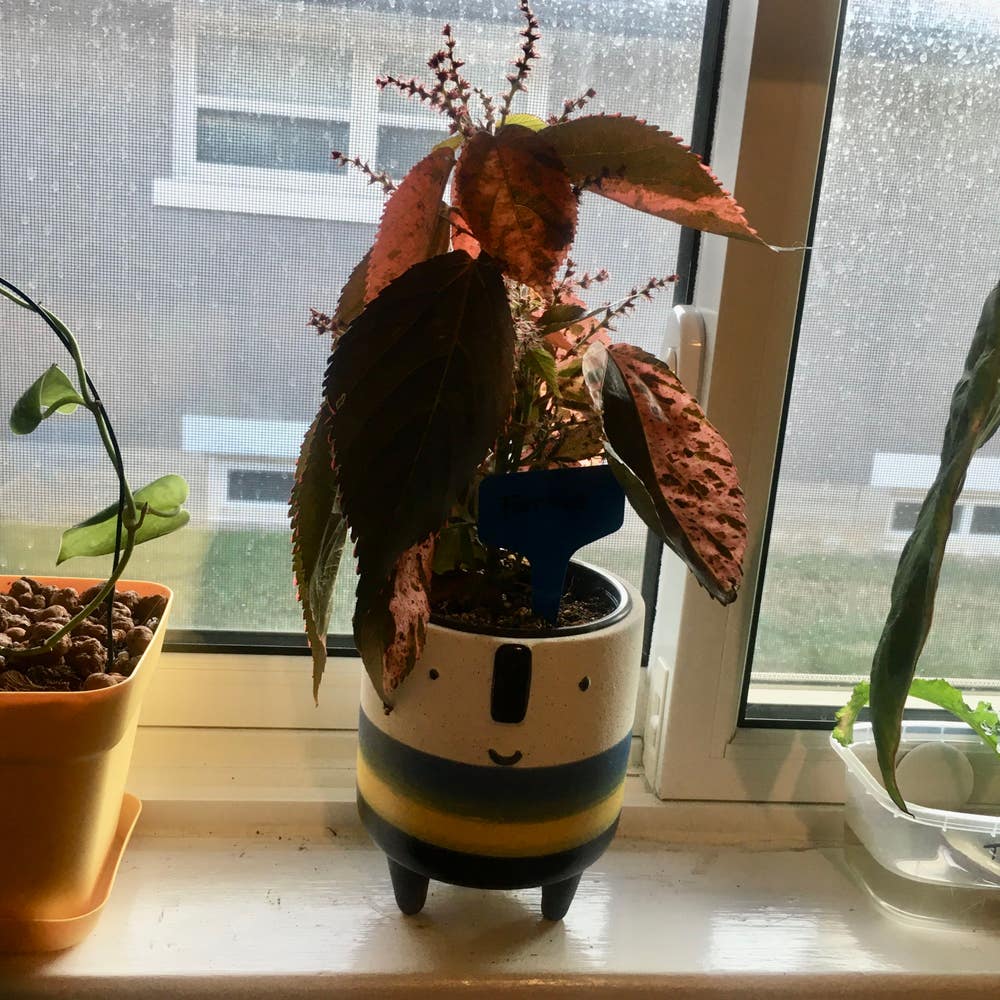
What Are The Bugs on My Hornbeam Copperleaf?
Acalypha persimilis
By the Greg Editorial Team
Mar 22, 2024•4 min read
This article was created with the help of AI so we can cover more plants for you. May contain errors. See one? Report it here.
Safeguard your Hornbeam Copperleaf's 🌿 health from bugs with these proven defense strategies!
- Spider mites and scale insects cause discoloration, webs, and stickiness.
- Fungus gnats, mealybugs, aphids, thrips: Overwatering and leaf damage signs.
- Prevent pests with regular inspection, balanced watering, and quarantine.
Spot the Invader: Identifying Common Hornbeam Copperleaf Pests
🕷️ Spider Mites: The Tiny Web Weavers
Fine webs and discolored leaves are the calling cards of spider mites on your Hornbeam Copperleaf. These pests can cause significant leaf damage, turning your plant's foliage into their personal buffet.
🦟 Scale Insects: The Sticky Stowaways
Spotting scale insects involves looking for bumps on stems and leaves, accompanied by a sticky substance. Your Hornbeam Copperleaf may exhibit yellowing and wilting as it struggles against these sticky stowaways.
🦟 Fungus Gnats and Fruit Flies: The Soil Lurkers
These pests are more than just a nuisance; their presence indicates overwatered soil. Larvae and adult flies around your plant are signs that your Hornbeam Copperleaf might be under siege from below.
🐛 Mealybugs: The Fluffy Fiends
Mealybugs leave white, cottony masses on your Hornbeam Copperleaf. If you see these, your plant is likely experiencing stress, manifesting as stunted growth or leaf drop.
🦗 Aphids: The Sap Suckers
Aphids congregate in clusters, especially on new growth. Their sap-sucking habits can cause your Hornbeam Copperleaf to exhibit curled, distorted leaves or a general lack of vigor.
🦗 Thrips: The Leaf Destroyers
Silver streaks on leaves and other deformities are telltale signs of thrips. These pests can seriously impact your Hornbeam Copperleaf's appearance and overall health.
Battle Tactics: Remedies Tailored for Hornbeam Copperleaf Pests
🕷️ Spider Mites: Turning the Tide
Spider mites hate humidity. Crank up the moisture to deter them. If they've already made themselves at home, unleash neem oil or summon predatory mites to the battlefield.
The Hornbeam Copperleaf's allies include beneficial bugs and insecticidal soaps. They're like the plant's personal bodyguards, keeping the mites in check.
⚔️ Scale Insects: Reclaiming Territory
For scale insects, it's a hands-on war. Scrape them off, then follow up with a horticultural oil drench. It's like giving your plant a protective armor.
Recruit natural predators like ladybugs to the Hornbeam Copperleaf's defense. They're the mercenaries of the garden world, working for food, not money.
🦟 Fungus Gnats and Fruit Flies: Cutting Off the Source
Soil strategies are key. Let the topsoil dry out, then set up yellow sticky traps as a welcoming committee for adults. It's like a no-fly zone for gnats.
Deploy nematodes—nature's own pest control agents. They'll take out the larvae, cutting off the next generation of pests.
🐜 Mealybugs: Wiping Out the White
A cotton swab dipped in rubbing alcohol is your first strike against mealybugs. Follow up with a soapy water spray for a one-two punch.
Lacewings are the Hornbeam Copperleaf's guardian angels. They'll feast on the mealybugs, keeping your plant safe.
🦗 Aphids and Thrips: Blasting the Bugs
Blast aphids away with a strong stream of water. For thrips, oil up your plant with neem or horticultural oil. It's like putting up a slippery "no trespassing" sign.
Reflective mulches and natural predators provide a protective shield for your Hornbeam Copperleaf. It's like having a security system for your plant.
Keeping the Critters at Bay: Hornbeam Copperleaf-Specific Prevention
🕵️♂️ Regular Recon: Inspecting Your Plant
Regular pest patrols are non-negotiable for your Hornbeam Copperleaf. Flip those leaves and peer into the plant's nooks like a hawk. Early detection is your best shot at keeping those bugs in check.
💧 Water Wisdom: Balancing Moisture to Deter Pests
Overwatering is an open invitation to pests. Let the topsoil dry out before you go for the watering can. It's not just about a schedule; it's about smart moisture management to keep those critters at bay.
🚫 Quarantine Quarters: Safeguarding Your Green Space
New plants? Quarantine them. It's not unfriendly; it's smart gardening. Preventing pest parties starts with keeping potential plus-ones in isolation until you're sure they're not packing unwanted guests.
⚠️ Safety First
This content is for general information and may contain errors, omissions, or outdated details. It is not medical, veterinary advice, or an endorsement of therapeutic claims.
Always consult a qualified healthcare professional before using any plant as food, medicine, or supplement.
Never eat any plant (or feed one to pets) without confirming its identity with at least two trusted sources.
If you suspect poisoning, call Poison Control (800) 222-1222, the Pet Poison Helpline (800) 213-6680, or your local emergency service immediately.
Spotted an error? Please report it here.
Keep your Hornbeam Copperleaf pest-free 🌿 with Greg's custom care reminders for early detection and perfect watering schedules!