Why Are There Black Spots on My Hornbeam Copperleaf Leaves?
Acalypha persimilis
By the Greg Editorial Team
Mar 22, 2024•3 min read
This article was created with the help of AI so we can cover more plants for you. May contain errors. See one? Report it here.
Banish black spots on your Hornbeam Copperleaf 🍂 and keep its leaves lustrous with our expert guide!
- Fungi and bacteria are main causes of black spots on leaves.
- Environmental stress like overwatering contributes to the issue.
- Prune and adjust watering; use fungicides as needed for treatment.
Spotting the Trouble: Recognizing Black Spots on Your Plant
🕵️ Visual Clues
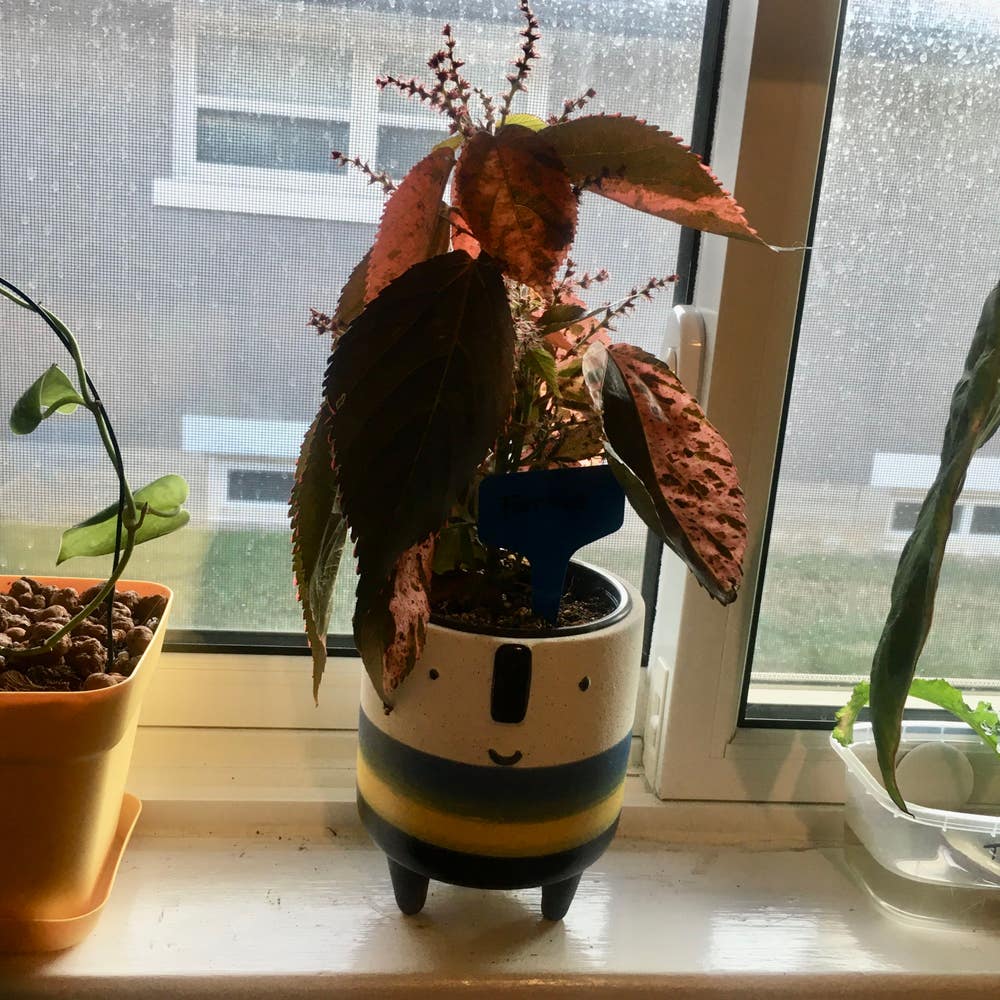
Black spots on Hornbeam Copperleaf leaves are alarm bells. Initially, they may appear as small, dark speckles, especially on the undersides of leaves. As they progress, these spots can expand into larger patches, often with dark margins or concentric rings, indicating a potential infection.
🌀 Troublesome Patterns
The pattern of black spot spread is telling. If you notice new growth getting hit first, followed by older leaves, your plant is sending a distress signal. A rapid increase in the number and size of spots, sometimes accompanied by yellowing leaves, should prompt immediate action. Regular inspections are non-negotiable; catching black spots early can be the difference between a quick recovery and a prolonged battle.
The Usual Suspects: Identifying the Culprits Behind Black Spots
🍄 Fungal Foes
Fungi are the sneaky invaders of the plant world, often responsible for the black spots on your Hornbeam Copperleaf. Anthracnose and Cercospora are the usual suspects here. They thrive in moist conditions, turning your plant's leaves into a canvas for their destructive art. Anthracnose manifests as dark, sunken lesions, sometimes with a bull's-eye pattern. Cercospora, on the other hand, prefers to leave its mark with smaller, more uniform spots.
🦠 Bacterial Bullies
Bacterial leaf spot is like the ninja of plant problems—stealthy and damaging. It leaves behind water-soaked lesions that can look slimy and often have a yellow halo. These spots are the bacterial signature, a telltale sign of a microscopic invasion. High humidity and poor air circulation are their best friends, allowing them to multiply and wreak havoc on your foliage.
🌿 Environmental Stress Signals
Don't overlook environmental stress as a potential black spot accomplice. Overwatering, excessive humidity, and lack of air circulation can all contribute to the issue. These factors create a plant's nightmare, mimicking infection symptoms and making diagnosis a bit trickier. It's crucial to play detective and scrutinize your plant's living conditions to get to the root of the problem.
First Aid for Your Foliage: Immediate Actions to Combat Black Spots
🚨 Quick Quarantine Measures
- Isolate the plant to halt the spread of black spots to your plant collection.
- Ensure the isolated plant has adequate airflow and is not in overly moist conditions.
🛠️ Initial Treatment Tactics
- Prune affected leaves with sterilized tools to remove infected areas.
- Adjust watering practices to keep foliage dry, watering at the base of the plant.
- Consider a copper-based fungicide application, following the label instructions meticulously.
- Monitor the plant closely for any new signs of black spots, and maintain a clean environment to discourage further issues.
Winning the War: Long-Term Treatment and Prevention Strategies
🌿 Fungicide Friends and Bactericide Buddies
Timing is critical when deploying chemical treatments. Protectant fungicides are your preemptive strike, requiring application before the black spots even think about showing up. On the other hand, systemic fungicides are the cavalry that comes to the rescue after the battle has begun, working from the inside out. Always, and I mean always, stick to the label's script—this isn't the place for improvisation.
🌬️ Cultural Practices for Prevention
Airflow isn't just a breeze; it's a breath of fresh life for your Hornbeam Copperleaf. Prune with purpose to give each leaf its moment in the sun and space to breathe. Watering should be a thoughtful affair—only when the soil gives you a dry handshake. And cleanliness? It's next to godliness for a reason. Keep the fallen debris clear, and you'll keep many troubles far from your leafy wards.
⚠️ Safety First
This content is for general information and may contain errors, omissions, or outdated details. It is not medical, veterinary advice, or an endorsement of therapeutic claims.
Always consult a qualified healthcare professional before using any plant as food, medicine, or supplement.
Never eat any plant (or feed one to pets) without confirming its identity with at least two trusted sources.
If you suspect poisoning, call Poison Control (800) 222-1222, the Pet Poison Helpline (800) 213-6680, or your local emergency service immediately.
Spotted an error? Please report it here.
Eradicate those black spots 🍃 on your Hornbeam Copperleaf with Greg's custom care plans and expert community support for a healthy, vibrant comeback!