Why Are There Brown Spots on My Hornbeam Copperleaf Leaves?
Acalypha persimilis
By the Greg Editorial Team
Mar 22, 2024•4 min read
This article was created with the help of AI so we can cover more plants for you. May contain errors. See one? Report it here.
Uncover the secret behind those pesky brown spots on your Hornbeam Copperleaf and save your greenery! 🍂🔍
- Brown spots vary; yellow edges or odor suggest serious issues.
- Fungal spots are fuzzy, bacterial spots angular and thrive in warmth and moisture.
- Prevent with proper watering, light, and airflow; treat with targeted fungicides or antibacterials.
Spotting the Trouble: Recognizing Brown Spots
🕵️ What They Look Like
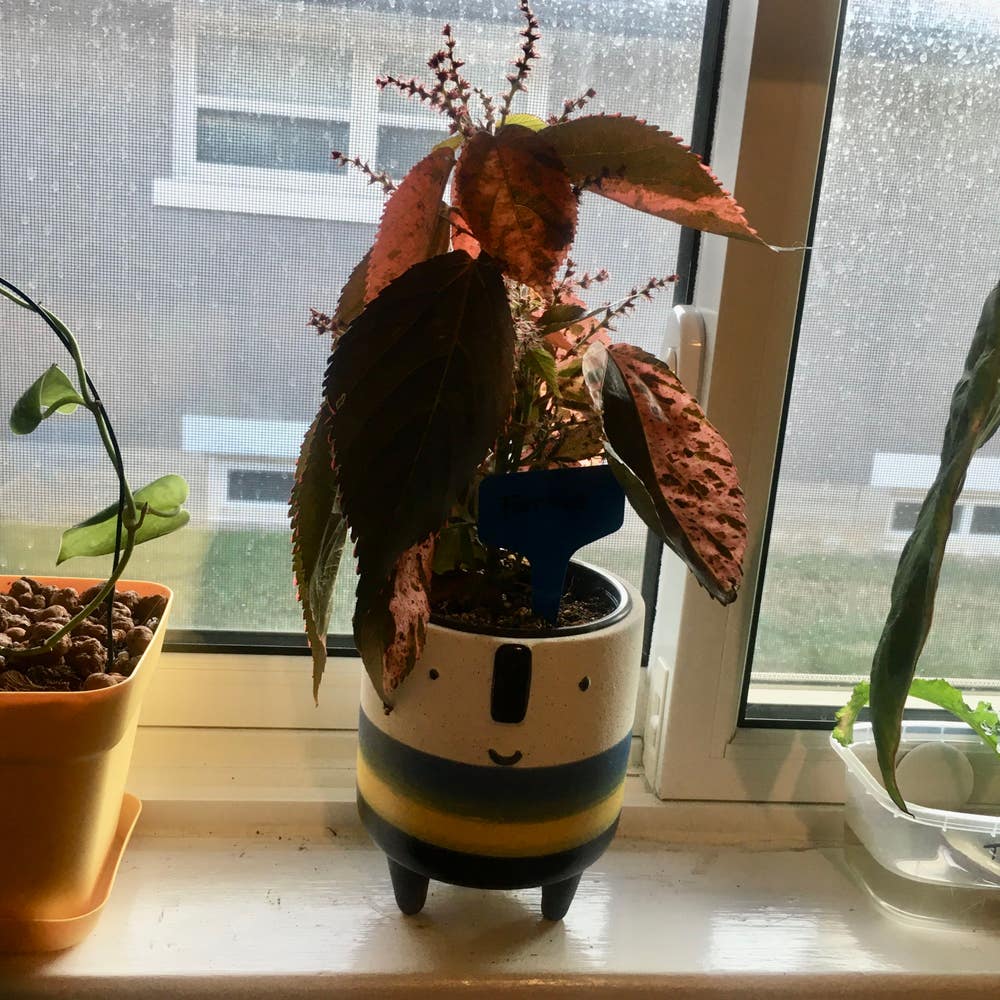
Brown spots on Hornbeam Copperleaf leaves can vary in appearance. They might be small, resembling pinpricks, or large blotches. Some have a yellowish edge or a halo, signaling that it's not just a cosmetic issue. Raised, sunken, or spots with a foul odor are red flags, suggesting a deeper problem than a simple blemish.
🌍 Where They Show Up
Inspect your plant regularly; brown spots can pop up anywhere but often have a favorite haunt. They might cluster on mature leaves or target the fresh, young growth. Check the undersides of leaves too; trouble likes to hide. A uniform pattern could point to environmental stress, while scattered spots might indicate a pest or pathogen attack.
📈 How They Can Escalate
Without prompt action, small spots can grow or merge into larger areas of damage. Keep track of their progression—are they multiplying or enlarging? This can indicate whether the issue is static or spreading. Remember, brown spots are not just unsightly; they're distress signals from your plant, demanding immediate attention.
The Usual Suspects: Pathogens at Play
🍄 Fungal Foes: Anthracnose and Cercospora
Identifying symptoms can be a bit like playing plant detective. Anthracnose makes itself known through dark, sunken lesions on leaves, often with a telltale bull's-eye pattern. Cercospora, on the other hand, prefers to flaunt circular to elliptical spots, reddish brown with a possible purple border. These spots can merge into larger areas of dead tissue, spelling trouble for your Hornbeam Copperleaf.
Differentiating from other causes is crucial. Unlike physical damage or nutrient deficiencies, fungal spots are often accompanied by a fuzzy or powdery growth, especially under moist conditions. If you're squinting at your plant wondering if it's just dirt or an actual infection, remember that dirt doesn't spread in a pattern, but these fungi sure do.
🦠 Bacterial Baddies: Xanthomonas and Others
Spotting the signs of bacterial invaders like Xanthomonas includes looking for water-soaked spots that turn brown or black. These spots may have a yellow halo, as if the bacteria are trying to draw attention to their handiwork. Unlike their fungal counterparts, bacterial spots tend to be more angular because they're limited by the leaf veins.
Understanding the bacterial brown spot profile means recognizing that these pathogens love a warm, wet environment. They're the uninvited guests who thrive in the leafy layers of your plant when it's just a bit too cozy. If the leaves stay wet for too long, it's like rolling out the red carpet for these microscopic party crashers.
Environmental Culprits: When Conditions Aren't Right
💧 Too Much Water, Too Little Love
Overwatering is the silent assassin of the Hornbeam Copperleaf. Leaves don't need to swim; soggy soil leads to root rot and those dreaded brown spots. Check the soil before watering—think of it as the plant's pulse.
🌞 Sunburn and Leaf Scorch
Direct sunlight is not a spa treatment for your Copperleaf. It's more like a leaf barbecue. Leaves crisp up, and not in a good way. Aim for bright, indirect light to avoid the scorch.
💨 The Perils of Poor Airflow
Stagnant air is a party invitation for fungi and bacteria. Good airflow is like a breath of fresh air for your plant—literally. Use a fan or open a window, but don't create a wind tunnel. Balance is key.
Turning Over a New Leaf: Treatment and Prevention
🦠 Battling the Pathogens
Fungicide facts are straightforward: they're essential in the fight against fungal diseases. Choose a product suited for your Hornbeam Copperleaf, and apply it judiciously—overuse can harm more than help. For bacterial issues, antibacterial treatments should be your go-to, but only after you've confirmed that cultural efforts have fallen short.
🌱 Fine-Tuning the Environment
Watering wisdom comes down to this: check the soil's moisture level before giving your plant a drink. Aim for early morning watering to allow leaves to dry throughout the day, reducing the risk of fungal parties. When it comes to sunlight, balance is key. Protect your plant from harsh rays to prevent leaf scorch, but ensure it gets enough light to thrive. Lastly, don't underestimate the power of good airflow—it's like a breath of fresh air for your plant's health, keeping those pesky pathogens at bay.
⚠️ Safety First
This content is for general information and may contain errors, omissions, or outdated details. It is not medical, veterinary advice, or an endorsement of therapeutic claims.
Always consult a qualified healthcare professional before using any plant as food, medicine, or supplement.
Never eat any plant (or feed one to pets) without confirming its identity with at least two trusted sources.
If you suspect poisoning, call Poison Control (800) 222-1222, the Pet Poison Helpline (800) 213-6680, or your local emergency service immediately.
Spotted an error? Please report it here.
Eradicate brown spots and foster healthy growth 🍃 by letting Greg track your Hornbeam Copperleaf's watering and lighting, preventing common issues before they start.