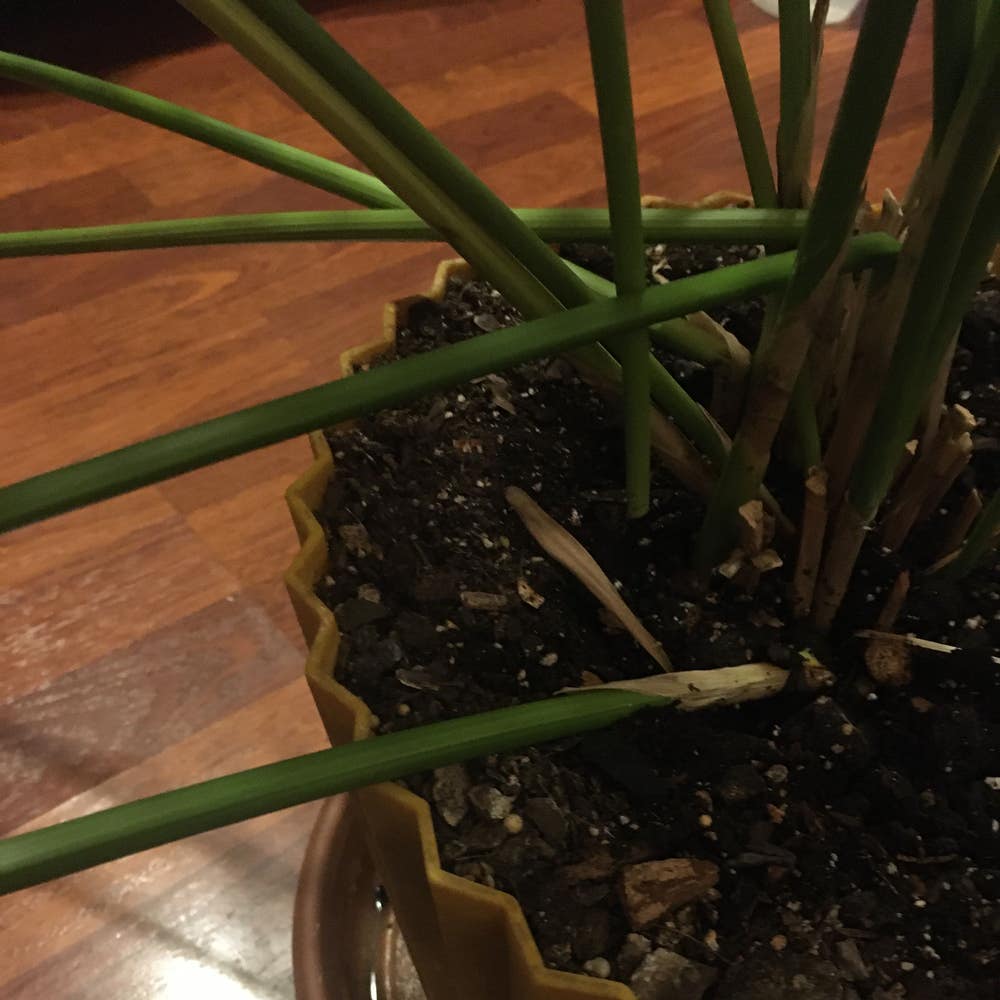
☂️ Dwarf Umbrella Plant Wilting: Causes and Solutions
Cyperus alternifolius 'Nanus'
By the Greg Editorial Team
Oct 22, 2024•5 min read
This article was created with the help of AI so we can cover more plants for you. May contain errors. See one? Report it here.
Transform your wilting Dwarf Umbrella Plant 🌱 into a thriving beauty with these essential care tips!
- 💧 Wilting indicates water stress; check for overwatering or underwatering signs.
- ☀️ Heat stress causes wilting; relocate to indirect light for relief.
- 🌱 Regular care and observation prevent wilting and promote Dwarf Umbrella Plant health.
Common Causes of Wilting Leaves
💧 Water Stress
Wilting leaves often signal water stress, which can stem from either overwatering or underwatering.
Overwatering
Symptoms: Look for yellowing leaves, soggy soil, and signs of root rot.
Causes: This usually happens due to poor drainage or watering too frequently.
Underwatering
Symptoms: Dry, crispy leaves and soil pulling away from the pot edges are telltale signs.
Causes: Infrequent watering or dry indoor air can lead to this condition.
🔥 Heat Stress
Heat stress can also cause your Dwarf Umbrella Plant to wilt.
Symptoms: Watch for leaf curling, browning edges, and drooping leaves.
Causes: Exposure to direct sunlight or high indoor temperatures can trigger these reactions.
🦠 Disease-Related Wilting
While uncommon, disease-related wilting can occur in Dwarf Umbrella Plants.
Pathogenic Wilt: This may arise from root rot or fungal infections.
Symptoms: Sudden wilting, darkened roots, and leaf drop are key indicators.
Understanding these common causes is crucial for keeping your Dwarf Umbrella Plant healthy. By recognizing the signs early, you can take action to revive your plant and prevent further issues. Next, we’ll explore how to diagnose wilting effectively.
Diagnosing Wilting
🌱 Step-by-Step Guide to Diagnose Wilting
Diagnosing wilting in your Dwarf Umbrella Plant starts with assessing soil moisture. Check the top inch of soil; if it feels dry, your plant may be underwatered. Conversely, if the soil is soggy, overwatering could be the issue.
Next, evaluate the environmental conditions. Look for direct sunlight exposure and take note of the indoor temperature, as both can significantly impact your plant's health.
Inspect the leaves for any signs of disease. Discoloration or spots can indicate underlying issues that need addressing.
Finally, consider any recent changes in care. Have you altered your watering schedule, light exposure, or temperature? These factors can contribute to wilting.
🌤️ Signs to Look for in Environmental Conditions
Pay attention to humidity levels, as the ideal range for Dwarf Umbrella Plants is between 40-60%.
Also, monitor temperature fluctuations. Avoid placing your plant near drafts or sudden heat sources, which can stress it further.
By carefully observing these factors, you can pinpoint the cause of wilting and take appropriate action. This proactive approach will help ensure your plant thrives in its environment.
Next, let’s explore effective solutions for reviving your wilting plant.
Solutions for Wilting Leaves
🌊 Addressing Water Stress
Overwatering can be a sneaky culprit behind wilting leaves. If you notice yellowing leaves and soggy soil, allow the soil to dry out before watering again. If root rot is present, repot the plant in fresh, well-draining soil to give it a fighting chance.
On the flip side, underwatering leads to dry, crispy leaves. To remedy this, water thoroughly until excess drains from the bottom. Establishing a consistent watering schedule will help prevent future issues.
☀️ Addressing Heat Stress
Heat stress can cause your Dwarf Umbrella Plant to droop and curl. If you spot these symptoms, consider relocating the plant to a spot with indirect light. Additionally, using a humidity tray or misting the leaves can help increase moisture and combat heat stress.
🦠 Addressing Disease-Related Wilting
Though uncommon, disease-related wilting can occur. If you see sudden wilting or darkened roots, remove any affected leaves to improve air circulation. If necessary, treat the plant with appropriate fungicides to tackle any fungal infections.
🌱 Techniques for Reviving a Wilted Plant
Reviving a wilted plant requires a few practical techniques. Start with the bottom watering method: place the pot in a shallow tray of water for about 30 minutes. This allows the roots to absorb moisture directly.
Next, consider temporarily relocating the plant to a cooler, shaded area until you notice recovery. Lastly, prune any damaged leaves using clean, sharp scissors to encourage new growth and improve the plant's overall health.
By addressing these issues promptly, you can help your Dwarf Umbrella Plant bounce back and thrive. Now, let’s explore preventive measures to keep your plant healthy and vibrant.
Preventive Measures
Best Practices to Minimize Wilting 🌱
To keep your Dwarf Umbrella Plant thriving, regularly check the soil moisture. Adjust your watering schedule based on the plant's needs to prevent both overwatering and underwatering.
Maintaining consistent humidity levels is crucial. Aim for a humidity range of 40-60% to create a comfortable environment for your plant.
Environmental Adjustments 🌞
Position your plant in a location with filtered light. This helps protect it from harsh sunlight that can lead to heat stress.
Avoid placing your Dwarf Umbrella Plant near heating vents or air conditioning units. These can create temperature fluctuations that stress the plant, leading to wilting.
By implementing these preventive measures, you can significantly reduce the risk of wilting and keep your plant healthy and vibrant. Next, let’s explore when it might be time to seek professional help for your plant care concerns.
When to Seek Help
🚨 Signs That Require Professional Assistance
If your Dwarf Umbrella Plant continues to wilt despite your best care efforts, it may be time to seek help. Persistent wilting can indicate underlying issues that you might not be able to address on your own.
Look out for signs of severe disease or pest infestation. If you notice unusual spots, discoloration, or pests on the leaves, these could be red flags that require expert intervention.
🌱 Resources for Plant Care Support
Local nurseries can be invaluable resources. Consulting with experts there can provide tailored advice specific to your plant's needs.
Additionally, online communities like Greg offer a wealth of support and guidance. Engaging with fellow plant enthusiasts can help you troubleshoot issues and share experiences, making plant care a more enjoyable journey.
By recognizing when to seek help, you can ensure your Dwarf Umbrella Plant receives the best possible care. This proactive approach not only enhances your plant's health but also deepens your connection to the world of indoor gardening.
⚠️ Safety First
This content is for general information and may contain errors, omissions, or outdated details. It is not medical, veterinary advice, or an endorsement of therapeutic claims.
Always consult a qualified healthcare professional before using any plant as food, medicine, or supplement.
Never eat any plant (or feed one to pets) without confirming its identity with at least two trusted sources.
If you suspect poisoning, call Poison Control (800) 222-1222, the Pet Poison Helpline (800) 213-6680, or your local emergency service immediately.
Spotted an error? Please report it here.
Revive your Dwarf Umbrella Plant and keep it thriving 🌿 with Greg's tailored watering alerts and humidity tips to prevent wilting and ensure vibrant growth!