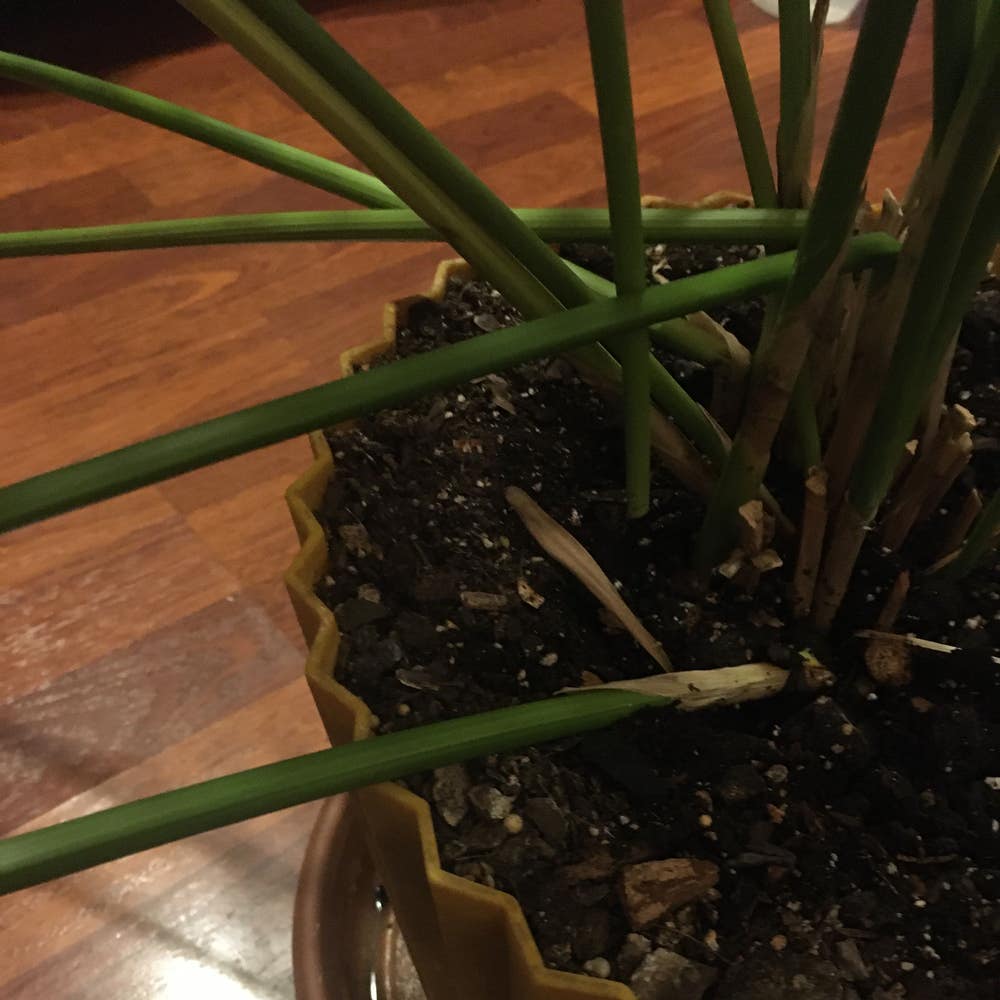
☂️ How to Fix Leaves Falling Over on Your Dwarf Umbrella Plant
Cyperus alternifolius 'Nanus'
By the Greg Editorial Team
Oct 22, 2024•6 min read
This article was created with the help of AI so we can cover more plants for you. May contain errors. See one? Report it here.
Transform your drooping dwarf umbrella plant into a lush beauty with these vital care tips! 🌿
- 💧 Overwatering and underwatering cause drooping; check soil moisture regularly.
- 🌞 Bright, indirect sunlight is essential; relocate for optimal growth.
- 🐛 Pests like spider mites weaken plants; use insecticidal soap for treatment.
Causes of Leaf Droop
💧 Overwatering and Its Effects
Overwatering is a common issue for dwarf umbrella plants. Symptoms include yellowing leaves, soft, mushy stems, and the dreaded root rot.
This condition reduces oxygen availability to the roots, making the plant more susceptible to diseases. If you notice these signs, it’s crucial to adjust your watering habits.
🚰 Underwatering and Its Symptoms
On the flip side, underwatering can also lead to drooping leaves. Look for crispy, brown leaf edges, soil pulling away from the pot edges, and wilting leaves.
These signs indicate stunted growth and increased stress on your plant. Addressing underwatering promptly can help revive your dwarf umbrella plant.
☀️ Insufficient Light Conditions
Dwarf umbrella plants thrive in bright, indirect sunlight. While they can tolerate low light, inadequate exposure can lead to weak, leggy growth and leaf drop due to energy deficiency.
If your plant seems to be drooping, consider its light conditions. A simple relocation might do wonders.
🌧️ High Humidity vs. Low Humidity
Humidity plays a vital role in the health of your plant. Dwarf umbrella plants thrive in humidity levels of 40-60%.
Low humidity can cause leaf droop and browning, while high humidity promotes healthy growth. However, excessive humidity can lead to fungal issues, so finding a balance is key.
🐛 Pest Infestations and Their Impact
Pests like spider mites and mealybugs can wreak havoc on your dwarf umbrella plant. Look for signs such as webbing on leaves or sticky residue, known as honeydew.
These pests weaken the plant structure and can lead to increased leaf drop. Regular inspections can help catch infestations early, ensuring your plant stays healthy.
Understanding these causes of leaf droop is the first step in restoring your dwarf umbrella plant's vitality. Next, we’ll explore how to diagnose the specific issues affecting your plant.
Diagnosing the Problem
Identifying Signs of Overwatering 🌊
To diagnose overwatering, start by checking the soil moisture levels. If the soil feels excessively wet, it’s a clear indicator that your plant is getting too much water.
Next, inspect the roots for health. Mushy or black roots signal root rot, a serious condition that can jeopardize your plant's survival. A moisture meter can provide accurate readings to help you assess the situation effectively.
Recognizing Signs of Underwatering 💧
Underwatering can be just as detrimental. Look for signs like completely dry soil and crispy, brittle leaf edges. These symptoms indicate that your plant is thirsty and needs immediate attention.
Assessing Light Exposure ☀️
Light exposure is crucial for your dwarf umbrella plant's health. Evaluate its location; it should ideally be near a window where it can receive at least six hours of indirect sunlight daily.
If your plant is in a dim area, consider relocating it to ensure it gets the light it needs to thrive.
Checking for Pests and Diseases 🐛
Pests can wreak havoc on your plant's health. Inspect the leaves and stems closely for any visible pests or webbing.
Also, check for discoloration or spots that may indicate disease. Early detection is key to preventing further damage and ensuring your plant remains vibrant and healthy.
With these diagnostic steps, you can pinpoint the issues affecting your dwarf umbrella plant. Next, let’s explore effective solutions and treatments to restore its health.
Solutions and Treatments
💧 Adjusting Watering Practices
Establishing a consistent watering schedule is crucial for your dwarf umbrella plant. Water when the top 1-2 inches of soil feel dry to the touch.
Using well-draining soil can prevent waterlogging, which is essential for root health. Ensure your pots have drainage holes to allow excess water to escape.
☀️ Improving Light Conditions
Relocating your plant to a brighter area can significantly enhance its health. Aim for bright, indirect sunlight while avoiding direct exposure to prevent leaf scorch.
If natural light is insufficient, consider using grow lights to supplement. This can provide the energy your plant needs to thrive.
🌫️ Increasing Humidity Levels
Boosting humidity is vital for your dwarf umbrella plant's well-being. You can use a humidifier in the room to maintain optimal moisture levels.
Another effective method is to place a tray of water with pebbles under the pot. Regularly misting the leaves can also help keep humidity levels up.
🐛 Treating Pest Infestations
Pest control is essential for maintaining your plant's health. Use insecticidal soap or neem oil to treat infestations effectively.
Regularly wiping the leaves can help remove pests and keep your plant looking its best. Early detection is key to preventing serious damage.
🌱 Soil Amendments for Better Drainage
Choosing the right soil mix can make a big difference. A combination of potting soil and perlite enhances aeration and drainage.
Consider adding sand to your soil mix for improved drainage. This will help prevent root rot and keep your plant healthy.
By implementing these solutions, you can effectively address the issues causing your dwarf umbrella plant's leaves to droop. Next, let’s explore preventive measures to keep your plant thriving in the long run.
Preventive Measures
Best Practices for Watering 🌊
Establishing a consistent watering routine is crucial for your Dwarf Umbrella Plant. Check the soil moisture weekly and adjust your watering frequency based on seasonal changes to keep your plant thriving.
Ideal Light Conditions for Growth ☀️
Light exposure plays a significant role in your plant's health. Rotate your Dwarf Umbrella Plant periodically to ensure even growth and monitor light levels with a light meter to maintain optimal conditions.
Maintaining Humidity Levels 💧
Humidity is key for your plant's well-being. Regularly check humidity levels using a hygrometer and adjust your methods based on seasonal changes to create a comfortable environment.
Regular Pest Inspections 🐛
Preventing pest infestations starts with vigilance. Schedule monthly checks to inspect leaves and stems for early signs of pests, and promptly remove any affected leaves to keep your plant healthy.
Seasonal Care Adjustments 🍂
Adapting your care routine to the seasons can make a big difference. Reduce watering during the winter months and increase humidity during dry seasons to support your Dwarf Umbrella Plant's growth.
By implementing these preventive measures, you can help ensure your Dwarf Umbrella Plant remains healthy and vibrant. Next, let’s explore how to diagnose any issues that may arise.
⚠️ Safety First
This content is for general information and may contain errors, omissions, or outdated details. It is not medical, veterinary advice, or an endorsement of therapeutic claims.
Always consult a qualified healthcare professional before using any plant as food, medicine, or supplement.
Never eat any plant (or feed one to pets) without confirming its identity with at least two trusted sources.
If you suspect poisoning, call Poison Control (800) 222-1222, the Pet Poison Helpline (800) 213-6680, or your local emergency service immediately.
Spotted an error? Please report it here.
Keep your dwarf umbrella plant thriving 🌱 by using Greg's tailored watering reminders and expert tips to ensure it gets the right light and humidity for vibrant growth!