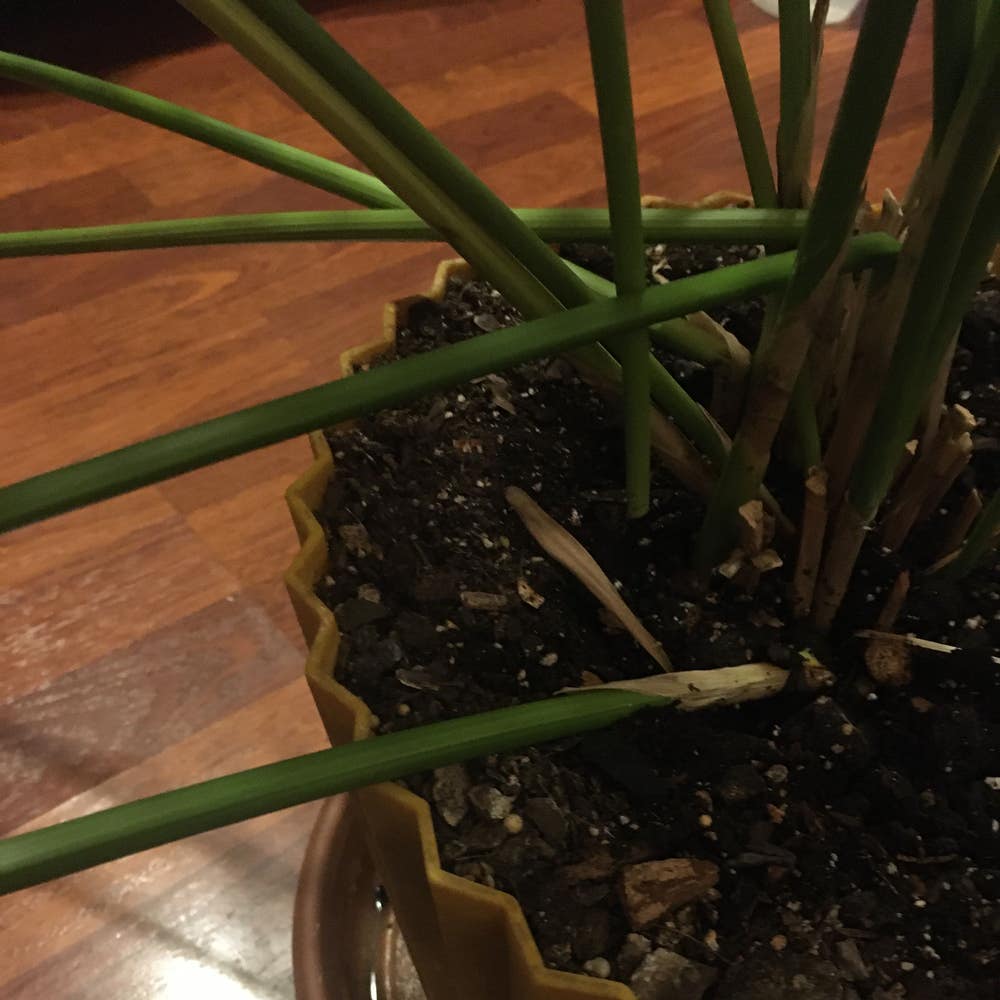
How to Cure Dropping Leaves on Your Dwarf Umbrella Plant 💧
Cyperus alternifolius 'Nanus'
By the Greg Editorial Team
Oct 22, 2024•4 min read
This article was created with the help of AI so we can cover more plants for you. May contain errors. See one? Report it here.
Master the art of plant care 🌱 and keep your Dwarf Umbrella Plant thriving by preventing leaf drop issues!
- 💧 Overwatering and underwatering cause leaf drop; check soil moisture regularly.
- 🌞 Bright, indirect light is essential; avoid direct sunlight to prevent leaf scorch.
- 🐛 Inspect for pests every two weeks to catch infestations early and protect your plant.
Diagnosing Leaf Drop Issues
🌊 Identifying Symptoms of Overwatering
Overwatering is a common issue for dwarf umbrella plants. Start by checking for soggy soil, which can lead to root rot.
Yellowing leaves and wilting are clear indicators that your plant is receiving too much water. If you notice these symptoms, it's time to reassess your watering habits.
💧 Identifying Symptoms of Underwatering
On the flip side, underwatering can also cause leaf drop. Assess the soil moisture; if it feels dry and crumbly, your plant is thirsty.
Crispy edges and drooping leaves are telltale signs that your dwarf umbrella plant needs a drink. Pay attention to these cues to keep your plant healthy.
🐛 Recognizing Signs of Pest Damage
Pests can wreak havoc on your plant, leading to leaf drop. Inspect the leaves for webbing or cotton-like substances, which indicate pest infestations.
Additionally, check for sticky residue on the leaves or unusual leaf drop patterns. These signs can help you catch pest problems early.
🌡️ Assessing Environmental Conditions
Environmental factors play a crucial role in your plant's health. Evaluate the light exposure; dwarf umbrella plants thrive in bright, indirect light.
Regularly monitor temperature and humidity levels to ensure they stay within the ideal range. A stable environment is key to preventing leaf drop.
By diagnosing these issues early, you can take proactive steps to keep your dwarf umbrella plant thriving. Next, let’s explore preventive measures to maintain its health.
Preventive Measures
Proper Watering Techniques 🌊
Watering your Dwarf Umbrella Plant correctly is crucial for its health. Always water thoroughly until you see it draining from the bottom of the pot.
Use the finger test to check soil moisture before watering. Stick your finger about an inch into the soil; if it feels dry, it’s time to water.
Ideal Humidity Levels 💧
Humidity plays a significant role in keeping your plant happy. Maintain humidity by misting the leaves regularly or placing a pebble tray filled with water beneath the pot.
Consider investing in a hygrometer to monitor humidity levels accurately. This tool can help you maintain the ideal environment for your plant.
Best Soil Mix for Drainage 🌱
Choosing the right soil mix is essential for drainage. A recommended blend is 2 parts potting soil, 1 part perlite, and 1 part orchid bark.
Ensure your pots have drainage holes to prevent waterlogging. This simple step can save your plant from root rot.
Light Requirements and Placement ☀️
Light exposure is vital for your Dwarf Umbrella Plant's growth. Aim for bright, indirect sunlight for about 6-8 hours daily.
Avoid placing your plant in direct sunlight, as this can lead to leaf scorch. Finding the right spot can make all the difference.
Regular Pest Inspections 🔍
Pests can sneak up on your plant if you're not careful. Schedule bi-weekly checks to catch any infestations early.
Using a magnifying glass can help you spot tiny pests that are otherwise easy to miss. Staying vigilant will keep your plant thriving.
By implementing these preventive measures, you can create a nurturing environment for your Dwarf Umbrella Plant. Next, let's explore effective treatment solutions to address any issues that may arise.
Treatment Solutions
Adjusting Watering Schedule 🌊
Creating a consistent watering schedule is crucial for your Dwarf Umbrella Plant. Use the Greg plant care app to set reminders tailored to your plant's needs and seasonal changes.
Adjust the frequency based on the plant's growth cycle. In warmer months, it may need more water, while cooler months require less.
Increasing Humidity 💧
Humidity is key to keeping your plant healthy. Here are some effective methods to boost humidity levels:
- Mist the leaves daily to provide moisture.
- Use a humidifier in the room for a consistent environment.
- Group your plants together to create a microclimate that retains humidity.
Pest Control Methods 🐜
Pests can wreak havoc on your Dwarf Umbrella Plant. Start with natural methods like neem oil or insecticidal soap to manage minor infestations.
For severe cases, consider chemical options such as systemic insecticides. Always follow the instructions carefully to protect your plant.
Fertilization Practices to Restore Health 🌱
To rejuvenate your plant, fertilization is essential. Use a balanced liquid fertilizer every 4-6 weeks during the growing season.
Make sure to follow the package instructions for proper dilution. This ensures your plant receives the nutrients it needs without the risk of over-fertilization.
Repotting Tips for Better Drainage 🪴
Repotting is necessary every 1-2 years or when your plant becomes root-bound. Choose a pot that is 1-2 inches larger in diameter to give your plant room to grow.
Follow these steps for effective repotting:
- Select fresh, well-draining soil.
- Carefully transfer your plant to the new pot.
- Water thoroughly after repotting to help it settle in.
With these treatment solutions, your Dwarf Umbrella Plant will thrive, reducing leaf drop and enhancing its overall health. Next, let’s explore preventive measures to keep your plant in top shape.
⚠️ Safety First
This content is for general information and may contain errors, omissions, or outdated details. It is not medical, veterinary advice, or an endorsement of therapeutic claims.
Always consult a qualified healthcare professional before using any plant as food, medicine, or supplement.
Never eat any plant (or feed one to pets) without confirming its identity with at least two trusted sources.
If you suspect poisoning, call Poison Control (800) 222-1222, the Pet Poison Helpline (800) 213-6680, or your local emergency service immediately.
Spotted an error? Please report it here.
Keep your dwarf umbrella plant leafy and lush 🌱 by using Greg's tailored watering reminders and expert tips to ensure it thrives without dropping leaves!