🌱 Dwarf Umbrella Plant: A Common Weed
Cyperus alternifolius 'Nanus'
By the Greg Editorial Team
Oct 22, 2024•7 min read
This article was created with the help of AI so we can cover more plants for you. May contain errors. See one? Report it here.
Uncover the Dwarf Umbrella Plant's invasive threat 🌱 and learn effective strategies to protect your garden!
- 🌱 Dwarf Umbrella Plant is a weed, rapidly spreading and outcompeting native flora.
- ⚠️ Its aggressive growth reduces biodiversity, impacting local ecosystems and property values.
- 🛠️ Effective control includes manual removal and monitoring to prevent regrowth.
Plant Classification
Definition of Weeds and Invasive Species 🌱
Weeds are unwanted plants that thrive in cultivated areas, often competing with the plants we actually want. They can quickly take over gardens, lawns, and agricultural fields, making them a nuisance for gardeners and farmers alike.
Invasive species, on the other hand, are non-native plants that spread rapidly and disrupt local ecosystems. They can outcompete native flora, leading to significant ecological imbalances.
Criteria for Classifying Dwarf Umbrella Plant as a Weed 🌿
The Dwarf Umbrella Plant meets several criteria that classify it as a weed.
First, its rapid spread allows it to quickly colonize new areas, making it a formidable presence in gardens and natural habitats.
Second, its competitive nature enables it to outcompete native plants for essential resources like sunlight, water, and nutrients.
Lastly, its ecological impact is significant; it alters habitats and reduces biodiversity, which can have long-term effects on local ecosystems.
Understanding these characteristics is crucial for effective management and control of this invasive species.
Identification
Key Identifying Features 🌿
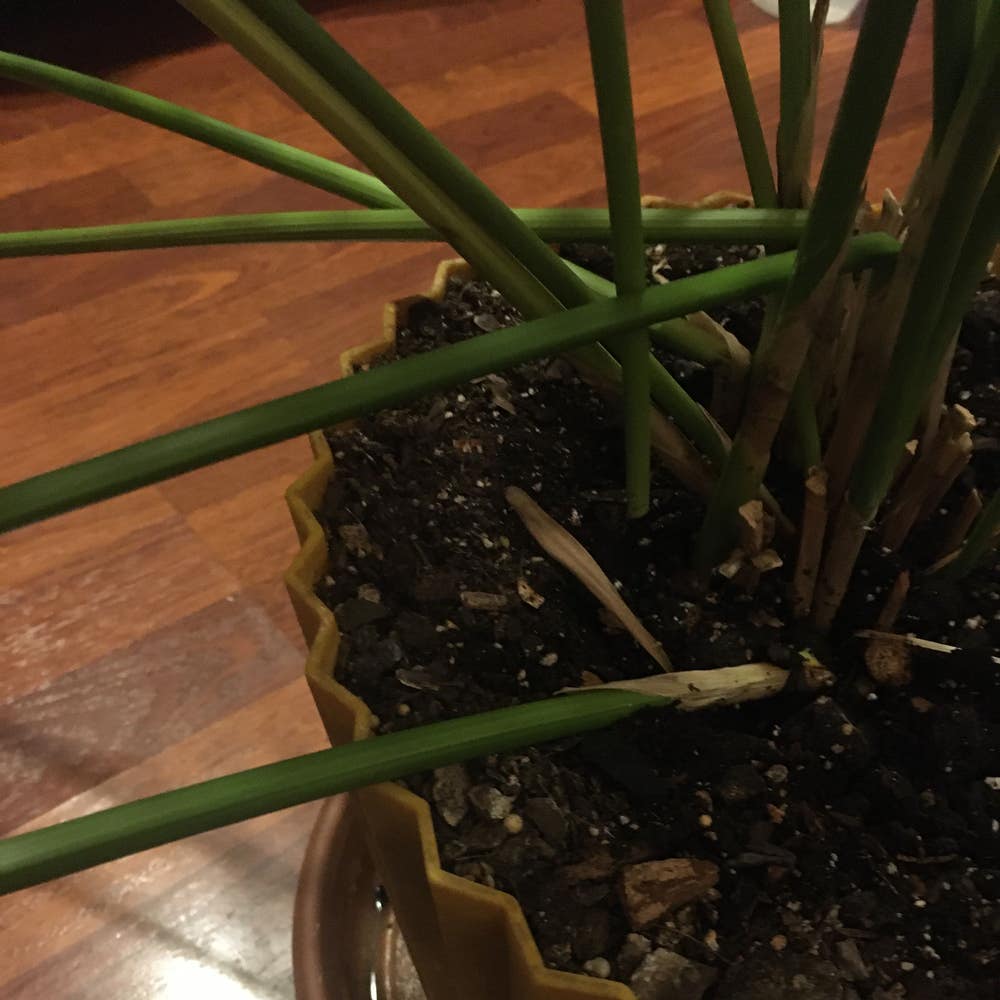
The Dwarf Umbrella Plant is easily recognized by its unique leaf structure. Its umbrella-like leaves are glossy green and typically measure between 6 to 12 inches in diameter.
In terms of growth habit, this plant can reach heights of 2 to 3 feet, presenting a bushy appearance that can dominate garden spaces. Additionally, it produces small, inconspicuous flowers that can lead to significant seed production, contributing to its rapid spread.
Look-Alike Plants and Distinguishing Characteristics 👀
When identifying the Dwarf Umbrella Plant, it's essential to compare it with similar species, such as other umbrella plants.
Key differences lie in leaf shape, growth habits, and habitat preferences. For instance, while some look-alikes may have similar leaf structures, the Dwarf Umbrella Plant's bushy growth and specific environmental needs set it apart.
Understanding these distinctions can help in effective identification and management of this invasive species.
As we delve deeper into its growth habits and spread, recognizing these features will be crucial for effective control strategies.
Growth Habits and Spread
🌱 Typical Growth Patterns
The dwarf umbrella plant is notorious for its rapid growth. It often forms dense colonies that can quickly take over an area.
This plant thrives in warm, moist conditions, making it a common sight in gardens and disturbed landscapes during the growing season.
🌼 Reproductive Strategies and Methods of Spread
This species employs both sexual and asexual reproduction strategies. It produces seeds that can disperse widely, contributing to its rapid spread.
Additionally, the dwarf umbrella plant can reproduce asexually through rhizomes, allowing new plants to sprout from the root system.
🌍 Environmental Conditions Favoring Growth
The dwarf umbrella plant is highly adaptable to various soil types. It can thrive in disturbed soils, making it resilient in changing environments.
Moisture levels also play a crucial role in its growth. This plant flourishes in both wet and moderately dry conditions, further enhancing its invasive potential.
Understanding these growth habits and environmental preferences is essential for effective management. By recognizing how the dwarf umbrella plant spreads, we can better strategize control measures and protect native ecosystems.
Ecological and Economic Impact
🌱 Effects on Native Plant Communities
The Dwarf Umbrella Plant competes aggressively for resources, which can significantly reduce the diversity of native flora. This competition alters habitats, changing soil composition and light availability, ultimately impacting the ecosystem's health.
🦋 Impact on Wildlife and Biodiversity
This invasive species disrupts food webs by altering habitats essential for native fauna. Additionally, it poses potential harm to pollinators and other beneficial insects, which rely on native plants for sustenance.
💸 Economic Losses Associated with Dwarf Umbrella Plant
Managing and removing the Dwarf Umbrella Plant incurs significant costs for landowners and municipalities. Furthermore, its presence can negatively impact property values in affected areas, making it a financial concern for many communities.
Understanding these ecological and economic impacts is crucial for effective management strategies. Next, we will explore control and management techniques to mitigate the Dwarf Umbrella Plant's spread.
Control and Management
Manual Removal Techniques 🌱
Manual removal is a straightforward yet effective method for controlling the Dwarf Umbrella Plant.
- Identify infested areas: Start by locating the densest patches of the plant.
- Use gloves and tools: Dig out the plant, ensuring you remove the rhizomes to prevent regrowth.
- Dispose of removed plants properly: This step is crucial; improper disposal can lead to new infestations.
Chemical Control Options 🧪
Chemical control can be effective but requires careful consideration.
- Types of herbicides: You’ll find both selective and non-selective options. Selective herbicides target specific plants, while non-selective ones affect all vegetation.
- Application methods: Timing is key; apply herbicides during the plant's active growth phase for the best results.
Biological Control Methods 🦠
Biological control offers a more natural approach to managing the Dwarf Umbrella Plant.
- Potential natural predators or pathogens: Research is ongoing to identify effective biological agents that can help curb its spread.
- Effectiveness and safety: Always consider the ecological impact of introducing new species into the environment.
Preventive Measures to Limit Spread 🚫
Preventing the spread of the Dwarf Umbrella Plant is essential for maintaining healthy ecosystems.
- Best practices for garden and landscape management: Regularly monitor your garden for new growth and maintain healthy competition among plants.
- Importance of monitoring and early intervention: Catching infestations early can save you a lot of trouble down the line.
Importance of Early Detection and Rapid Response 👀
Early detection is your best ally in managing invasive species.
- Strategies for identifying new infestations: Keep an eye out for unusual growth patterns or changes in your garden.
- Community involvement in monitoring efforts: Engage with local gardening groups to share information and resources.
By implementing these control and management strategies, you can help mitigate the impact of the Dwarf Umbrella Plant and protect your local ecosystem. Next, we’ll explore the legal status surrounding this invasive species and what it means for landowners and communities.
Legal Status
Overview of Laws and Regulations 🌍
Understanding the legal landscape surrounding the Dwarf Umbrella Plant is crucial. Both federal and state regulations address invasive species, aiming to protect native ecosystems.
These laws often include guidelines for management and control, ensuring that landowners are informed about their responsibilities. It's essential to stay updated on these regulations, as they can vary significantly by location.
Requirements for Removal or Control 📝
Local ordinances play a vital role in managing invasive species like the Dwarf Umbrella Plant. Communities often establish specific guidelines that dictate how to handle infestations.
Landowners and managers can access resources that provide detailed instructions on removal techniques and best practices. Engaging with local environmental groups can also offer valuable support.
Consequences of Non-Compliance ⚖️
Ignoring regulations can lead to serious consequences. Potential fines or penalties may be imposed for failing to manage invasive species effectively.
Beyond financial repercussions, non-compliance can harm local ecosystems and community health. It’s a collective responsibility to ensure that invasive plants do not disrupt our natural habitats.
By understanding the legal status of the Dwarf Umbrella Plant, we can take proactive steps to manage its spread and protect our environment. Next, we’ll explore the potential benefits or uses of this plant, despite its invasive nature.
Potential Benefits or Uses
🏺 Historical Uses
The Dwarf Umbrella Plant has found its place in traditional landscaping. Its unique appearance has made it a popular choice for ornamental applications in various gardens.
In some regions, this plant holds cultural significance, often being used in local customs and practices. Its aesthetic appeal has led to its inclusion in decorative arrangements, despite its invasive nature.
📉 Current Beneficial Uses, If Any
Today, the Dwarf Umbrella Plant has limited applications, such as erosion control in specific contexts. However, these benefits are overshadowed by its negative impacts on local ecosystems.
While it may serve a purpose in certain situations, the overall ecological disruption it causes far outweighs any advantages. It's crucial to recognize that managing its spread is more beneficial than attempting to utilize it.
In summary, while the Dwarf Umbrella Plant has historical and limited current uses, its invasive characteristics pose significant challenges. Understanding these dynamics helps in making informed decisions about its management and control.
As we move forward, let's explore the legal status surrounding this plant and the regulations that guide its control.
⚠️ Safety First
This content is for general information and may contain errors, omissions, or outdated details. It is not medical, veterinary advice, or an endorsement of therapeutic claims.
Always consult a qualified healthcare professional before using any plant as food, medicine, or supplement.
Never eat any plant (or feed one to pets) without confirming its identity with at least two trusted sources.
If you suspect poisoning, call Poison Control (800) 222-1222, the Pet Poison Helpline (800) 213-6680, or your local emergency service immediately.
Spotted an error? Please report it here.
Stay ahead of the Dwarf Umbrella Plant's invasion 🌿 by using Greg's smart identification and care tips to protect your garden and local ecosystem!