What to Do About Droopy Leaves on Your Dwarf Umbrella Plant ☂️
Cyperus alternifolius 'Nanus'
By the Greg Editorial Team
Oct 22, 2024•5 min read
This article was created with the help of AI so we can cover more plants for you. May contain errors. See one? Report it here.
Transform droopy leaves into lush growth 🌿 with these essential tips for your dwarf umbrella plant's health!
- 💧 Droopy leaves indicate overwatering or underwatering; check soil moisture immediately.
- 🌞 Bright, indirect sunlight is essential; avoid direct sun to prevent stress.
- 🌿 Humidity levels of 40-60% promote health; use humidifiers or pebble trays.
Causes of Droopy Leaves
💧 Overwatering: Signs and Solutions
Overwatering is a common issue for dwarf umbrella plants.
Signs of Overwatering
- Yellowing Leaves: This indicates root stress and can be a red flag.
- Wilting Despite Wet Soil: If your plant looks droopy but the soil is soggy, its roots are likely suffocating.
Solutions
- Allow Soil to Dry Out: Always check moisture levels before watering.
- Improve Drainage: Use well-draining soil and pots with drainage holes to prevent waterlogging.
- Repot if Necessary: If you suspect root rot, consider changing the soil to give your plant a fresh start.
🚰 Underwatering: Identifying and Fixing
Underwatering can also lead to droopy leaves, and it's essential to recognize the signs early.
Signs of Underwatering
- Crispy Leaf Edges: This is a clear indicator that your plant is thirsty.
- Soil Pulling Away from the Pot: If you notice this, your plant is experiencing extreme dryness.
Solutions
- Water Thoroughly: Make sure the water reaches the root zone for effective hydration.
- Establish a Consistent Watering Schedule: Regularly monitor moisture levels to keep your plant happy.
- Use Self-Watering Pots: These can help maintain consistent moisture levels, reducing the risk of underwatering.
🌫️ Humidity Levels: Importance and Adjustment
Humidity plays a crucial role in the health of your dwarf umbrella plant.
Ideal Humidity Requirements
- Optimal Levels: These plants thrive in humidity levels of 40-60%.
Adjusting Humidity
- Use a Humidifier: This can help maintain optimal humidity levels indoors.
- Group Plants Together: This increases local humidity through transpiration, benefiting all nearby plants.
- Mist Leaves: While this provides a temporary boost, it shouldn't replace regular watering.
☀️ Light Conditions: Optimal Levels for Health
Light conditions significantly impact the well-being of your dwarf umbrella plant.
Light Requirements
- Bright, Indirect Sunlight: This is the sweet spot; direct sunlight can scorch the leaves.
Adjusting Light Conditions
- Move to a Brighter Location: Ensure your plant gets adequate light without direct exposure.
- Rotate the Plant: This promotes even growth and prevents leaning, keeping your plant balanced.
Understanding these causes of droopy leaves is essential for maintaining a healthy dwarf umbrella plant. Next, we’ll dive into diagnosing droopy leaves, helping you pinpoint the exact issue your plant may be facing.
Diagnosing Droopy Leaves
👀 Visual Symptoms: What to Look For
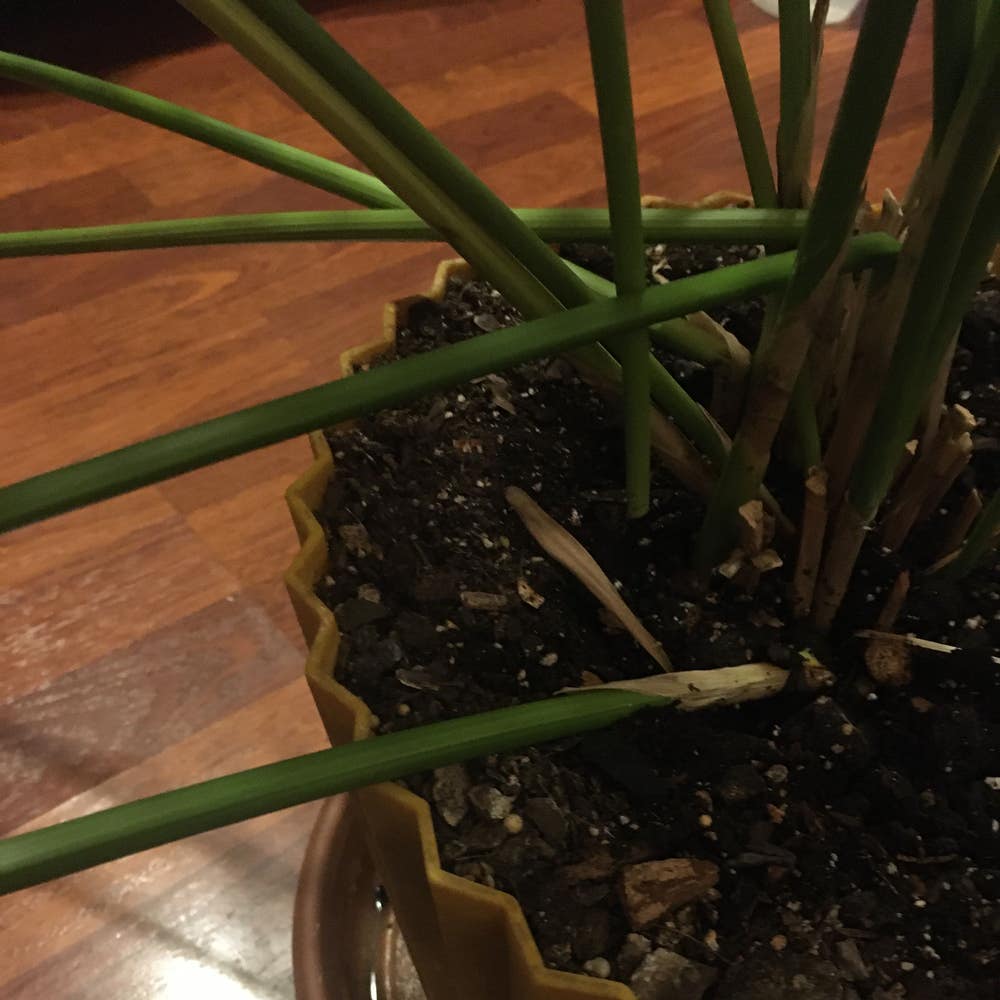
Droopy leaves can be a cry for help from your dwarf umbrella plant. Common signs of stress include leaf droop, which often indicates either overwatering or underwatering.
Another red flag is leaf discoloration. Yellowing or browning leaves can signal nutrient deficiencies or pest issues that need immediate attention.
🌡️ Environmental Factors: Temperature and Location
Temperature plays a crucial role in your plant's health. Dwarf umbrella plants thrive in temperatures between 60°F to 75°F (15°C to 24°C).
Assessing the plant's location is equally important. Avoid placing it in drafts or areas with extreme temperature fluctuations, as cold windows or heating vents can stress the plant.
🐛 Pest Infestation: Identifying Common Pests
Pests can wreak havoc on your plant's well-being. Common culprits include spider mites, which leave webbing and stippled leaves, and mealybugs, recognizable by their cotton-like masses on leaves and stems.
Signs of infestation can be alarming. Sudden leaf drop may indicate pest stress, while sticky residue, known as honeydew, can attract further issues, making it essential to act quickly.
Understanding these symptoms and environmental factors will set you on the right path to reviving your dwarf umbrella plant. Next, let’s explore how to prevent droopy leaves from becoming a recurring issue.
Preventing Droopy Leaves
🌊 Watering Schedule: Best Practices
Establishing a consistent watering routine is crucial for your Dwarf Umbrella Plant. Water when the top inch of soil is dry; using a moisture meter can help you gauge this accurately.
Adjust your watering frequency based on the season. During the growing season, your plant may need more frequent watering, while in winter, you can cut back.
💧 Humidity Control: Tools and Techniques
Maintaining the right humidity levels is essential for your plant's health. One effective method is to use pebble trays; simply fill trays with water and pebbles to boost local humidity.
Regularly monitor humidity levels with a hygrometer for precise measurements. This ensures your plant thrives in its ideal environment.
💡 Proper Lighting: Placement Tips
Optimal lighting is key to preventing droopy leaves. Position your Dwarf Umbrella Plant near east or west-facing windows to provide bright, indirect light.
Avoid placing it in south-facing windows, as direct sunlight can scorch the leaves. Proper light placement can make a significant difference in your plant's vitality.
By following these preventive measures, you can help your Dwarf Umbrella Plant stay healthy and vibrant. Next, let’s explore immediate actions to take if you notice droopy leaves.
Treating Droopy Leaves
Immediate Actions: What to Do First 🌱
Start by assessing your plant's watering needs. Check the soil moisture; if it's too wet or too dry, adjust your watering accordingly.
Next, inspect the leaves and stems for pests. If you spot any infestations, treat them promptly to prevent further damage.
Long-term Care: Adjusting Care Routines 📅
Establish a consistent care routine for your Dwarf Umbrella Plant. Regularly monitor light, water, and humidity levels, adjusting as needed based on seasonal changes.
During the growing season, don’t forget to fertilize. A balanced fertilizer every 4-6 weeks will help keep your plant healthy and thriving.
Recovery Signs: How to Know It's Working 🌿
Look for indicators of improvement, such as new growth. Fresh leaves emerging is a great sign that your plant is on the mend.
Also, check for leaf firmness. Healthy leaves should regain their turgidity and vibrant color.
Monitoring Progress 📊
To track your plant's recovery, keep a care journal. Document changes in watering, humidity, and light conditions to identify what strategies work best.
With these steps, you'll be well on your way to reviving your Dwarf Umbrella Plant and enjoying its lush beauty once again. Now, let’s explore how to prevent droopy leaves in the first place.
⚠️ Safety First
This content is for general information and may contain errors, omissions, or outdated details. It is not medical, veterinary advice, or an endorsement of therapeutic claims.
Always consult a qualified healthcare professional before using any plant as food, medicine, or supplement.
Never eat any plant (or feed one to pets) without confirming its identity with at least two trusted sources.
If you suspect poisoning, call Poison Control (800) 222-1222, the Pet Poison Helpline (800) 213-6680, or your local emergency service immediately.
Spotted an error? Please report it here.
Revive your dwarf umbrella plant and keep those leaves perky 🌿 with Greg's personalized care reminders that ensure optimal watering and humidity for thriving growth!