Dealing with Dichondra as a Weed
Dichondra spp.
By the Greg Editorial Team
Oct 31, 2024•8 min read
This article was created with the help of AI so we can cover more plants for you. May contain errors. See one? Report it here.
- 🌱 Dichondra spreads rapidly, forming dense mats that smother native plants.
- 🐦 Invasive Dichondra disrupts ecosystems, harming local wildlife and biodiversity.
- 🛠️ Effective management includes manual removal, herbicides, and preventive measures.
Plant Classification
Definition of Weeds and Invasive Species 🌱
Weeds are plants that grow where they are not wanted, often disrupting local ecosystems. Invasive species, on the other hand, are non-native plants that spread aggressively, causing harm to native species and ecosystems.
Criteria for Classifying Dichondra as a Weed 🌿
Dichondra is classified as a weed due to its rapid spread. It can quickly colonize areas, forming dense mats that smother other plants.
Its competitive nature allows it to outcompete native plants for essential resources like light, water, and nutrients. This aggressive behavior can significantly alter local ecosystems and reduce biodiversity.
Comparison with Other Common Weeds 🌾
Dichondra shares similarities with other invasive plants, such as crabgrass and bindweed. However, it differs in its growth habits and the specific ecological impacts it has on its surroundings.
While crabgrass may thrive in disturbed soils and bindweed can climb and choke out other plants, Dichondra primarily spreads horizontally, creating a thick carpet that can suffocate native flora. Understanding these distinctions is crucial for effective management and control strategies.
Identification
Key Identifying Features 🌿
Dichondra is easily recognized by its distinctive kidney-shaped leaves, which are a vibrant shade of green. This low-growing perennial forms dense mats that can quickly cover the ground, making it a formidable presence in gardens and landscapes.
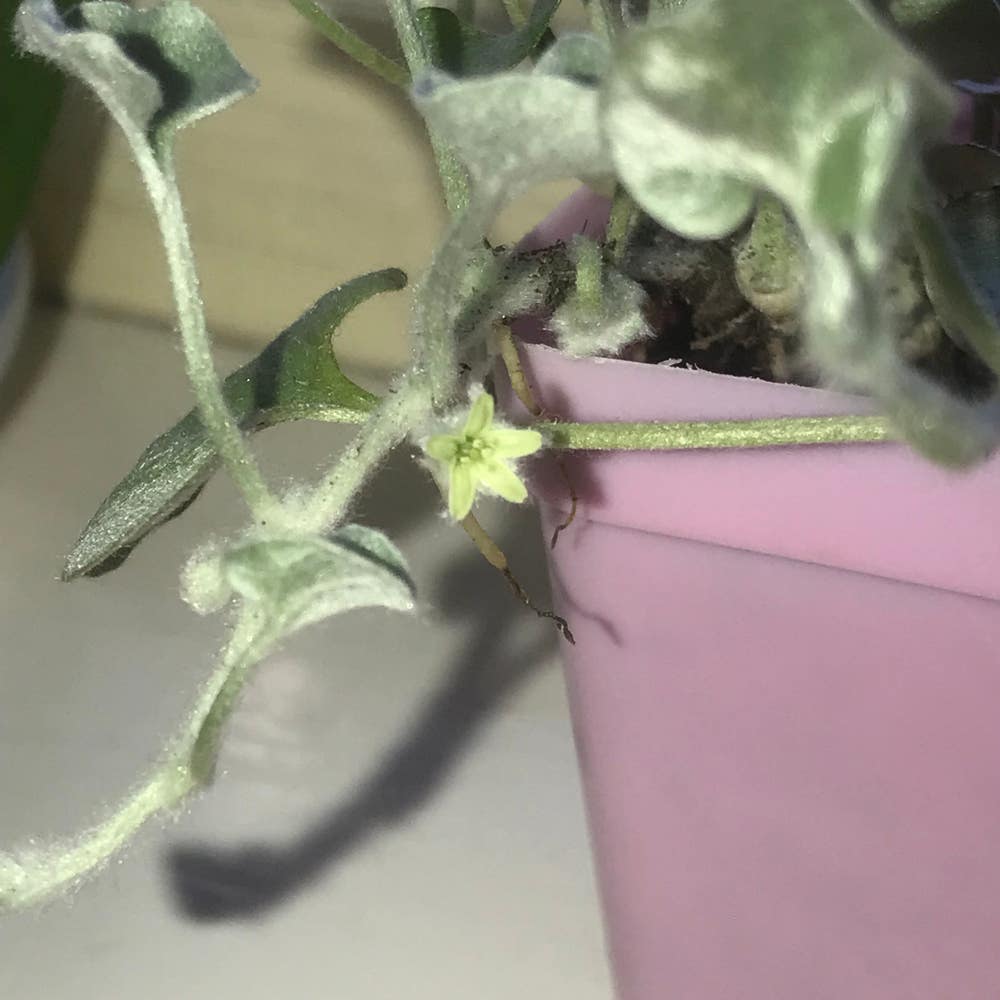
Another notable feature is its flowers. They are small and often inconspicuous, blending into the foliage and frequently overlooked. This subtlety can make identifying Dichondra a bit tricky, especially for those unfamiliar with its characteristics.
Look-Alike Plants and Distinguishing Characteristics 👀
When identifying Dichondra, it's essential to differentiate it from similar plants. One common look-alike is creeping thyme, which shares a similar growth habit but has small, round leaves and striking purple flowers.
Another plant to consider is clover, which features tri-foliate leaves. You can distinguish clover from Dichondra by examining the leaf shape and overall growth pattern, as clover tends to grow in clusters rather than forming dense mats.
Understanding these identifying features and look-alikes is crucial for effective management of Dichondra in your garden. By recognizing this plant early, you can take steps to control its spread and protect your native flora.
Next, we will explore the growth habits and spread of Dichondra, providing insights into how it proliferates in various environments.
Growth Habits and Spread
🌱 Typical Growth Patterns
Dichondra is known for its low growth habit, forming dense mats that can easily smother surrounding plants. This aggressive growth allows it to thrive in warm weather, while it becomes dormant during the colder months.
🌾 Reproductive Strategies
One of the key factors in Dichondra's spread is its impressive seed production. It can produce numerous seeds that remain viable in the soil for extended periods, ensuring its persistence in various environments.
Additionally, Dichondra propagates vegetatively through stolons and runners. This method allows it to rapidly colonize new areas, making it a formidable presence in gardens and landscapes.
🌍 Environmental Conditions Favoring Spread
Dichondra thrives in a variety of soil types, including both sandy and clay soils. Its adaptability to different moisture conditions is another factor that contributes to its spread, as it prefers well-drained soils but can tolerate a range of moisture levels.
Understanding these growth habits and reproductive strategies is crucial for effective management. By recognizing how Dichondra spreads, you can take proactive steps to control its growth and protect your garden from its invasive tendencies.
Next, we will explore the ecological impact of Dichondra on native plant communities and wildlife.
Ecological Impact
🌱 Effects on Native Plant Communities
Dichondra poses a significant threat to native plant communities by aggressively competing for essential resources. This competition reduces biodiversity, as it often outcompetes native species for light, water, and nutrients.
Moreover, Dichondra alters the habitat structure, which can disrupt the delicate balance of local ecosystems. As it forms dense mats, it can smother other plants, leading to a decline in native flora and a shift in the overall composition of the plant community.
🦋 Impact on Wildlife and Biodiversity
The displacement of native flora due to Dichondra can have cascading effects on local wildlife. As native plants decline, the food sources and habitats for various animal species are altered, potentially leading to a decrease in wildlife populations.
While some wildlife may find Dichondra useful, such as certain insects or small mammals, the overall impact on biodiversity is negative. The dominance of this invasive plant can lead to a less resilient ecosystem, making it crucial to manage its spread effectively.
In summary, while Dichondra may offer some benefits to specific wildlife, its presence generally undermines the health and diversity of ecosystems. Understanding these impacts is vital for anyone looking to maintain a balanced and thriving environment.
As we explore control and management strategies next, it’s essential to consider how our actions can mitigate these ecological impacts.
Control and Management
🌱 Manual Removal Techniques
To effectively manage Dichondra, manual removal is a practical approach. You'll need hand tools like trowels, hoes, or specialized weeders to tackle this invasive plant.
- Identify infested areas: Start by locating patches of Dichondra in your garden or lawn.
- Remove plants by hand: Carefully pull out the plants, ensuring that you extract the roots completely to prevent regrowth.
- Dispose of removed plants properly: Place the removed plants in a sealed bag or compost bin to avoid re-establishing them in your garden.
🧪 Chemical Control Options
If manual removal isn't enough, chemical control can be effective. Herbicides like glyphosate are commonly used against Dichondra.
- Types of herbicides: Look for systemic herbicides that target broadleaf plants.
- Application methods: Apply herbicides during warm weather for optimal effectiveness, following the manufacturer's instructions for timing and technique.
🦠 Biological Control Methods
Exploring biological control methods can provide a sustainable solution. Research is ongoing into natural predators that could help manage Dichondra populations.
- Natural predators: Investigate potential insects or pathogens that specifically target Dichondra.
- Companion planting: Introduce competitive native plants that can outcompete Dichondra for resources, reducing its spread.
🚫 Preventive Measures to Limit Spread
Prevention is key in managing Dichondra effectively. Implementing cultural practices can significantly reduce its establishment.
- Cultural practices: Regular mowing and maintaining healthy lawns can help keep Dichondra at bay.
- Landscape design: Incorporate native plants into your garden to create a competitive environment that discourages Dichondra growth.
🔍 Importance of Early Detection and Rapid Response
Early detection is crucial in controlling Dichondra. Regular monitoring can help you catch infestations before they spread.
- Monitoring strategies: Conduct regular inspections of your garden to identify early signs of Dichondra.
- Quick action: If you spot Dichondra, take immediate steps to remove it and prevent further spread.
By employing these control and management strategies, you can effectively combat Dichondra and protect your garden's health. Transitioning to the next topic, let's explore the legal status surrounding Dichondra management and what it means for gardeners and land managers.
Legal Status
Requirements for Removal or Control in Specific Regions 🌍
In many areas where Dichondra is prevalent, landowners face specific mandates regarding its removal or control. These regulations are often put in place to protect local ecosystems from the invasive nature of this plant.
Failure to comply with these mandates can lead to penalties, making it crucial for property owners to stay informed about local laws. Understanding these requirements not only helps in maintaining compliance but also contributes to the overall health of the environment.
Implications for Gardeners and Land Managers 👩🌾
Gardeners and land managers have a significant responsibility when it comes to managing Dichondra on both private and public lands. They must be proactive in monitoring and controlling its spread to prevent ecological disruption.
Fortunately, various resources are available to assist in these control efforts. Local extension services, gardening clubs, and online forums can provide valuable information and support for effective management strategies.
By staying informed and engaged, gardeners can play a vital role in preserving biodiversity and maintaining healthy ecosystems.
Potential Benefits or Uses
🌿 Historical Uses in Landscaping
Dichondra has a rich history as a popular ground cover in ornamental gardens. Its ability to create lush, green carpets makes it an attractive choice for homeowners looking to enhance their landscapes.
Additionally, Dichondra is beneficial in specific environments, particularly for erosion control. Its dense mats help stabilize soil, preventing runoff and protecting against soil degradation.
⚖️ Current Beneficial Uses and Their Limitations
Today, Dichondra finds limited applications in low-maintenance landscapes. Its resilience and low growth habit appeal to those seeking a less demanding gardening experience.
However, it’s essential to weigh these benefits against its potential negative impacts on ecosystems. While it can serve a purpose, its invasive nature often leads to more harm than good, outcompeting native flora and disrupting local biodiversity.
In summary, while Dichondra has its uses, careful consideration is necessary to ensure that its benefits do not come at the expense of ecological balance. As we explore further, understanding its ecological impact will shed light on the importance of managing this plant effectively.
⚠️ Safety First
This content is for general information and may contain errors, omissions, or outdated details. It is not medical, veterinary advice, or an endorsement of therapeutic claims.
Always consult a qualified healthcare professional before using any plant as food, medicine, or supplement.
Never eat any plant (or feed one to pets) without confirming its identity with at least two trusted sources.
If you suspect poisoning, call Poison Control (800) 222-1222, the Pet Poison Helpline (800) 213-6680, or your local emergency service immediately.
Spotted an error? Please report it here.
Combat Dichondra invasions 🌱 with Greg's tailored tips and community insights, empowering you to protect your garden and nurture local ecosystems!