10 Facts About Dichondra Lifecycle
Dichondra spp.
By the Greg Editorial Team
Oct 31, 2024•5 min read
This article was created with the help of AI so we can cover more plants for you. May contain errors. See one? Report it here.
- 🌱 Dichondra seeds remain viable for years under proper conditions, ensuring future growth.
- 🌞 Optimal germination temperature is 20°C to 25°C; provide well-draining soil for success.
- 🌼 Dichondra flowers bloom in late spring, crucial for seed production and propagation.
Seed and Germination Stage
🌱 Description of Seed Characteristics
Dichondra seeds are small, round, and light in color, making them easy to overlook. Remarkably, these seeds can remain viable for several years if kept in the right conditions.
🌡️ Germination Process and Conditions
For successful germination, Dichondra seeds thrive at an optimal temperature between 20°C to 25°C (68°F to 77°F). They prefer well-draining soil that maintains moderate moisture and require light to germinate effectively.
⏳ Duration of Germination Stage
Under ideal conditions, you can expect the germination stage to last between 7 to 14 days. This quick turnaround sets the stage for the next exciting phase of growth.
With a solid understanding of the seed and germination stage, we can now explore the seedling stage, where the young plants begin to take shape and establish themselves.
Seedling Stage
🌱 Development of seedlings
The seedling stage is crucial for Dichondra, marking the transition from seed to a young plant. Initially, seedlings develop cotyledons, which are the first leaves, followed by true leaves that resemble the mature plant.
🍃 Leaf characteristics
These early leaves are small and round, giving the seedlings a distinctive appearance. This leaf shape is a precursor to the lush ground cover that Dichondra will eventually provide.
🌤️ Environmental requirements for seedlings
To thrive, seedlings need specific environmental conditions.
Light
They flourish in full sun to partial shade, making them versatile for various garden settings.
Watering
Consistent moisture is essential, but be cautious of waterlogging, which can hinder growth.
Soil
Fertile, well-draining soil supports early growth, ensuring the seedlings have the nutrients they need to establish strong roots.
⏳ Duration of seedling stage
The seedling stage typically lasts about 3 to 6 weeks. During this time, the seedlings become established and ready to transition into the vegetative growth stage.
As they grow, they set the foundation for the lush, vibrant mats of Dichondra that can transform any landscape. Next, we’ll explore the vegetative growth stage, where these seedlings really start to spread their wings.
Vegetative Growth Stage
🌱 Characteristics of vegetative growth
Dichondra enters a vibrant phase during its vegetative growth stage. This stage is marked by a spreading growth habit, where the plant forms dense mats that create a lush ground cover.
As the leaves develop, they increase in size and density, enhancing the plant's ability to cover the ground effectively. These small, round leaves contribute to the overall aesthetic appeal of Dichondra, making it a popular choice for landscaping.
⚡️ Factors influencing growth rate
Several factors play a crucial role in the growth rate of Dichondra. First, soil fertility is essential; nutrient-rich soil can significantly promote faster growth.
Water availability is another key factor. Regular watering ensures that the plant establishes itself quickly and thrives.
Temperature also impacts growth; optimal conditions range from 20°C to 30°C (68°F to 86°F), where the plant can flourish.
⏳ Duration of vegetative growth stage
The vegetative growth stage typically lasts between 6 to 12 months. This duration can vary based on environmental conditions, including light, temperature, and moisture levels.
Understanding these factors can help you cultivate a thriving Dichondra, ensuring it reaches its full potential in your garden. As we move forward, let’s explore the flowering stage and its unique characteristics.
Flowering Stage
Description of flowering in Dichondra 🌸
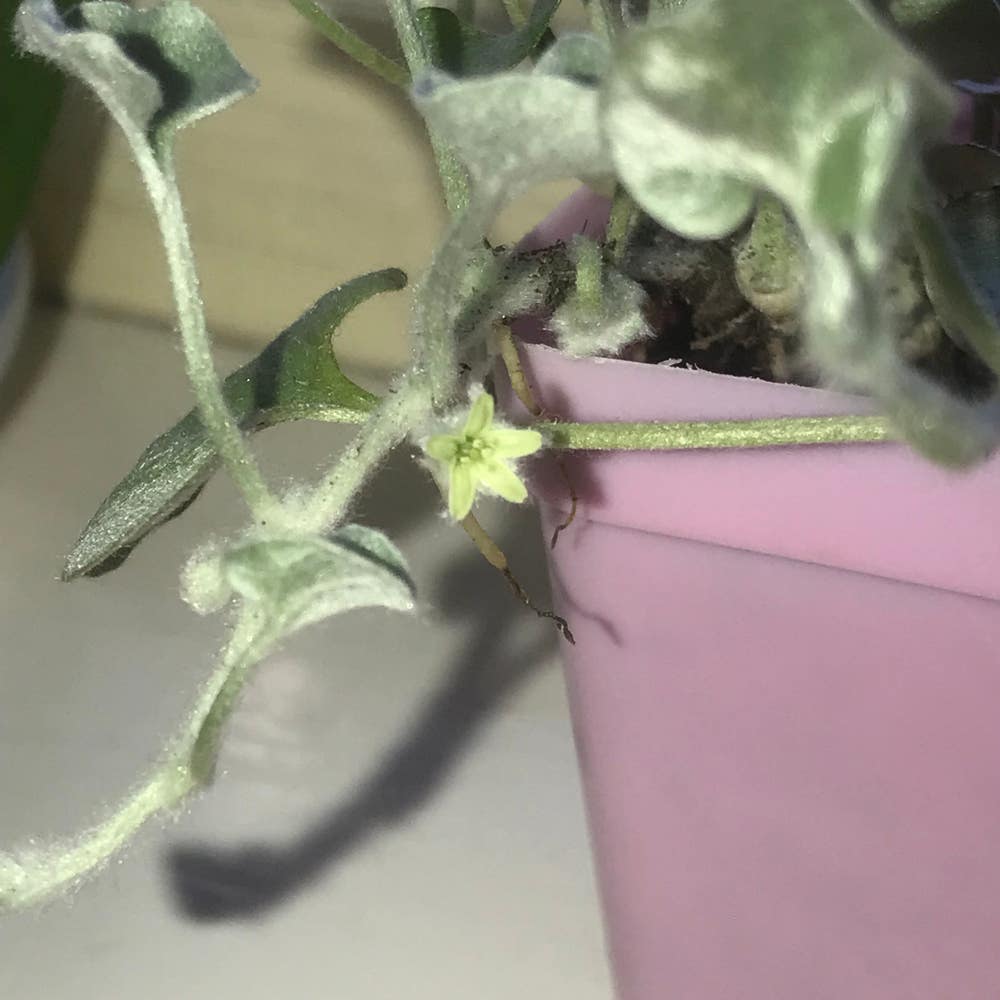
Dichondra produces small, inconspicuous flowers that often go unnoticed among its lush foliage. These delicate blooms typically appear in late spring to early summer, adding a subtle charm to the landscape.
Pollination and reproductive strategies 🐝
The flowering process is primarily self-pollinating, ensuring that the plant can reproduce even in isolation. However, Dichondra can also attract pollinators, enhancing its reproductive success through both sexual reproduction via seeds and asexual reproduction through vegetative propagation.
Duration of flowering stage ⏳
The flowering stage lasts about 2 to 4 weeks, influenced by environmental factors such as temperature and moisture. This brief period is crucial for seed production, setting the stage for the next lifecycle phase.
As we transition from the flowering stage, it's essential to understand how Dichondra produces and matures its seeds, ensuring the continuation of its lifecycle.
Seed Production and Maturation
🌱 Process of Seed Production
Seed production in Dichondra begins after successful pollination of its small, often overlooked flowers. Once pollinated, the flowers develop seeds, which are crucial for the plant's lifecycle.
🌬️ Seed Dispersal Mechanisms
After formation, seeds are dispersed by natural elements like wind and water. This method of propagation allows Dichondra to spread and establish itself in new areas, enhancing its resilience.
⏳ Maturation Time for Seeds
Seeds typically take about 4 to 6 weeks to mature after flowering. This timeframe is essential for ensuring that the seeds are viable and ready for the next generation.
🌿 Overall Lifespan of Dichondra
Dichondra generally has a lifespan of 3 to 5 years, influenced by environmental conditions and care. Factors such as soil quality, water availability, and effective pest management play a significant role in determining how long these plants thrive.
⚖️ Factors Affecting Lifespan
Maintaining optimal soil conditions and consistent watering can extend the lifespan of Dichondra. Additionally, proactive pest management helps protect the plant from potential threats, ensuring it remains healthy and vibrant.
As we explore the lifecycle of Dichondra, understanding its seed production and maturation processes highlights the resilience and adaptability of this remarkable plant. Next, we will delve into the flowering stage, where the beauty of Dichondra truly comes to life.
⚠️ Safety First
This content is for general information and may contain errors, omissions, or outdated details. It is not medical, veterinary advice, or an endorsement of therapeutic claims.
Always consult a qualified healthcare professional before using any plant as food, medicine, or supplement.
Never eat any plant (or feed one to pets) without confirming its identity with at least two trusted sources.
If you suspect poisoning, call Poison Control (800) 222-1222, the Pet Poison Helpline (800) 213-6680, or your local emergency service immediately.
Spotted an error? Please report it here.
Unlock the secrets of Dichondra's lifecycle and watch it flourish 🌿 with Greg's tailored care tips and watering reminders that keep your plant thriving for years!