📅 Why Dichondra Is Not an Annual
Dichondra spp.
By the Greg Editorial Team
Oct 31, 2024•6 min read
This article was created with the help of AI so we can cover more plants for you. May contain errors. See one? Report it here.
- 🌱 Dichondra is a perennial, thriving year after year with unique genetics.
- 🌿 It survives winter dormancy, returning vibrantly in spring unlike annuals.
- 💧 Deep roots and small leaves minimize water loss, ensuring hydration during dry spells.
Dichondra's Perennial Nature
🌱 Genetic Characteristics
Dichondra is classified as a perennial due to its unique genetic makeup. Its chromosome structure supports longevity, allowing it to thrive year after year.
This plant has developed specific adaptations that enhance its survival across various seasons. These traits enable Dichondra to withstand environmental challenges, making it a resilient choice for gardeners.
🌿 Physiological Traits Supporting Perennial Growth
One of the key features of Dichondra is its deep and extensive root system. This allows the plant to efficiently absorb nutrients and water, crucial for its survival.
Additionally, Dichondra's small, round leaves are designed to minimize water loss. This leaf structure is vital for maintaining hydration, especially during dry spells.
Dichondra excels at photosynthesis, capturing energy efficiently for sustained growth. This capability supports its perennial nature, allowing it to flourish even in less-than-ideal conditions.
⏳ Long-Term Lifecycle
Dichondra undergoes a distinct lifecycle that includes germination, establishment, dormancy, and regrowth. Each stage is essential for its development and overall health.
Its longevity is impressive; Dichondra can survive winter conditions and return vibrantly in spring. This ability to endure cold months sets it apart from many annual plants.
While its establishment phase may be slow, Dichondra demonstrates robust long-term growth. Once rooted, it can spread and thrive, providing a lush ground cover for years to come.
As we explore Dichondra's growth and reproductive strategies, we’ll see how its unique characteristics contribute to its success in various environments.
Growth and Reproductive Strategies
🌱 Growth Patterns Compared to Annuals
Dichondra exhibits a unique spreading habit, forming a low-growing, ground-covering mat. Unlike annuals that complete their lifecycle in one season, Dichondra thrives actively during warm months and enters dormancy in colder periods.
🌼 Flowering Cycles and Seed Production
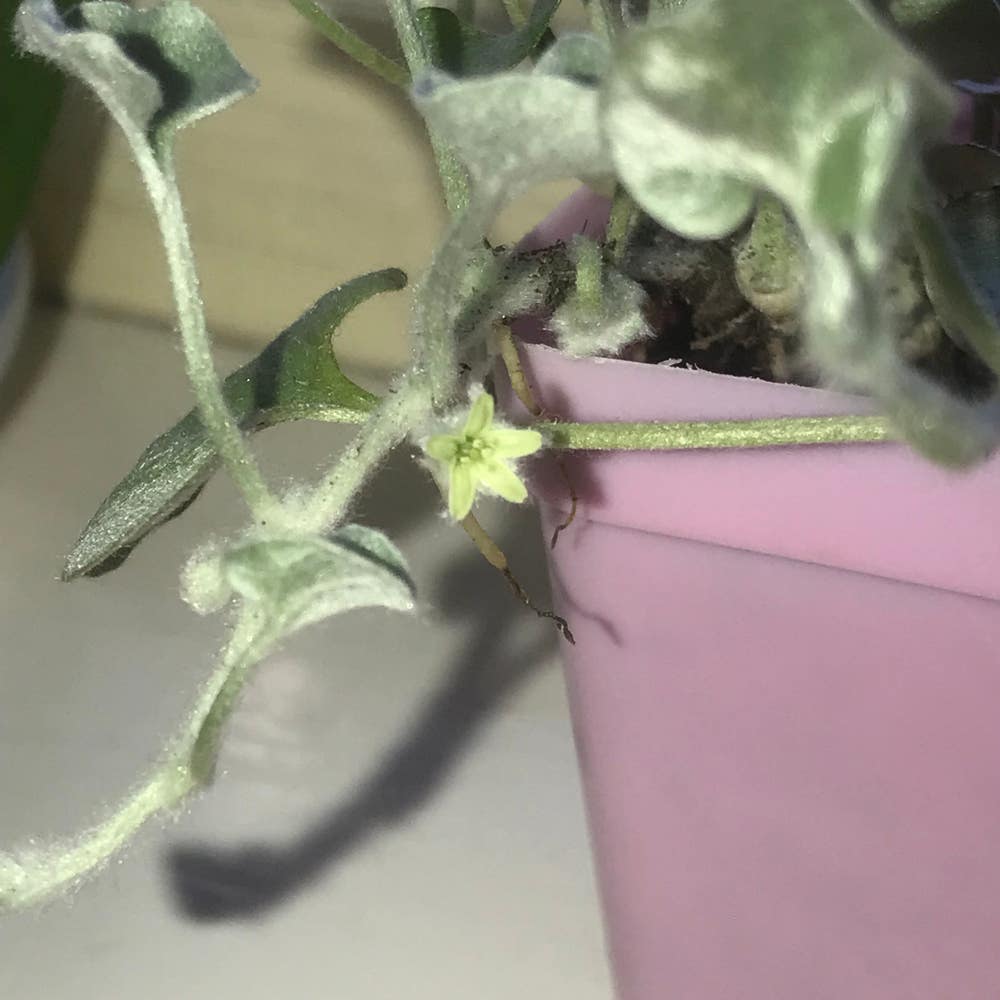
The flowering characteristics of Dichondra are subtle, featuring small, inconspicuous flowers that often go unnoticed. Seed production occurs under specific conditions, with timing playing a crucial role in ensuring optimal seed set.
🌸 Comparison with Annuals
When compared to annuals, Dichondra's flowering frequency and abundance are notably different. Annuals tend to produce a profusion of blooms throughout their short lifecycle, while Dichondra's flowering is more restrained and less frequent.
🔄 Reproductive Strategies
Dichondra employs both asexual and sexual reproduction strategies. It spreads through runners and stolons, allowing it to cover ground efficiently.
🌱 Sexual Reproduction
In addition to asexual methods, Dichondra also produces seeds. The conditions for germination are essential, as they determine the success of new plant establishment.
💪 Resilience
One of Dichondra's standout features is its resilience. It can regenerate from both roots and runners, ensuring its survival even in challenging conditions. This ability to bounce back makes it a reliable choice for gardeners seeking a hardy ground cover.
As we explore the misconceptions surrounding Dichondra's classification, it's essential to understand how its growth and reproductive strategies contribute to its perennial nature.
Misconceptions and Exceptions
🌱 Conditions Where Dichondra May Be Treated as an Annual
While Dichondra is inherently a perennial plant, certain conditions can lead to its treatment as an annual. Extreme cold or prolonged drought can stress the plant, causing it to die back and giving the impression that it is not returning.
Additionally, poor management practices can contribute to its decline. Over-fertilization or inadequate care can weaken the plant, making it susceptible to environmental stressors.
🌍 Regional Variations Affecting Classification
Dichondra's classification can also vary based on regional factors. Different hardiness zones significantly impact its growth, with some areas experiencing harsher winters that can affect its survival.
Soil conditions play a crucial role as well. Dichondra adapts to various soil types, but poor drainage or nutrient-deficient soils can hinder its longevity and health.
❓ Common Misconceptions About Lifecycle
Many misconceptions surround Dichondra's lifecycle, particularly regarding its dormancy. Some may confuse its natural dormancy with the die-off typical of annual plants, leading to misunderstandings about its resilience.
Furthermore, there is a perception that Dichondra is a short-lived plant. In reality, it can thrive for many years when properly cared for, showcasing its true perennial nature.
Understanding these misconceptions helps gardeners appreciate Dichondra's unique qualities and ensures they provide the right care for this resilient ground cover.
As we move forward, let’s explore how to effectively design gardens that incorporate Dichondra, maximizing its benefits and aesthetic appeal.
Garden Design and Planning
🌼 Advantages in Garden Design
Dichondra offers a unique aesthetic appeal as a low-maintenance ground cover. Its lush, green foliage creates visual interest while requiring minimal upkeep.
Beyond beauty, Dichondra provides significant environmental benefits. It effectively controls erosion and creates habitats for beneficial wildlife, making it a smart choice for eco-conscious gardeners.
🌱 Planting Strategies for Longevity
To ensure your Dichondra thrives, consider optimal spacing and layout. Planting them about 12 to 24 inches apart allows for their natural spreading habit, promoting healthy growth.
Soil preparation is crucial for longevity. Ensure the soil is well-draining to support the extensive root system, which is vital for nutrient and water absorption.
🌿 Companion Planting
Choosing suitable companions can enhance your garden's health and beauty. Plants like ornamental grasses or low-growing perennials thrive alongside Dichondra, creating a harmonious landscape.
Companion planting offers additional benefits, such as natural pest control and improved growth rates. This synergy can lead to a more vibrant and resilient garden ecosystem.
As you plan your garden, keep these strategies in mind to maximize the potential of Dichondra. With the right design and care, it can flourish beautifully, setting the stage for the next topic on management and care tips.
Management and Care Tips
Best Practices for Managing as a Perennial 🌱
Maintaining Dichondra as a perennial requires consistent care. Start with effective watering techniques to ensure the soil remains moist but not waterlogged.
Fertilization is also key. A balanced nutrient schedule supports sustained growth, helping your Dichondra thrive throughout the seasons.
Tips for Maximizing Growth in Different Climates ☀️
Adjusting your care practices based on local climate conditions is essential. For instance, in hotter areas, you may need to increase watering frequency to combat heat stress.
Seasonal adjustments are equally important. Prepare for winter dormancy by reducing watering and protecting the roots, while gearing up for spring growth with appropriate fertilization.
Seasonal Considerations for Maintenance 🍂
Spring is a crucial time for care. Focus on stimulating early growth and managing weeds to give your Dichondra a strong start.
As fall approaches, prepare your plants for dormancy. This includes protecting the roots and ensuring they are ready to weather the colder months ahead.
With these management and care tips, your Dichondra will flourish as a resilient perennial, bringing beauty and sustainability to your garden. Next, let’s explore how to incorporate Dichondra into your garden design effectively.
⚠️ Safety First
This content is for general information and may contain errors, omissions, or outdated details. It is not medical, veterinary advice, or an endorsement of therapeutic claims.
Always consult a qualified healthcare professional before using any plant as food, medicine, or supplement.
Never eat any plant (or feed one to pets) without confirming its identity with at least two trusted sources.
If you suspect poisoning, call Poison Control (800) 222-1222, the Pet Poison Helpline (800) 213-6680, or your local emergency service immediately.
Spotted an error? Please report it here.
Unlock the secret to thriving Dichondra gardens 🌿 with Greg's tailored care tips and reminders, ensuring your perennial beauty flourishes season after season!