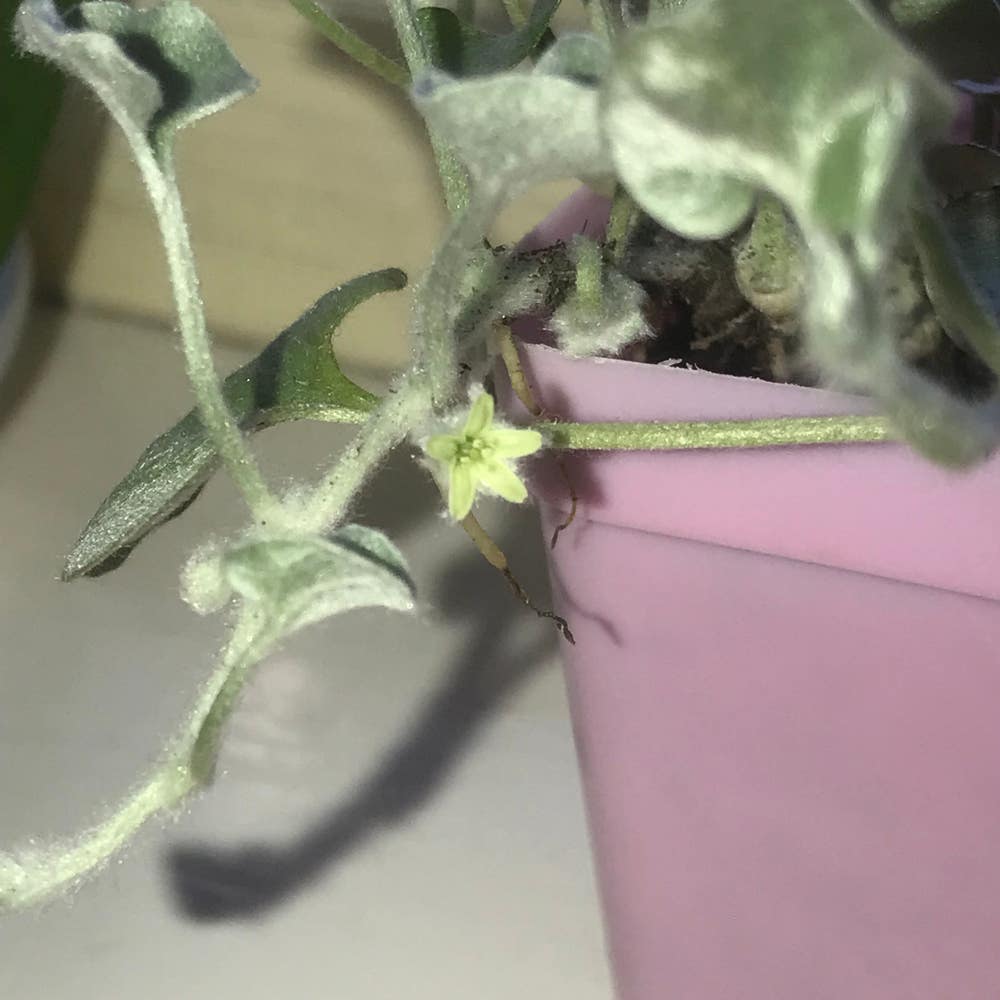
🌸 Why Your Dichondra Buds Are Falling Off
Dichondra spp.
By the Greg Editorial Team
Oct 31, 2024•5 min read
This article was created with the help of AI so we can cover more plants for you. May contain errors. See one? Report it here.
- 🌱 Dichondra flower drop signals stress from drought, moisture, or temperature changes.
- 🌞 Insufficient light and nutrients hinder flower growth; adjust conditions for better blooms.
- ✂️ Regular pruning and monitoring prevent issues, ensuring vibrant Dichondra flowers.
Common Flowering Problems
🌼 Signs of Premature Flower Drop
If you notice your Dichondra flowers dropping before they fully bloom, it’s a clear sign of trouble. Wilting buds can also indicate that something isn't right, often signaling stress in the plant.
Timing is crucial; premature flower drop typically occurs during the early stages of the bloom cycle. Recognizing these signs early can help you address the underlying issues before they escalate.
🔍 Causes of Flower Drop
Several factors can lead to flower drop in your Dichondra. Environmental stressors like drought, excessive moisture, and temperature fluctuations can wreak havoc on flower health.
Nutritional deficiencies are another common culprit. A lack of essential nutrients can result in weak flower development, making them more susceptible to dropping prematurely.
Pests and diseases also play a significant role in flower longevity. Infestations or infections can weaken the plant, leading to a decline in flower health and an increased likelihood of drop.
Understanding these causes is the first step toward ensuring your Dichondra thrives and produces beautiful blooms. By addressing these issues, you can help your plants reach their full flowering potential.
Abnormal Flower Development
🌼 Types of Abnormal Flower Development
Dichondra flowers can exhibit various abnormalities that affect their appearance. You might notice unusual shapes, sizes, or colors that deviate from the expected bloom.
Common abnormalities include flowers that are smaller than usual, oddly shaped petals, or even color variations that seem out of place. These visual cues can indicate underlying issues that need attention.
🔍 Causes of Abnormal Development
Several factors contribute to abnormal flower development in Dichondra. Genetic factors play a significant role, as certain varieties may have inherent traits that lead to unusual blooms.
Environmental influences are also crucial. Light conditions, soil quality, and moisture levels can all affect how flowers develop. For instance, insufficient light can lead to stunted growth, while poor soil can hinder nutrient uptake.
Nutritional imbalances are another key factor. Over-fertilization can cause excessive growth at the expense of flower quality, while nutrient deficiencies can lead to weak, poorly formed blooms. Monitoring these elements can help you maintain healthy, vibrant flowers.
Understanding these causes can empower you to take action. By addressing genetic, environmental, and nutritional factors, you can promote healthier flower development in your Dichondra plants.
As we explore further, let’s delve into the specific causes of flowering issues and how to tackle them effectively.
Causes of Flowering Issues
🌞 Light Conditions and Their Impact on Flowering
Dichondra thrives in full sun to partial shade, making light exposure crucial for vibrant blooms. When plants receive inadequate light, they often exhibit stunted growth and reduced flowering potential, leaving you with fewer blossoms than expected.
🍽️ Nutritional Deficiencies and Their Effects on Blooms
Key nutrients like nitrogen, phosphorus, and potassium play a vital role in flower development. If your plants are lacking these essentials, you might notice yellowing leaves and poor flower formation, signaling that it's time to reassess your fertilization strategy.
✂️ The Role of Pruning in Promoting Flower Health
Pruning is essential for encouraging new growth and enhancing flower production. To achieve the best results, it's important to know when and how to prune effectively, ensuring your Dichondra remains healthy and vibrant throughout its blooming cycle.
As you consider these factors, remember that addressing light, nutrition, and pruning can significantly improve your flowering success. Next, we’ll explore practical solutions to these common flowering problems.
Solutions to Flowering Problems
🌞 Adjusting Light Exposure for Optimal Blooming
To achieve vibrant blooms, ensuring your Dichondra receives adequate light is crucial. Consider relocating your plants to sunnier spots or trimming back any surrounding foliage that may be blocking sunlight.
Monitoring light conditions can also make a significant difference. Use light meters to gauge exposure or simply observe how your plants respond to their environment.
🌱 Nutrient Management for Healthy Flower Development
A well-planned fertilization schedule is key to promoting healthy flower development. Aim to fertilize every 4-6 weeks during the growing season, using a balanced fertilizer that includes nitrogen, phosphorus, and potassium.
Look for signs of nutrient sufficiency in your plants. Healthy, vibrant foliage and robust flower production are indicators that your plants are thriving.
✂️ Pruning Techniques to Enhance Flower Production
Effective pruning can significantly boost your flower production. Follow this step-by-step guide to ensure your plants flourish:
- Identify dead or weak stems that may hinder growth.
- Use clean, sharp tools to make precise cuts.
- Trim back to healthy growth points to encourage new blooms.
- Dispose of cuttings properly to prevent the spread of disease.
By implementing these strategies, you can tackle common flowering problems and enjoy a thriving garden filled with beautiful Dichondra blooms. Next, let’s explore the environmental factors that can also impact your flowering success.
Environmental Factors
How Temperature and Humidity Affect Flowering 🌡️
Maintaining the right temperature is crucial for your Dichondra flowers. The ideal range is between 15°C to 25°C (59°F to 77°F), where they thrive and produce vibrant blooms.
However, high humidity can be a double-edged sword. While it may seem beneficial, excessive moisture can lead to fungal diseases, causing flowers to drop prematurely.
Soil Conditions and Their Influence on Bloom Success 🌱
Soil quality plays a significant role in the health of your flowers. Well-drained soil is essential to prevent root rot, which can devastate your plants and hinder blooming.
Additionally, the pH level of your soil matters. Aim for a pH range of 6.0 to 7.0 to ensure optimal nutrient availability, allowing your Dichondra to flourish and produce stunning flowers.
Understanding these environmental factors can help you create the perfect conditions for your Dichondra to thrive. With the right temperature, humidity, and soil conditions, you'll be well on your way to a flourishing garden.
Next, let’s explore how light conditions can further impact your flowering success.
⚠️ Safety First
This content is for general information and may contain errors, omissions, or outdated details. It is not medical, veterinary advice, or an endorsement of therapeutic claims.
Always consult a qualified healthcare professional before using any plant as food, medicine, or supplement.
Never eat any plant (or feed one to pets) without confirming its identity with at least two trusted sources.
If you suspect poisoning, call Poison Control (800) 222-1222, the Pet Poison Helpline (800) 213-6680, or your local emergency service immediately.
Spotted an error? Please report it here.
Keep your Dichondra thriving and blooming beautifully 🌼 by using Greg's tailored care tips and reminders to tackle light, nutrition, and pruning challenges head-on!