Dichondra Is a Perennial
Dichondra spp.
By the Greg Editorial Team
Oct 31, 2024•4 min read
This article was created with the help of AI so we can cover more plants for you. May contain errors. See one? Report it here.
- 🌱 Dichondra thrives for 3-5 years with proper care, making it a resilient choice.
- 🌞 Ideal for ground cover, it features a low-growing, mat-forming structure.
- 💧 Robust root systems enhance drought resistance and improve soil health.
Characteristics of Dichondra as a Perennial
Multi-Year Lifecycle 🌱
Dichondra is a resilient perennial with a lifespan typically ranging from 3 to 5 years. With proper care, it can thrive even longer, showcasing its ability to emerge from the same root system year after year.
Growth Patterns and Regrowth from Roots 🌿
This plant features a low-growing, mat-forming structure that spreads horizontally, making it an excellent ground cover. Its extensive root system enhances resilience and recovery, allowing it to bounce back after adverse conditions.
During the warmer months, Dichondra enters an active growth phase, focusing on spreading and coverage. This vigorous growth not only enhances its aesthetic appeal but also contributes to its durability in various environments.
Dichondra's ability to regenerate from its roots each year is a testament to its hardiness and adaptability. This characteristic makes it a favorite among gardeners looking for low-maintenance yet visually appealing plants.
As we explore further, we’ll delve into the seasonal changes and dormancy patterns that affect Dichondra's growth.
Seasonal Changes and Dormancy in Dichondra
🌨️ Dormancy Periods
Dichondra experiences dormancy during the colder months, typically in winter. During this time, you may notice reduced growth, yellowing leaves, and an overall dormant appearance.
🌱 Growth Resumption and Flowering Patterns
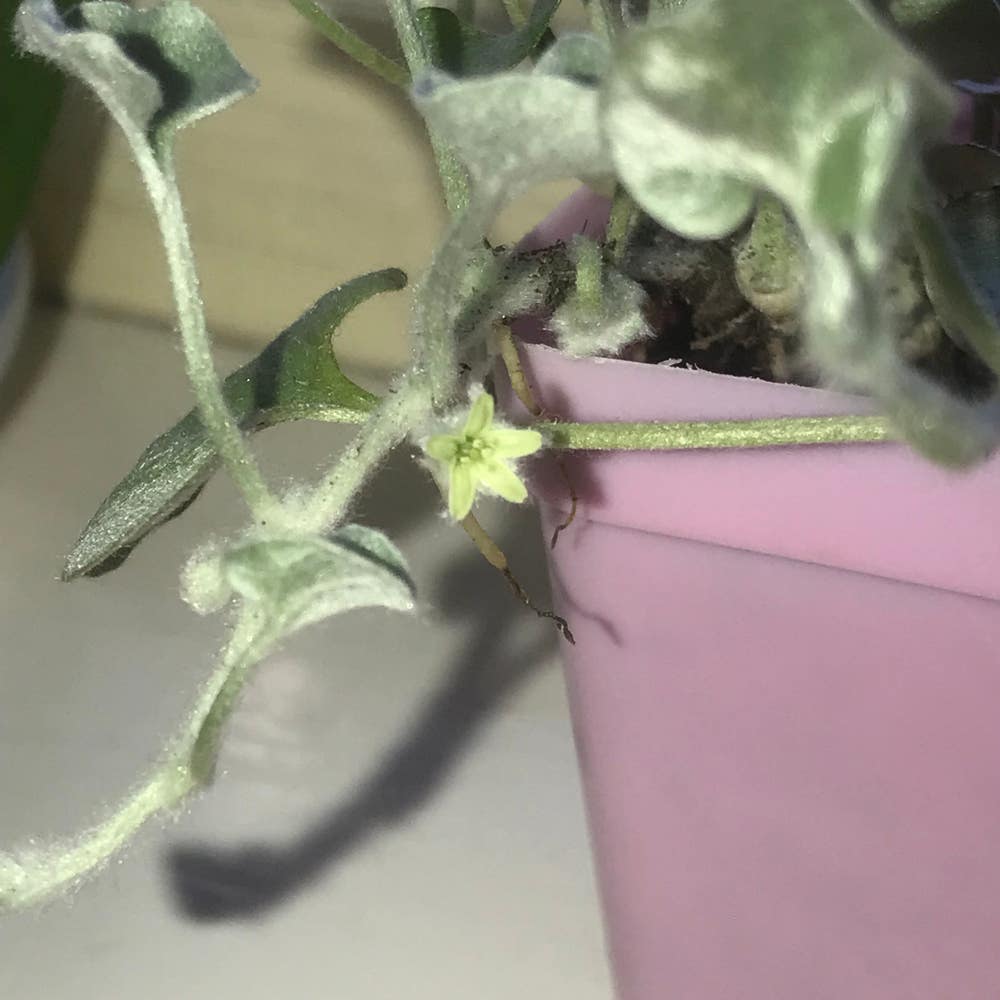
As temperatures warm and sunlight increases, Dichondra begins to wake up, usually resuming growth in early spring. While it may occasionally flower under favorable conditions, it's primarily valued for its lush foliage rather than blooms.
Understanding these seasonal changes is crucial for maintaining a healthy Dichondra lawn or garden. By recognizing dormancy signs and growth patterns, you can better care for this resilient perennial and ensure it thrives throughout the year.
Next, let’s explore the advantages of Dichondra's perennial nature and how it benefits your garden.
Advantages of Perennial Nature of Dichondra
🌱 Benefits of Reduced Replanting
Dichondra offers a significant advantage in gardening: once established, it requires far less frequent replanting compared to annual plants. This not only saves you money on seeds but also reduces the labor involved in maintaining your garden.
🌳 Importance of Established Root Systems
The strength of Dichondra lies in its robust root systems. These roots enable the plant to withstand drought and other adverse conditions, making it a resilient choice for various landscapes.
Additionally, perennial roots play a crucial role in improving soil structure and nutrient cycling. By maintaining healthy soil, Dichondra supports not just its own growth but also the overall health of your garden ecosystem.
In summary, the perennial nature of Dichondra not only simplifies gardening efforts but also contributes positively to the environment. As we explore its lifespan and longevity factors next, you'll see how these traits enhance its appeal even further.
Lifespan and Longevity Factors
Expected Lifespan 🌱
Dichondra typically enjoys a lifespan of 3-5 years when grown under optimal conditions. With the right care, it can even thrive longer, rewarding gardeners with its lush foliage year after year.
Factors Influencing Longevity ⏳
Several key factors can influence the longevity of your Dichondra.
- Soil Quality: Well-draining, nutrient-rich soils are essential for promoting a healthy lifespan.
- Moisture Management: Consistent moisture is crucial, but be careful to avoid waterlogging, which can harm the roots.
- Climate Adaptability: Dichondra's ability to adapt to various climates plays a significant role in its growth and lifespan.
By paying attention to these elements, you can help your Dichondra flourish and enjoy its beauty for many seasons to come.
As we explore the next section, we'll delve into how climate variations affect Dichondra's behavior and growing conditions.
Climate Variations and Growing Conditions
🌍 Variations in Behavior Across Climate Zones
Dichondra is remarkably adaptable, thriving in a variety of climates, from temperate to subtropical regions. However, in cooler climates, its growth can slow down significantly, leading to more pronounced dormancy during the winter months.
🌱 Tips for Maximizing Benefits in Garden Planning
To get the most out of your Dichondra, select locations that receive ample sunlight and are shielded from harsh winds.
Pairing Dichondra with other perennials not only enhances the visual appeal of your garden but also promotes overall plant health.
Regular monitoring and care are essential to ensure optimal growth and longevity, allowing your Dichondra to flourish year after year.
With the right conditions and care, you can enjoy the lush beauty of Dichondra as a perennial staple in your garden.
⚠️ Safety First
This content is for general information and may contain errors, omissions, or outdated details. It is not medical, veterinary advice, or an endorsement of therapeutic claims.
Always consult a qualified healthcare professional before using any plant as food, medicine, or supplement.
Never eat any plant (or feed one to pets) without confirming its identity with at least two trusted sources.
If you suspect poisoning, call Poison Control (800) 222-1222, the Pet Poison Helpline (800) 213-6680, or your local emergency service immediately.
Spotted an error? Please report it here.
Dichondra is a hardy perennial that can thrive for years with proper care 🌱, and Greg's personalized watering reminders will help you keep it flourishing beautifully in your garden!