Why Are My Dappled Snowbrush Leaves Dropping?
Haemanthus albiflos
By the Greg Editorial Team
Dec 20, 2023•3 min read
This article was created with the help of AI so we can cover more plants for you. May contain errors. See one? Report it here.
- Discoloration and wilting signal your Dappled Snowbrush's distress.
- Temperature, water, pests, diseases—all can lead to leaf drop.
- Prevent leaf loss with consistent care and vigilant monitoring.
Spot the Signs: When Your Dappled Snowbrush is Unhappy
🚨 Visual Symptoms of Distress
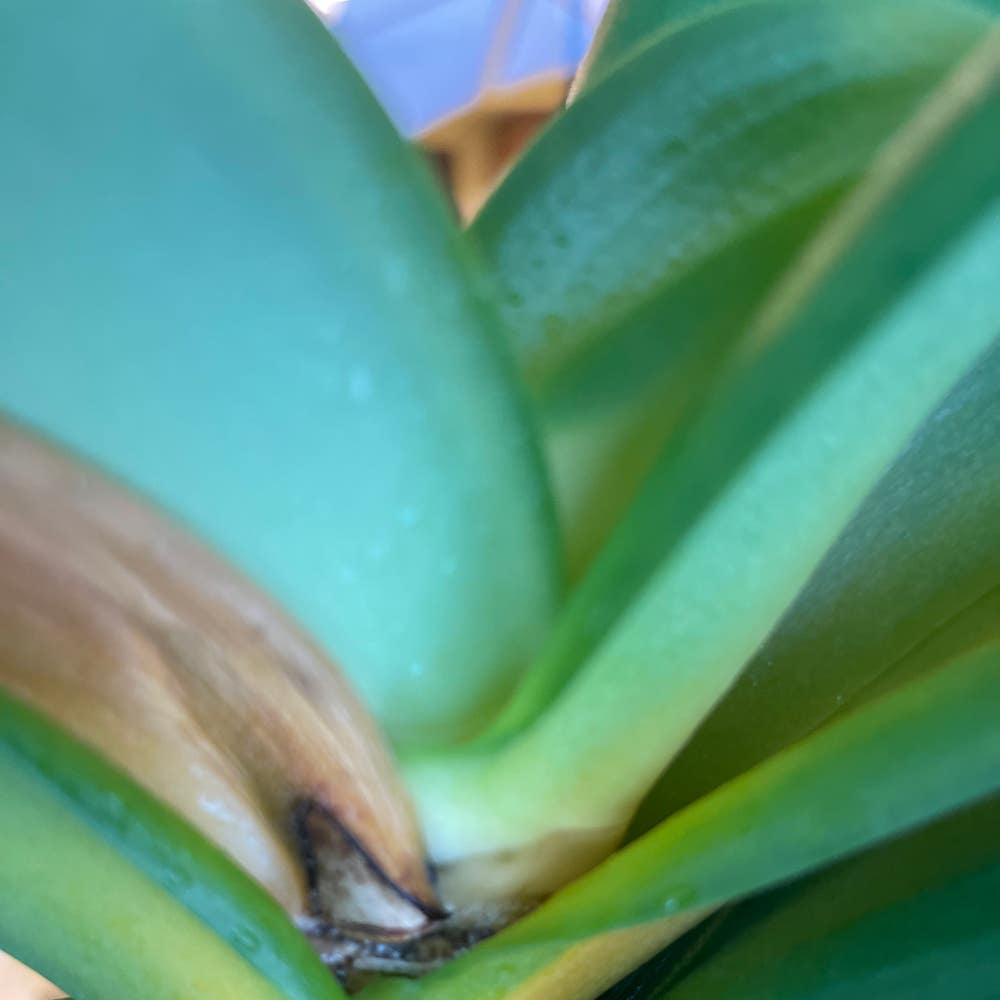
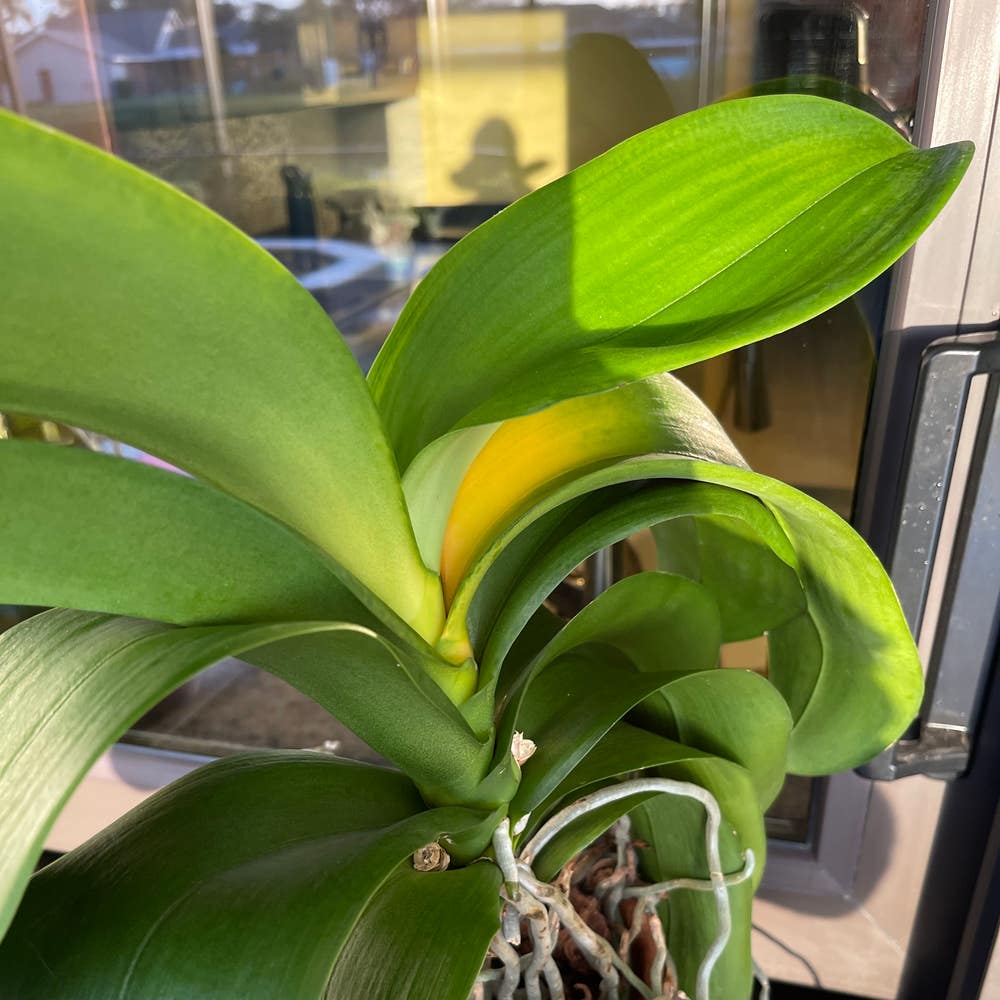
Discoloration and wilting are your Dappled Snowbrush's way of waving a red flag. If you notice leaves looking like they've lost their will to live, it's time for a plant intervention. Black dots or puffiness? These are not beauty marks; they signal that trouble is brewing.
🌱 Soil and Root Check-Up
To play detective with your plant's health, start with the soil moisture. If it's more swamp than desert, you've probably overdone it with the watering can. Conversely, soil that's drier than a stand-up comedian's wit is a cry for hydration. Don't forget to gently investigate the roots; if they're mushier than overcooked noodles, root rot might be your culprit.
The Usual Suspects: Identifying Causes of Leaf Drop
🌡️ Environmental Stressors
Temperature swings and improper watering are like silent alarms for your Dappled Snowbrush. Leaves dropping? Check if your plant's living through a climate crisis in its own pot. Too hot or too cold, and you'll witness a leaf exodus.
Light levels also play a part. Your plant doesn't want to sunbathe all day. Aim for that sweet spot of bright, indirect light to avoid a leafy tantrum.
🐜 Uninvited Guests: Pests
Spider mites and aphids are the Bonnie and Clyde of the plant pest world, notorious for their hit-and-run tactics on your foliage. Spot them? It's time for some pest control action.
Sticky residue or webbing beneath leaves? You've got uninvited guests. Evict them with a blast of water or insecticidal soap before they throw a full-blown party.
🍄 Fungal Foes and Diseases
Powdery mildew and other fungal diseases are the freeloaders of the plant world, thriving uninvited on your plant's hospitality. White, powdery splotches? That's a red flag.
Keep your plant's leaves dry and promote good air circulation. It's like social distancing for plants—prevents the spread of those pesky fungal spores.
First Aid for Foliage: Treating Your Dappled Snowbrush
😌 Calming Environmental Stress
Adjusting your plant's environment is critical. Ensure it's not in the path of harsh drafts or heating vents. Consistency in temperature and humidity keeps your Dappled Snowbrush serene.
🐜 Pest Patrol Tactics
Isolate your plant at the first sign of critters. Wipe down leaves with soapy water or apply neem oil to send pests packing. Remember, vigilance saves lives, at least in the plant world.
🛡️ Disease Defense Strategies
Fungi and bacteria loathe cleanliness. Prune affected areas and consider a copper-based fungicide or bactericide for serious cases. Always follow the label, because no one likes a chemical mishap.
Keeping Leaves Lush: Prevention Tips
🌿 Consistent Care Routine
Consistency is the cornerstone of Dappled Snowbrush happiness. Establish a care routine that caters to the unique needs of your plant. Watering should be on point—neither a flood nor a drought. Light exposure? Goldilocks' rule: not too much, not too little. Keep the environment stable; think of it as setting the perfect room temperature for a guest.
👀 Vigilant Monitoring
Stay alert. Your plant's leaves are like mood rings, changing to tell you something's up. Spot any discoloration or texture changes? Time to play detective. Regular check-ups are non-negotiable. Prune with purpose, and keep your tools cleaner than a surgeon's scalpel.
🛡️ Proactive Plant Parenting
Prevention beats cure every time. Embrace proactive measures like ensuring proper drainage to avoid bacterial raves in your pot. Pest Patrol should be a regular beat on your rounds—catch those critters before they settle in. And remember, a stressed plant is a magnet for trouble, so keep that care routine as rhythmic as a metronome.
⚠️ Safety First
This content is for general information and may contain errors, omissions, or outdated details. It is not medical, veterinary advice, or an endorsement of therapeutic claims.
Always consult a qualified healthcare professional before using any plant as food, medicine, or supplement.
Never eat any plant (or feed one to pets) without confirming its identity with at least two trusted sources.
If you suspect poisoning, call Poison Control (800) 222-1222, the Pet Poison Helpline (800) 213-6680, or your local emergency service immediately.
Spotted an error? Please report it here.
Prevent your Dappled Snowbrush from shedding its beauty 🍂 with Greg's precise soil moisture tracking and tailored care reminders, ensuring your plant thrives under your watchful eye.