How Do I Fix Dappled Snowbrush Root Rot?
Haemanthus albiflos
By the Greg Editorial Team
Dec 20, 2023•4 min read
This article was created with the help of AI so we can cover more plants for you. May contain errors. See one? Report it here.
- Yellow leaves and drooping signal root rot in Dappled Snowbrush.
- Prune rotten roots; repot with well-draining soil and proper pot.
- Treat wisely with fungicides or natural remedies, and rotate treatments.
Spotting the Trouble: Recognizing Root Rot in Your Dappled Snowbrush
🚨 Visual Symptoms
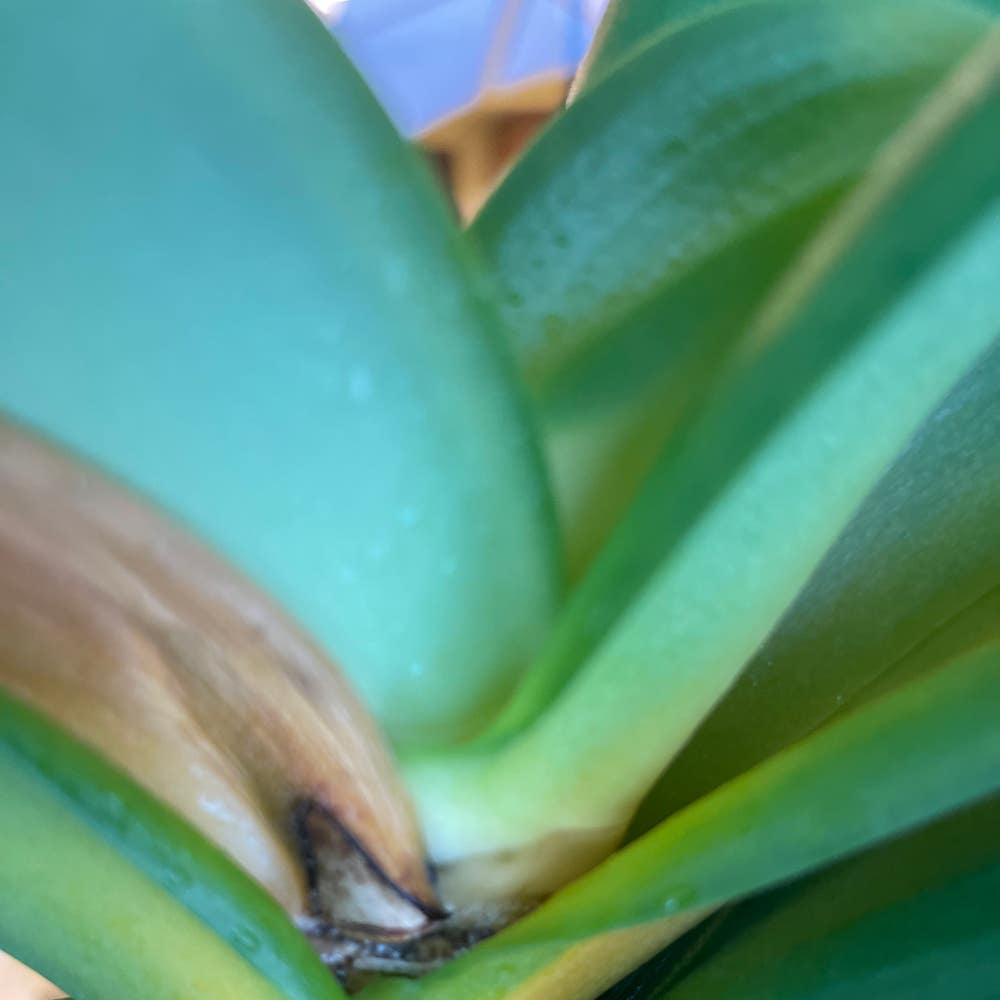
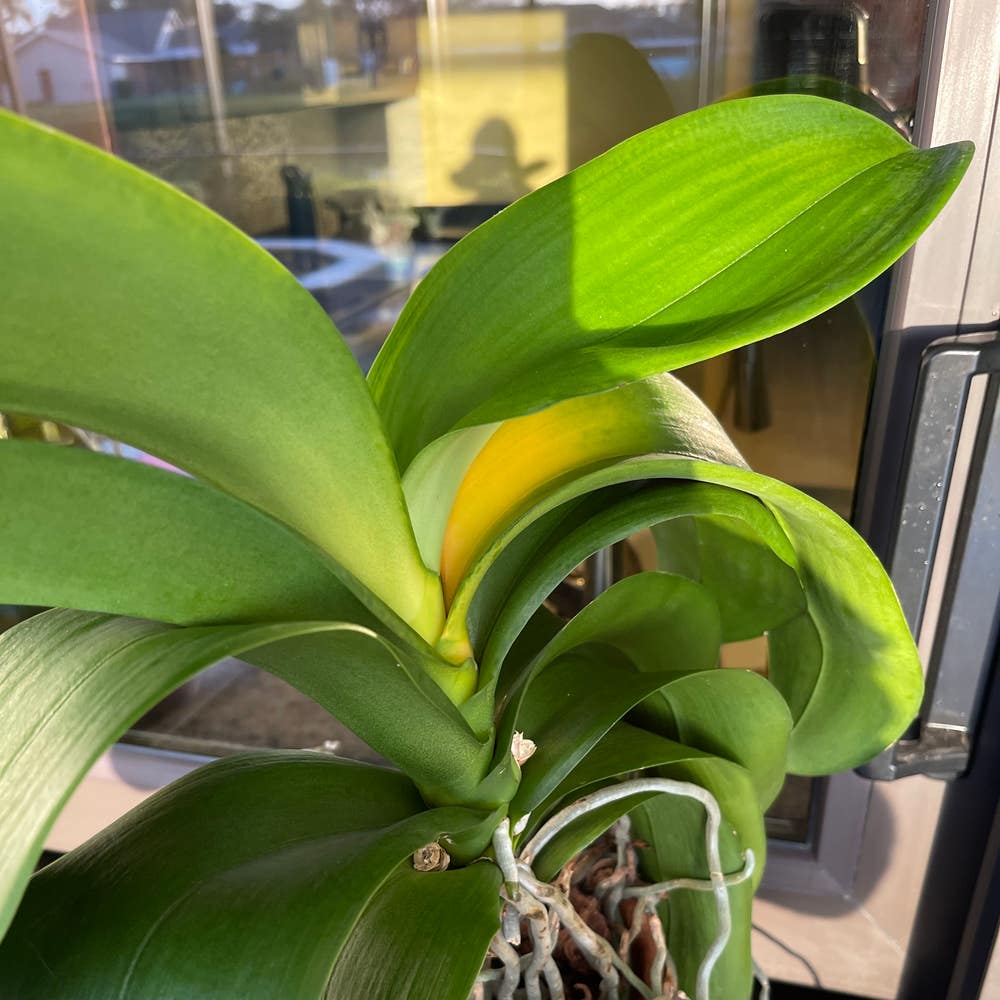
Yellow leaves can be a false alarm, but when your Dappled Snowbrush starts looking more like a sad salad than a vibrant plant, take note. Curling or drooping leaves are a cry for help. If the plant's demeanor shifts from perky to droopy, and especially if new leaves are yellowing, it's time for a root rot reality check.
🕵️♂️ Root Inspection
Gently unearth your plant to inspect the roots. Healthy roots are like the plant's white teeth—firm and vibrant. If they're more brown and mushy than a forgotten banana, you've got trouble. A stench like last week's compost? That's the smell of decay. If the roots crumble like a bad cookie, it's time for some serious plant surgery.
Immediate Actions: First Steps to Address Root Rot
🌿 Removing the Plant and Affected Soil
Yank the Dappled Snowbrush from its pot with the decisiveness of a gardener on a mission. Knock off the excess soil like you're shaking a Polaroid picture. If the soil sticks like bad memories, it's a sign you've been too generous with water. Dispose of the contaminated soil responsibly—it's no longer your friend.
🌱 Root Pruning
Inspect the roots with the scrutiny of a detective at a crime scene. Healthy roots look like they're ready for a photoshoot—firm and white. Rotten roots, however, will be as brown and mushy as overripe bananas. Snip the bad parts away with sterilized scissors, like you're editing the boring scenes from a movie. Remember, it's a delicate balance—keep the healthy roots, lose the rotten.
Turning the Tide: Creating a Healthy Environment for Recovery
💧 Soil and Pot Considerations
Well-draining soil is non-negotiable. Mix in coco coir and perlite for aeration; think of it as the plant's breathable sneakers rather than tight dress shoes. Regular potting soil gets a boost with a handful of perlite.
When it comes to pots, think drainage holes and no soggy bottoms. If your pot's more sealed than a submarine, it's time for a swap. A layer of pebbles at the bottom? That's your insurance against indoor floods.
🚰 Watering Wisely
Watering is an art form. Let the soil dry out between sessions; your Dappled Snowbrush craves a drink, not a swim. Adjust your routine—less is more, and precision beats guesswork.
Remember, recovery is a marathon. Keep the soil comfortable and the pot breathable. Your plant will thank you with growth, not groans.
Fighting Back: Treating the Fungal Foe
🛡️ Choosing Your Weapons: Fungicides and Natural Remedies
When your Dappled Snowbrush is under siege by root rot, choosing the right treatment is crucial. You've got options: commercial fungicides or the eco-friendly route with natural remedies. If you're going chemical, think of fungicides as your plant's personal bodyguards. Read labels like you're deciphering a secret code—accuracy is key. Overuse can backfire, underuse is a mere tickle to the fungal beast.
For the green-hearted, nature offers its own arsenal. Neem oil, a plant's knight in shining armor, and biological fungicides like PlantShield HC, which boost your plant's immune system. Don't overlook household staples; baking soda concoctions can be mild fungal fighters. Remember, it's not just about the potion, but also about fostering an environment where fungi fear to tread—think sunlight, air circulation, and dry feet for your plants.
🎨 Application Techniques
When applying fungicides, imagine you're painting a masterpiece—cover every inch. Each leaf, front and back, needs attention. Miss a spot, and you're inviting the enemy back. Follow the battle plan on the label; this isn't the time for improvisation. Reapply as directed; fungi are more stubborn than a mule.
For natural remedies, it's a similar drill. Cinnamon isn't just for lattes—it's a natural soil fungicide. Chamomile tea isn't just a bedtime ritual; it's a plant tonic. And activated charcoal? It's not just for detoxing after a wild night out—it helps keep the soil pathogens at bay.
Rotate your fungicides if you're going the chemical route. Using the same one is like telling the same joke over and over—the fungus stops laughing. Mix it up with different active ingredients like thiophanate methyl or azoxystrobin to keep the fungus guessing. And always, always stick to the script—the recommended dosage is your golden rule.
⚠️ Safety First
This content is for general information and may contain errors, omissions, or outdated details. It is not medical, veterinary advice, or an endorsement of therapeutic claims.
Always consult a qualified healthcare professional before using any plant as food, medicine, or supplement.
Never eat any plant (or feed one to pets) without confirming its identity with at least two trusted sources.
If you suspect poisoning, call Poison Control (800) 222-1222, the Pet Poison Helpline (800) 213-6680, or your local emergency service immediately.
Spotted an error? Please report it here.
Combat root rot and keep your Dappled Snowbrush thriving 🌿 with Greg's tailored watering reminders and care tips from this guide.