How Often To Fertilize Calathea?
Haemanthus albiflos
By the Greg Editorial Team
Dec 20, 2023•3 min read
This article was created with the help of AI so we can cover more plants for you. May contain errors. See one? Report it here.
- 🌞 Balance light for Dappled Snowbrush—avoid full sun and deep shade.
- 💡 Indoor tip: 3 feet from a window, preferably east or west-facing.
- 🕒 Use timers with grow lights to automate Dappled Snowbrush's light schedule.
Soaking Up the Sun: Outdoor Light Love for Dappled Snowbrush
🌞 Finding the Sweet Spot
Location matters when it comes to your Dappled Snowbrush soaking up rays outdoors. To pinpoint the optimal light conditions, check your USDA Hardiness Zone—Dappled Snowbrush basks in the glory of Zones 10-11b. If you're not sure about your zone, a quick online search will enlighten you. The goal is to mimic the plant's native Southern Africa, where the sun plays favorites but doesn't overwhelm.
☀️ Sun vs. Shade
Your Dappled Snowbrush craves a balance of light. Full sun can be a bit much, leading to the botanical equivalent of a sunburn. On the flip side, too much shade turns your plant into a wallflower that refuses to grow. Aim for a Goldilocks zone—partial shade or a spot with dappled sunlight, where the leaves can bask without baking. Remember, this isn't a sunbathing competition; it's about providing a consistent light source that won't lead to leaf scorch or a pale, uninteresting plant.
Bringing the Sunshine In: Indoor Light Hacks
🌞 Window Wisdom
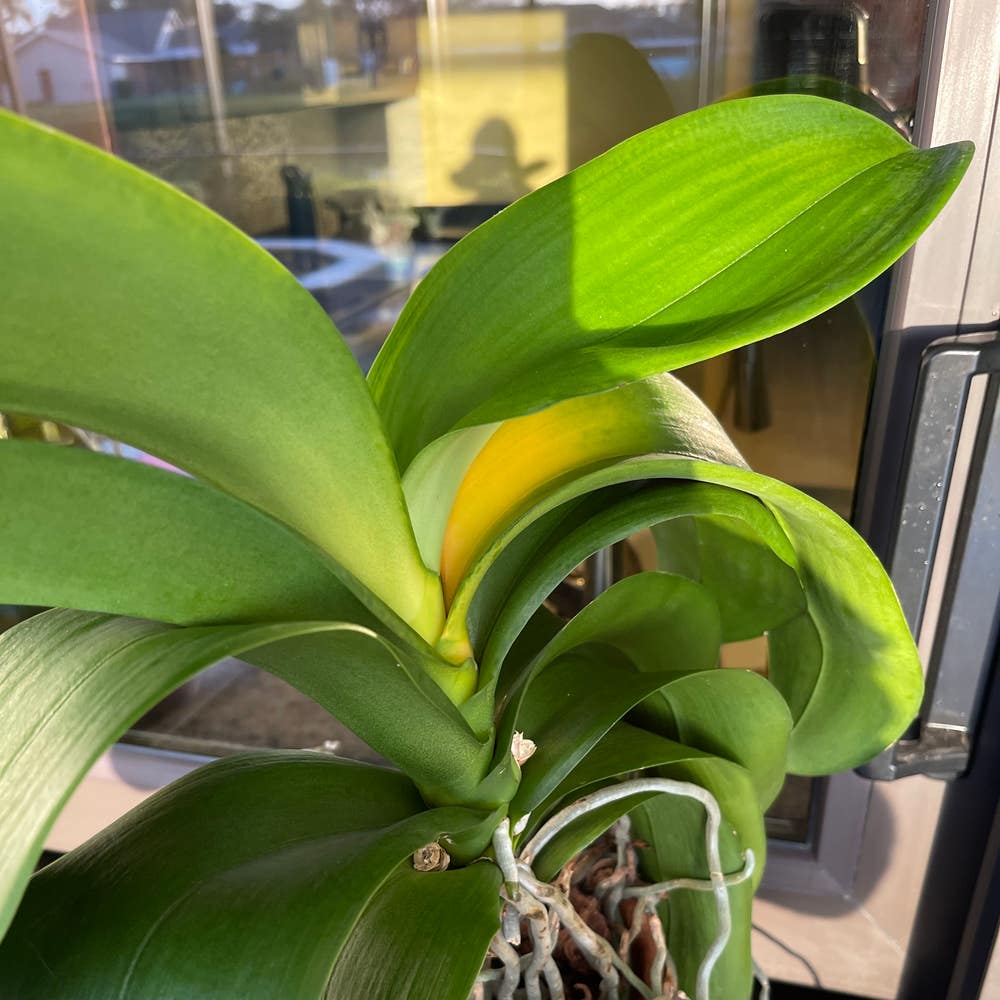
Proximity matters. Place your Dappled Snowbrush within 3 feet of a window to catch those rays. East or west-facing windows? Goldilocks approved. They offer the perfect balance of light—bright but not too harsh. Remember, direct sunlight is a no-go; think sunburnt leaves.
🔆 Reflect and Amplify
Got less-than-ideal light? Get reflective. Use mirrors or shiny surfaces to bounce light around. Sheer curtains can diffuse too-strong rays, protecting your plant from the dreaded crisp. And if all else fails, a 6500k bulb can be your plant's winter sun—just keep it a cozy 6 inches away. Rotate your plant to avoid the "Leaning Tower of Pisa" effect.
When Flowers Need a Light Nudge
💡 Timing and Intensity
To coax Dappled Snowbrush into flowering, consider light's two key players: duration and intensity. Longer daylight hours can trigger blooming, but it's a balancing act—too much intensity can scorch leaves, while too little leaves blooms shy. Gradually increase light exposure to simulate a natural transition from winter to spring, nudging your plant towards its floral debut.
🌸 Seasonal Shifts
As the seasons wheel by, your Dappled Snowbrush's light needs shift. In spring and summer, maximize daylight hours to align with the plant's natural blooming cycle. Come fall, dial back the intensity and duration to mimic shorter days. This seasonal light waltz encourages the Dappled Snowbrush to produce those elusive flowers, rewarding your patience with a splash of color.
Supplementing Sunlight: The Grow Light Game
💡 Choosing Your Champion
When it comes to grow lights, the Dappled Snowbrush is a bit of a diva, demanding the spotlight without the scorch. Full-spectrum LED lights are your best bet—they're the sun's stand-ins, offering a broad range of light without turning your electricity meter into a spinning top.
Setup and Strategy
Setting up your grow light is not rocket science, but it's close. Place the light a few feet above your plant to prevent an impromptu bake-off. Use timers to automate your light schedule, mimicking the natural ebb and flow of daylight. This way, your Dappled Snowbrush won't even realize it's living the indoor life. Keep it simple, keep it lit, and your leafy friend will keep it real.
⚠️ Safety First
This content is for general information and may contain errors, omissions, or outdated details. It is not medical, veterinary advice, or an endorsement of therapeutic claims.
Always consult a qualified healthcare professional before using any plant as food, medicine, or supplement.
Never eat any plant (or feed one to pets) without confirming its identity with at least two trusted sources.
If you suspect poisoning, call Poison Control (800) 222-1222, the Pet Poison Helpline (800) 213-6680, or your local emergency service immediately.
Spotted an error? Please report it here.
Find your Dappled Snowbrush's ideal sunspot 🌞 with Greg's PlantVision, ensuring it flourishes with custom reminders tailored to seasonal light changes.