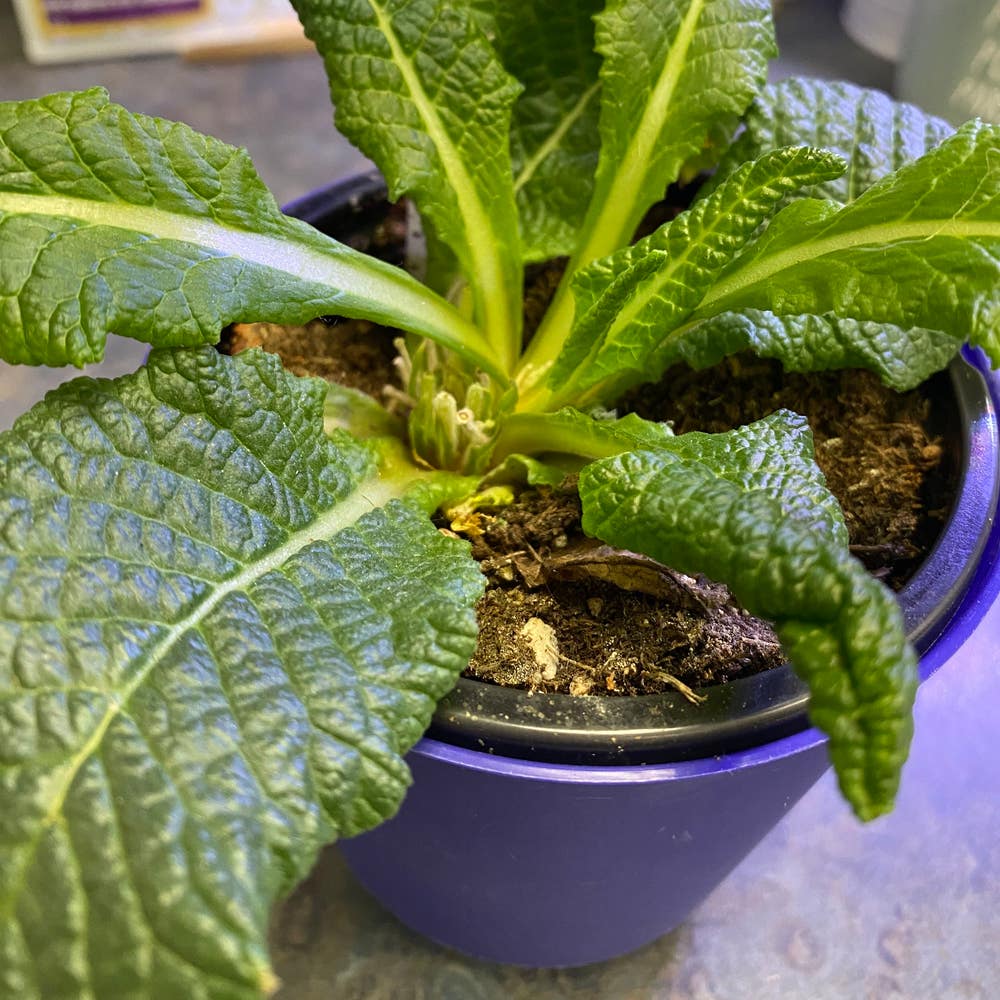
Why Is My Common Primrose Not Doing Well?
Primula vulgaris
By the Greg Editorial Team
Jun 18, 2024•3 min read
This article was created with the help of AI so we can cover more plants for you. May contain errors. See one? Report it here.
- 🌧️ Over-watering causes root rot; improve drainage and reduce watering frequency.
- ☀️🌡️ Adjust light and temperature to prevent leaf scorch and leggy growth.
- 🐛 Combat pests and root rot with insecticidal soap and better air circulation.
When Watering Goes Wrong
💧 Too Much Love: Over-watering
Yellowing leaves and root rot are the plant's SOS when you've been too generous with water. To fix this, you need to strike a balance. Cut back on the H2O and make sure your pot's not acting like a waterlogged boot.
Spotting the Signs
- Leaves turning yellow and falling off? That's over-watering 101.
- Soft, mushy stems scream, "Help, I'm drowning!"
- Mold on the soil? Your watering can needs a time-out.
How to Make It Right
- Let the soil dry out like a day-old baguette before watering again.
- Improve drainage by mixing in some grit or perlite; think of it as plant life support.
💦 Not Enough Attention: Under-watering
Wilting and dry, crispy leaves are your plant's way of saying, "I'm parched!" It's time to establish a watering routine that doesn't leave your green buddy high and dry.
Spotting the Signs
- Leaves drooping like they've just heard bad news? Time to water.
- Crispy leaves are the plant equivalent of chapped lips.
How to Make It Right
- Check the soil's thirst level; it should feel like a wrung-out sponge, not a desert.
- Water consistently, but don't drown the poor thing. It's a plant, not a fish.

Light and Temperature Tango
🌞 Too Much Sun: Leaf Scorching
Brown, crispy leaf edges are your Common Primrose's way of waving a white flag against too much sun. To counter this, adjust light exposure by moving your plant to a spot with bright, indirect sunlight. Consider increasing humidity levels with a pebble tray or a humidifier to combat the dryness that often accompanies sun-drenched locales.
💡 Not Enough Light or Inconsistent Temperatures
When your Primrose starts stretching out like it's searching for the last ray of light, it's a clear signal of leggy growth due to insufficient light. Pale leaves also gossip about the need for more lumens. To correct course, find a location that offers a consistent light source without direct exposure. As for temperatures, aim for a steady climate that doesn't swing from Sahara-like heat to Arctic chills. Keep it comfortably warm, avoiding extremes, to hit that temperature sweet spot.

The Unseen Foes: Pests and Diseases
🐜 Pests: Uninvited Guests
Visible pests and distorted leaves are the telltale signs of an infestation. These little critters are like party crashers, except they're not after your snacks—they're after your primrose.
To combat these pests, it's essential to play detective. Inspect the undersides of leaves for tiny, moving dots or sticky residue. Once identified, show them the door with insecticidal soap or neem oil.
🍄 Mold, Fungus, and Root Rot: The Silent Killers
When your plant starts emitting a foul odor, it's not just being rude—it's likely suffering from root rot. The roots may also feel mushy, like a bad avocado.
To fight back, enhance air circulation and consider repotting. If mold is partying on the soil, evict it with a spoon and send it packing. Keep the foliage dry and the air moving; it's like giving your plant a breath of fresh air.

⚠️ Safety First
This content is for general information and may contain errors, omissions, or outdated details. It is not medical, veterinary advice, or an endorsement of therapeutic claims.
Always consult a qualified healthcare professional before using any plant as food, medicine, or supplement.
Never eat any plant (or feed one to pets) without confirming its identity with at least two trusted sources.
If you suspect poisoning, call Poison Control (800) 222-1222, the Pet Poison Helpline (800) 213-6680, or your local emergency service immediately.
Spotted an error? Please report it here.
Revive your primrose and keep it thriving 🌺 with Greg's custom care reminders, ensuring just the right water, light, and pest control for your plant's needs!