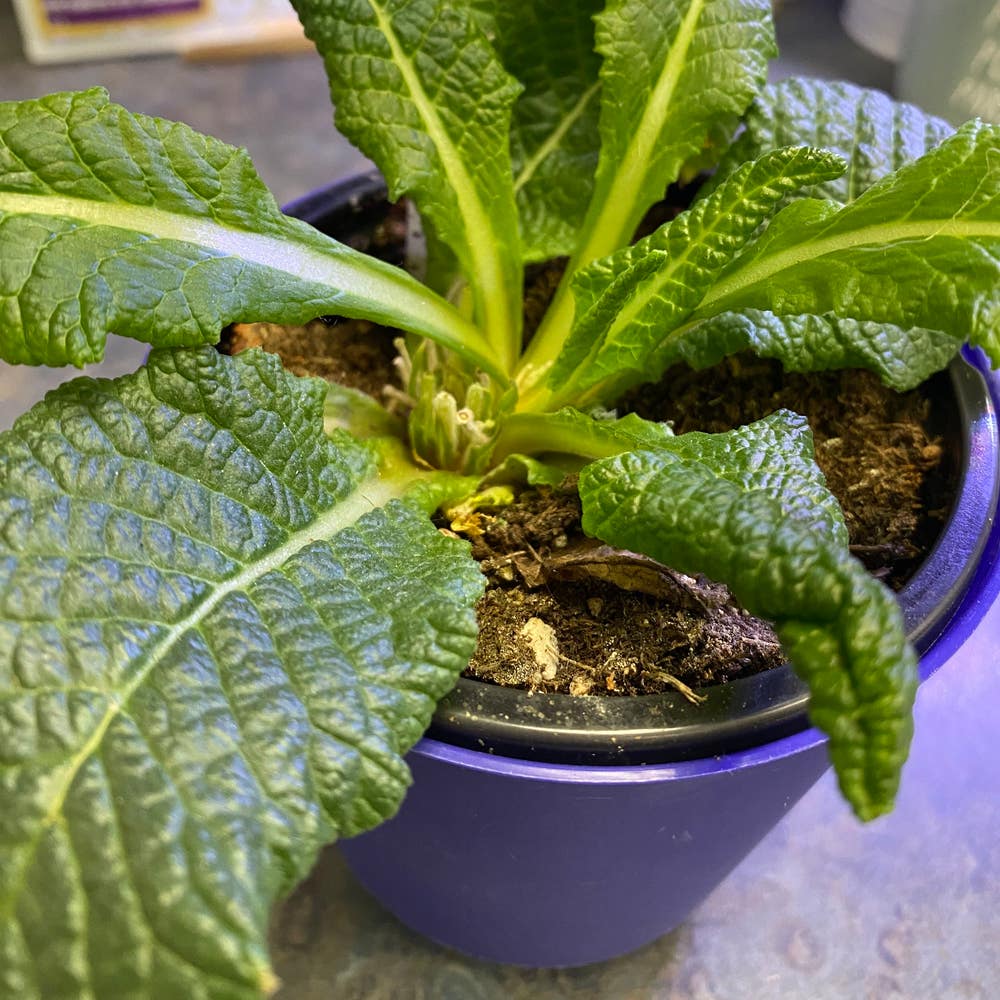
💧 Why Are My Common Primrose Leaves Mushy?
Primula vulgaris
By the Greg Editorial Team
Jun 18, 2024•4 min read
This article was created with the help of AI so we can cover more plants for you. May contain errors. See one? Report it here.
- Overwatering signs: Yellow leaves, brown spots, heavy pot, bad smell.
- Fix mushy leaves: Stop watering, repot, enhance drainage, trim, apply fungicide.
- Preventive measures: Check soil moisture, water in morning, use well-draining soil and pot.
Spotting the Trouble: Signs Your Primrose Leaves Are Too Wet
💧 Overwatering Evidence
Yellowing leaves and stems with the consistency of overcooked pasta are your first clue. If your Primrose is sporting brown spots with a yellow halo, it's time to reassess your relationship with the watering can.
🚰 Drainage Red Flags
A pot heavier than your last Amazon delivery hints at saturated soil. If the topsoil smells like a forgotten gym locker, it's a sign that your plant's feet are too wet. Remember, roots need to breathe too!
🍄 Telltale Fungal Foes
Mushy leaves might as well be a welcome mat for fungal invaders. Fuzzy growths or a sprinkling of what looks like pepper flakes on your plant are nature's way of saying, "You might want to get that checked out."

First Aid for Soggy Leaves
🚰 Rescuing Overwatered Primrose
Cease watering immediately to halt the hydration havoc. If the soil feels like a wet sponge, it's time to repot with a fresh, well-draining mix. Snip away any brown, mushy roots to stop decay in its tracks. Remember, it's triage time, not a eulogy.
🚰 Fixing the Flow: Enhancing Drainage
Unblock those drainage holes if they're clogged. Consider adding a layer of gravel or broken pottery at the bottom of the pot for better water flow. Mix in sand or perlite to the soil to increase aeration—your Primrose's roots need to breathe, not swim.
🚰 Fungus Among Us: Getting Rid of Mold and Mildew
Spot mold or mildew? Your plant's not throwing a fungus party—it's a distress signal. Trim off affected leaves with sterilized shears; think of it as pruning the problem. Apply a fungicide, but don't go overboard—more isn't merrier here. Keep the leaves dry when watering in the future; aim for the base to avoid giving fungi a free ride.

Keeping Your Primrose Perky: Prevention Tactics
💧 Water Wisdom: Perfecting Your Pour
Watering your Common Primrose is less about routine and more about reading the room—or pot, to be exact. Stick your finger into the soil; if the top inch feels like a desert, it's time to hydrate. But if it's damp, step away from the watering can. It's a simple check that prevents you from turning your plant's home into a swamp.
Morning is the Primrose's preferred time for a drink. It sets the stage for a day of photosynthesis without the water loss that comes with a midday sun showdown. Deep watering is the way to go, ensuring moisture reaches the roots, where the magic happens. Just make sure your pot isn't a water trap; proper drainage is non-negotiable.
Adjust your watering with the seasons. Your Primrose won't be guzzling water in the winter like it's at a summer happy hour. And if you're the type who loves gadgets, a soil moisture meter can be your cheat sheet to watering just right.
🏡 Soil and Sanctuary: Creating the Ideal Home
The right soil mix is like a tailored suit for your Primrose—it needs to fit just right. Aim for a well-draining mix; add perlite or sand if you're feeling crafty. It's like giving your plant the penthouse with a view instead of a basement without windows.
Choosing the right pot is like picking a house for yourself. It should be cozy but with enough room to grow, and with drainage holes that aren't just for show. Repotting every couple of years keeps the soil fresh and the roots happy. It's like a spa day for your plant, minus the cucumber eye patches.
Remember, consistency is your friend. Establish a routine that includes regular check-ins with your Primrose. It's less about being a helicopter plant parent and more about being the cool aunt or uncle who knows when to step in.

⚠️ Safety First
This content is for general information and may contain errors, omissions, or outdated details. It is not medical, veterinary advice, or an endorsement of therapeutic claims.
Always consult a qualified healthcare professional before using any plant as food, medicine, or supplement.
Never eat any plant (or feed one to pets) without confirming its identity with at least two trusted sources.
If you suspect poisoning, call Poison Control (800) 222-1222, the Pet Poison Helpline (800) 213-6680, or your local emergency service immediately.
Spotted an error? Please report it here.
Ensure your Primrose thrives, not just survives, by leveraging Greg's custom watering plans 🌞 to prevent overwatering and promote perfect plant health!