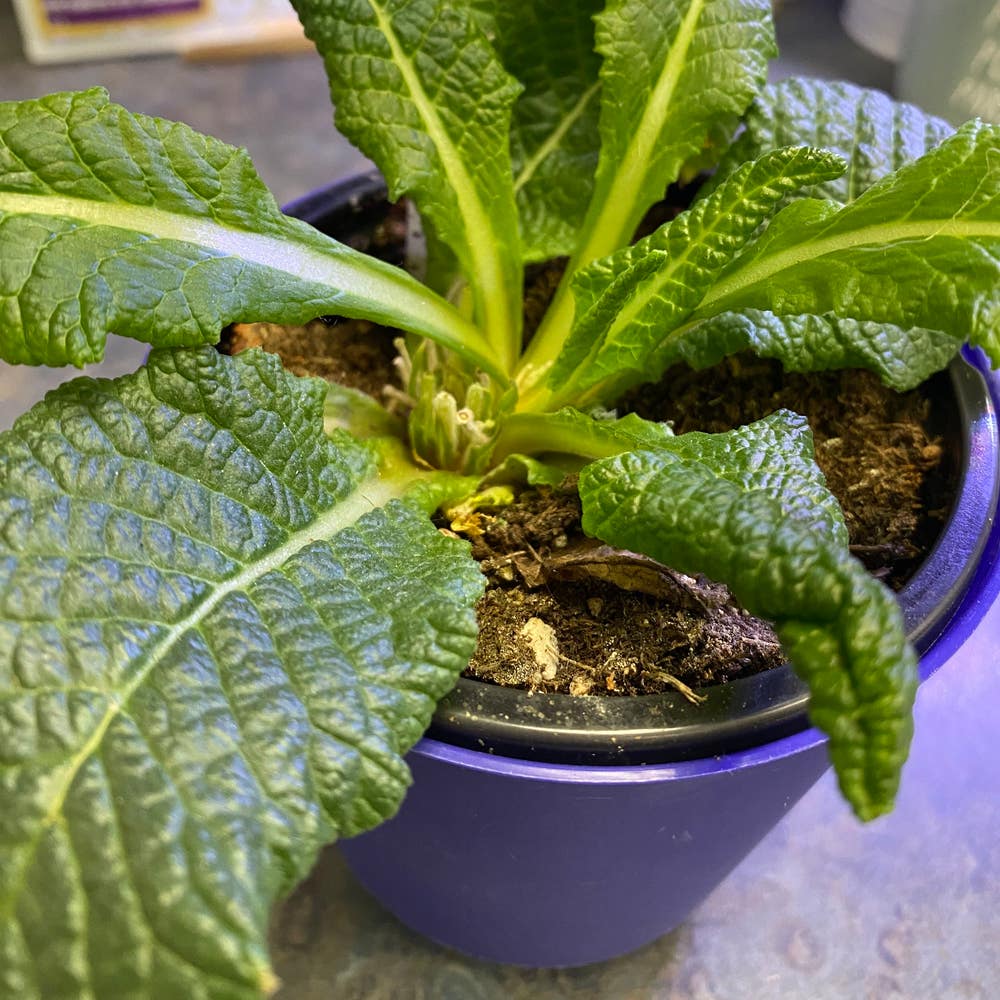
Why Are My Common Primrose Leaves Falling Over?
Primula vulgaris
By the Greg Editorial Team
Jun 18, 2024•4 min read
This article was created with the help of AI so we can cover more plants for you. May contain errors. See one? Report it here.
- Over/underwatering affects Primrose, causing leaves to droop; adjust watering accordingly.
- Light levels are crucial: Too little or too much sun can lead to slouching leaves.
- Nutrient balance is key: Nitrogen and potassium deficiencies can cause drooping. Use balanced fertilizer.
Spotting the Signs: When Your Primrose Leaves Start to Sag
🚩 Identifying the Slump
Slouching leaves on a Common Primrose are like a flag at half-mast, signaling something's amiss. The once upright foliage begins to bend or droop, and that's your cue to play plant detective. It's not just about aesthetics; it's about the plant's well-being. If your Primrose is starting to look more like a weeping willow, it's time to take action.
⏰ Timing is Everything
Primrose leaves don't just decide to take a nap out of the blue. Drooping often occurs when the plant is stressed, and the timing can be telling. Is it after a watering change? A move to a new location? Or perhaps it's seasonal, and your plant is trying to tell you it's not a fan of the current weather. Keep an eye on the clock and the calendar; they're part of your toolkit now.

Thirsty or Drowning? Watering Woes Unraveled
Watering your Common Primrose shouldn't be like playing a game of chance. Balance is the name of the game.
💦 Overwatering Overload
Overwatering can turn your Primrose's life into a soggy mess. Yellow leaves and a general look of despair are your cue to cut back. If the pot feels heavier than your last breakup, it's time to ease up on the H2O.
To rescue your waterlogged Primrose, think triage. Drainage is your best friend here. Consider repotting with a well-draining mix and make sure those pots have holes. If the roots aren't too far gone, they'll thank you for the intervention.
🏜️ The Underwatering Undertow
A parched Primrose is a sad sight. Wilting leaves crying out for a drink is a clear sign you've been neglectful. Touch the soil; if it's drier than your humor, it's time to water.
For hydration help, consistency is key. Water slowly and deeply, letting the moisture reach the roots without drowning them. Adjust your schedule with the seasons, and remember, your Primrose is not a cactus. Keep the soil moist, but not wet, and you'll have a happy plant on your hands.

Let There Be Light: Shining a Solution on Droopy Leaves
⚠️ Dimming Downfalls
Low light is a prime suspect in the case of droopy Primrose leaves. Your plant craves bright, indirect sunlight to stay perky.
Boosting light levels can be as simple as moving your Primrose to a spot that's bathed in soft light. Think of it as the plant's personal yoga retreat – rejuvenating but not too intense.
☀️ Sunburn Struggles
Conversely, too much sun can leave your Primrose as drained as a marathon runner in a desert.
Finding the perfect spot is about balance. Your Primrose enjoys a bit of morning sun but prefers to spend the scorching afternoons in the shade. It's like a sunbather that knows when to seek the shelter of an umbrella.
Rotate your plant occasionally to ensure all sides receive equal light, preventing the botanical equivalent of a lopsided tan. If natural light is scarce, especially in winter, consider supplementing with grow lights. It's like giving your plant a dose of vitamin D when the sun is on hiatus.

Feeding Finesse: Nutrients for Upright Leaves
💚 The Nitrogen Necessity
Yellowing leaves? Your Primrose might be throwing a nitrogen tantrum. This essential nutrient is like a green smoothie for your plant, vital for leaf growth and general plant happiness. But too much nitrogen, and you'll get all leaves and no flowers—like a bodybuilder skipping leg day.
To diagnose nitrogen deficiency, look for older leaves turning yellow at the base, a classic sign that your plant is redistributing its limited nitrogen to the new growth. A balanced, nitrogen-rich fertilizer can turn those yellowing leaves back to a lush green. Remember, moderation is key—think of it as a nutrient nibble rather than a feast.
🌿 The Potassium Prescription
Potassium is the plant's personal trainer, ensuring that your Primrose's leaves stand up strong. Brown edges on the leaves? That's your cue that potassium is missing from the party. Without it, your plant's leaves might droop like they've just run a marathon.
To correct a potassium deficiency, reach for a fertilizer with a good N-P-K balance, particularly rich in potassium (the last number in the ratio). This isn't a one-time fix; it's more like a dietary supplement to keep your Primrose perky. And don't forget, too much of a good thing can lead to fertilizer burn—so follow the instructions like you're baking a soufflé, with precision and care.
⚠️ Safety First
This content is for general information and may contain errors, omissions, or outdated details. It is not medical, veterinary advice, or an endorsement of therapeutic claims.
Always consult a qualified healthcare professional before using any plant as food, medicine, or supplement.
Never eat any plant (or feed one to pets) without confirming its identity with at least two trusted sources.
If you suspect poisoning, call Poison Control (800) 222-1222, the Pet Poison Helpline (800) 213-6680, or your local emergency service immediately.
Spotted an error? Please report it here.
Turn your Primrose's frown upside down by using Greg to balance 🌞 your watering and lighting, ensuring your blooms stay perky and prosperous!