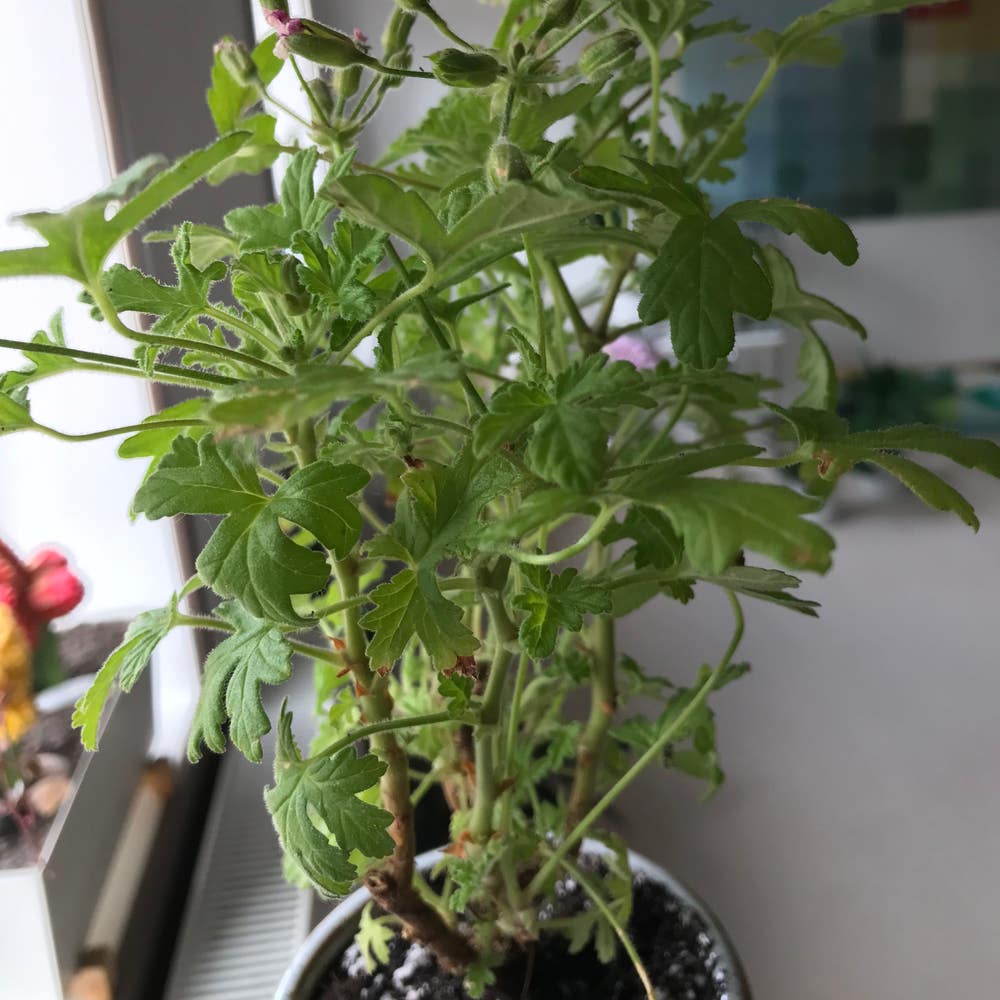
🐾 Top 5 Tips to Prevent Your Zebra Mallow Wilting
Malva sylvestris 'Zebrina'
By the Greg Editorial Team
Oct 04, 2024•6 min read
This article was created with the help of AI so we can cover more plants for you. May contain errors. See one? Report it here.
Transform your wilting Zebra Mallow 🌱 into a thriving beauty with essential tips for diagnosis and care!
- 💧 Monitor soil moisture closely to prevent wilting in Zebra Mallow.
- 🌡️ Maintain temperatures between 15°C to 25°C to avoid heat stress.
- 🌿 Prune regularly and provide shade to promote healthy growth and prevent wilting.
Common Causes of Wilting Leaves
💧 Water Stress
Water stress is a primary culprit behind wilting leaves. Look for signs like drooping leaves, dry soil, and curling foliage to identify this issue.
Balancing water levels is crucial. Overwatering can suffocate roots, while underwatering leads to dehydration. Aim for optimal soil moisture to keep your Zebra Mallow thriving.
☀️ Heat Stress
Heat stress can also cause your plant to wilt, especially during peak sunlight hours. Symptoms include wilting leaves and scorched edges, signaling that your plant is struggling.
Zebra Mallow prefers a temperature range of 15°C to 25°C (59°F to 77°F). Keeping your plant within this range can help prevent heat-related issues.
🦠 Disease-Related Wilting
While less common, disease-related wilting can occur. Pathogenic wilt is one such issue, but it's relatively rare.
If you suspect disease, it's essential to act quickly. Regular inspections can help catch these problems before they escalate.
Understanding these common causes will empower you to take action and keep your Zebra Mallow healthy. Next, let’s dive into how to diagnose wilting in your plant effectively.
Diagnosing Wilting in Zebra Mallow
Step-by-Step Guide to Diagnose Wilting 🌱
Diagnosing wilting in your Zebra Mallow starts with assessing soil moisture. Use a moisture meter or perform a finger test to gauge how dry or wet the soil is.
Next, check the environmental conditions. Temperature and humidity levels play a crucial role in your plant's health.
Finally, inspect for pests or diseases. Look for any signs of infestation or fungal growth that could be affecting your plant.
Signs to Look For in Wilting Leaves 👀
Pay attention to leaf color changes. Yellowing or browning leaves can indicate stress or nutrient deficiencies.
Also, examine the leaf texture. Softness or crispness can signal water loss, while stunted growth or a leggy appearance suggests your plant is struggling.
By keeping an eye on these signs, you can quickly identify issues and take action to revive your Zebra Mallow. Understanding these diagnostic steps will set you up for success as you move on to solutions for wilting.
Solutions for Wilting
🌊 Addressing Water Stress
Water stress is a common culprit behind wilting in Zebra Mallow. To combat this, adjust your watering schedule to water deeply but infrequently, ensuring the roots receive adequate moisture without becoming waterlogged.
Incorporating well-draining materials like perlite into the soil can significantly improve drainage. This helps maintain the right moisture balance, preventing both overwatering and underwatering.
☀️ Managing Heat Stress
Heat stress can quickly lead to wilting, especially during peak sunlight hours. Providing shade is essential; consider temporarily relocating your plant or using shade cloth to shield it from harsh rays.
Monitoring temperature is equally important. Keeping your Zebra Mallow in a controlled environment can help maintain its health and vitality.
🦠 Solutions for Disease-Related Wilting
While less common, disease-related wilting can occur. Identifying and treating fungal infections promptly is crucial; using appropriate fungicides can help restore your plant's health.
Improving air circulation around your Zebra Mallow is another effective strategy. Pruning surrounding foliage enhances airflow, reducing the risk of fungal growth and promoting a healthier plant environment.
By addressing these key areas, you can effectively manage wilting in your Zebra Mallow and ensure it thrives. Next, let’s explore preventive measures to minimize future wilting.
Preventive Measures
Tips to Minimize Future Wilting 🌱
Regularly monitoring soil moisture is crucial for your Zebra Mallow's health. Consider using the Greg plant care app to set reminders, ensuring you never forget to check.
Adjust your watering routine based on seasonal changes. During the summer, your plant may need more frequent watering, while in winter, you can cut back significantly.
Environmental Adjustments 🌞
Optimal placement of your Zebra Mallow can make a world of difference. Ensure it receives adequate sunlight while being shielded from extreme temperatures.
Mulching is another effective strategy. It helps retain soil moisture and regulates temperature, creating a more stable environment for your plant to thrive.
By implementing these preventive measures, you can significantly reduce the chances of wilting and keep your Zebra Mallow flourishing. Next, let’s explore how to revive a wilted Zebra Mallow when the need arises.
Reviving a Wilted Zebra Mallow
🧊 Techniques for Bottom Watering
To revive your zebra mallow, try bottom watering. Simply place the pot in a shallow tray of water for about 30 minutes.
This method encourages deep root growth and helps prevent overwatering, ensuring your plant gets the moisture it craves.
🌬️ Relocating the Plant Temporarily
If you notice signs of heat stress, it's time to relocate your plant. Move it to a cooler area to help it recover.
Keep the zebra mallow in a shaded spot until it shows signs of bouncing back, allowing it to regain its strength.
✂️ Pruning Damaged Leaves
Pruning can also aid in revival. Grab some clean, sharp pruning shears to remove any wilted or damaged leaves.
This simple step promotes new growth and helps your zebra mallow focus its energy on healthier foliage.
Reviving a wilted zebra mallow is all about quick action and care. With these techniques, you can bring your plant back to life and ensure it thrives in the future. Next, let’s explore when it’s time to seek professional help for your plant care challenges.
When to Seek Help
Signs That Professional Help is Needed 🆘
If your Zebra Mallow continues to wilt despite your best care efforts, it may be time to seek professional assistance. Look for persistent wilting, even after adjusting watering and environmental conditions.
Additionally, keep an eye out for severe pest infestations or signs of disease spread. If you notice unusual discoloration or rapid leaf drop, don’t hesitate to reach out for help.
Resources 📚
Local nurseries are excellent starting points for specific advice and treatment options tailored to your region. They often have knowledgeable staff who can provide insights into common local issues.
Consider consulting plant experts, such as horticulturists or extension services, for more in-depth guidance. They can help diagnose problems that may not be immediately apparent.
Online communities, like Greg, offer a platform to engage with fellow plant enthusiasts. Sharing experiences and tips can provide valuable support and solutions from those who have faced similar challenges.
By utilizing these resources, you can ensure your Zebra Mallow receives the best care possible, helping it thrive in your home.
⚠️ Safety First
This content is for general information and may contain errors, omissions, or outdated details. It is not medical, veterinary advice, or an endorsement of therapeutic claims.
Always consult a qualified healthcare professional before using any plant as food, medicine, or supplement.
Never eat any plant (or feed one to pets) without confirming its identity with at least two trusted sources.
If you suspect poisoning, call Poison Control (800) 222-1222, the Pet Poison Helpline (800) 213-6680, or your local emergency service immediately.
Spotted an error? Please report it here.
Keep your Zebra Mallow thriving 🌿 by using Greg's personalized watering reminders and moisture monitoring to prevent wilting and ensure it gets the care it deserves!