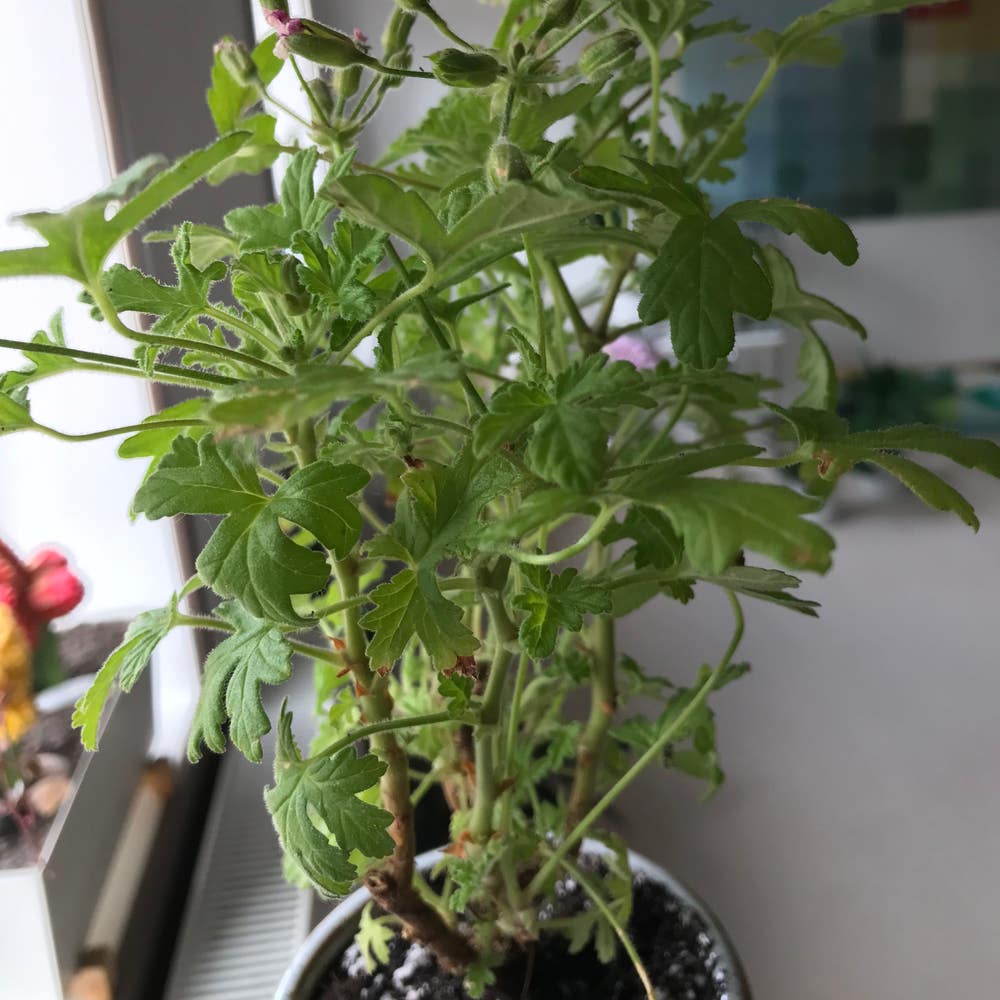
🐾 Why Your Zebra Mallow Leaves Are Falling Over
Malva sylvestris 'Zebrina'
By the Greg Editorial Team
Oct 04, 2024•5 min read
This article was created with the help of AI so we can cover more plants for you. May contain errors. See one? Report it here.
Transform your drooping Zebra Mallow into a thriving beauty 🌼 with essential care tips for watering, nutrients, and pest control!
- 💧 Overwatering and underwatering cause drooping leaves; check moisture levels regularly.
- 🌱 Nutrient deficiencies like nitrogen affect health; use balanced fertilizer every 4-6 weeks.
- 🌞 Zebra Mallow needs 6-8 hours of sunlight daily for optimal growth and stability.
Causes of Leaf Droop
💧 Overwatering and Its Effects
Overwatering is a common culprit behind drooping Zebra Mallow leaves. Symptoms include yellowing leaves, soft and mushy stems, and signs of root rot, such as dark, slimy roots.
Proper soil drainage is crucial to prevent water accumulation. A recommended soil mix consists of 50% potting soil, 25% perlite, and 25% sand to ensure adequate drainage.
🚰 Underwatering and Its Effects
On the flip side, underwatering can also lead to drooping leaves. Look for dry, crispy leaf edges and leaves that curl or droop as signs of distress.
To avoid this, check soil moisture weekly. Water your plant when the top inch of soil feels dry to the touch.
🥦 Nutrient Deficiencies
Nutrient deficiencies can significantly impact your Zebra Mallow's health. Common issues include nitrogen deficiency, which causes yellowing leaves and stunted growth, and magnesium deficiency, leading to interveinal chlorosis.
To combat these deficiencies, apply a balanced NPK fertilizer (10-10-10) every 4-6 weeks during the growing season. This will help keep your plant thriving.
🐛 Pest Infestations
Pests can wreak havoc on your Zebra Mallow, causing leaves to droop. Aphids are a common pest, leaving behind sticky residue and curled leaves.
Control methods include using insecticidal soap, neem oil, or introducing beneficial insects like ladybugs to your garden. Regular inspections can help catch infestations early.
🍄 Fungal Diseases
Fungal diseases can also contribute to leaf droop. Powdery mildew is a frequent issue, presenting as white, powdery spots on leaves.
To treat fungal problems, remove affected leaves, improve air circulation around the plant, and apply fungicides as needed. Taking these steps can help restore your plant's health.
Understanding these causes will empower you to take action and keep your Zebra Mallow healthy and vibrant. Next, we’ll explore how to diagnose and treat these issues effectively.
Diagnosis and Treatment
🕵️♂️ Diagnosing the Problem
Assessing Soil Moisture
To start diagnosing your Zebra Mallow's drooping leaves, check the soil moisture. Use a moisture meter or your finger to gauge the levels; the ideal state is slightly moist but not soggy.
Checking for Pests
Next, inspect the undersides of leaves and stems for any pests. Look for signs of damage or sticky residue, which can indicate an infestation.
Evaluating Nutrient Levels
Conducting a soil test is crucial for understanding nutrient levels and pH. Based on the results, you can adjust your fertilization strategy to meet your plant's needs.
💊 Treatment Options
Adjusting Watering Practices
- Determine the correct watering frequency by checking soil moisture regularly.
- Ensure proper drainage by using pots with drainage holes.
- Water deeply but infrequently to encourage robust root growth.
Fertilization Methods
Applying a balanced fertilizer during the growing season can significantly benefit your plant. Consider using slow-release fertilizers for a consistent nutrient supply.
Pest Control Strategies
For pest control, opt for organic methods like neem oil or insecticidal soap. Regular inspections will help you catch any early signs of infestation before they escalate.
Addressing Fungal Issues
Improving air circulation around your Zebra Mallow is essential for preventing fungal diseases. If necessary, apply fungicides according to the label instructions to manage any outbreaks.
With these diagnostic and treatment strategies, you can effectively address the issues causing your Zebra Mallow's leaves to droop. Next, let’s explore some prevention strategies to keep your plant healthy and thriving.
Prevention Strategies
🌊 Best Practices for Watering
How to Properly Water
Water your Zebra Mallow when the top inch of soil feels dry. This simple practice helps prevent both overwatering and underwatering.
Water directly at the base of the plant to keep the leaves dry. Wet leaves can lead to fungal issues, so this method is crucial for plant health.
Importance of Soil Drainage
Ensure your pots have adequate drainage holes. Proper drainage is vital to prevent waterlogging, which can harm your plant's roots.
Use a well-draining soil mix to promote healthy growth. A blend of potting soil, perlite, and sand works wonders for maintaining optimal moisture levels.
🌱 Nutrient Management
Recommended Fertilizers
During the growing season, use a balanced NPK fertilizer. This ensures your Zebra Mallow receives the essential nutrients it needs to thrive.
Consider organic options like compost or worm castings. These not only enrich the soil but also promote a healthier ecosystem around your plant.
Signs of Nutrient Deficiency
Keep an eye out for yellowing leaves or stunted growth. These are common indicators that your plant may need more nutrients.
Adjust your fertilization routine based on what you observe. Regular monitoring helps you catch deficiencies early, ensuring your plant remains vibrant.
🌤️ Environmental Considerations
Ideal Growing Conditions
Zebra Mallow thrives in full sun exposure, ideally 6-8 hours daily. This light is crucial for robust growth and vibrant blooms.
Aim for a slightly alkaline to neutral soil pH, between 6.0 and 7.5. This pH range supports optimal nutrient uptake for your plant.
Seasonal Adjustments
Be prepared to adjust your watering and fertilization as the seasons change. Different weather conditions can significantly impact your plant's needs.
Protect your Zebra Mallow from extreme weather. Shielding it from harsh elements ensures it remains healthy and strong throughout the year.
By following these prevention strategies, you can keep your Zebra Mallow thriving. Next, let’s explore effective plant support techniques to further enhance its growth.
Plant Support Techniques
When and How to Stake 🌱
Staking is essential for supporting your Zebra Mallow as it grows. Use stakes when your plants reach 2-3 feet in height to prevent drooping.
Insert the stakes into the soil near the base of the plant. Tie the stems loosely to the stakes, ensuring you don’t damage the stems in the process.
Using Supports to Prevent Drooping 🏗️
In addition to staking, consider using cages or trellises for extra support. These structures can help keep your plants upright and healthy.
Regularly check and adjust your supports as the plant grows. This proactive approach will ensure your Zebra Mallow remains vibrant and strong.
With proper support techniques, your plants will thrive, setting the stage for a flourishing garden. Next, let’s explore effective prevention strategies to keep your Zebra Mallow in top shape.
⚠️ Safety First
This content is for general information and may contain errors, omissions, or outdated details. It is not medical, veterinary advice, or an endorsement of therapeutic claims.
Always consult a qualified healthcare professional before using any plant as food, medicine, or supplement.
Never eat any plant (or feed one to pets) without confirming its identity with at least two trusted sources.
If you suspect poisoning, call Poison Control (800) 222-1222, the Pet Poison Helpline (800) 213-6680, or your local emergency service immediately.
Spotted an error? Please report it here.
Keep your Zebra Mallow standing tall 🌿 by using Greg's tailored watering and nutrient reminders to prevent drooping leaves and ensure vibrant growth!