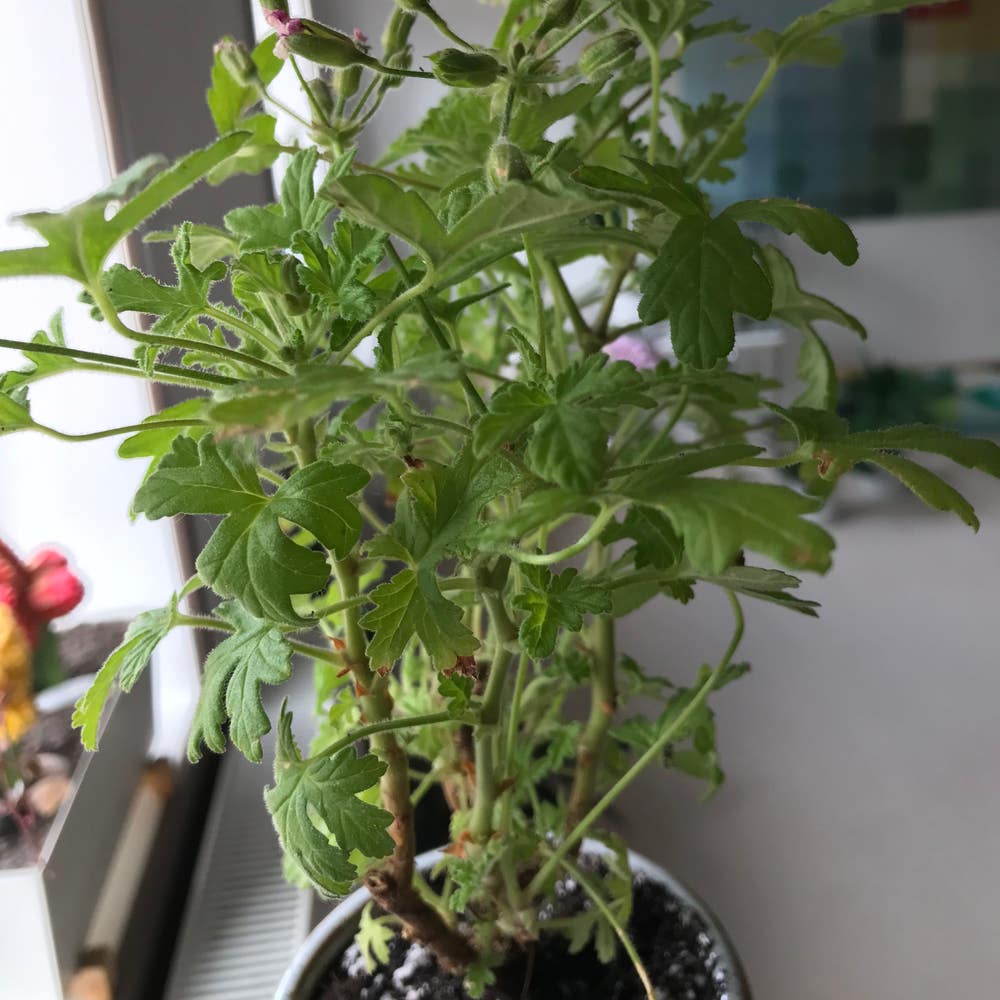
3 Tips for Healing Black Spots on Your Zebra Mallow 🦓
Malva sylvestris 'Zebrina'
By the Greg Editorial Team
Oct 04, 2024•4 min read
This article was created with the help of AI so we can cover more plants for you. May contain errors. See one? Report it here.
Revive your Zebra Mallow 🌱 by learning to diagnose and treat black spots for a healthier, thriving plant!
- 🌱 Identify infections: Fungal shows powdery growth; bacterial has water-soaked lesions.
- 💧 Manage humidity and ensure well-drained soil to prevent black spots.
- ☀️ Provide at least six hours of sunlight daily for optimal Zebra Mallow health.
Diagnosing the Problem
Differentiating Between Fungal and Bacterial Infections 🦠
Identifying whether your Zebra Mallow is suffering from a fungal or bacterial infection is crucial for effective treatment. Fungal infections typically present as powdery or fuzzy growths on the leaves, often with a defined edge, signaling a need for immediate action.
In contrast, bacterial infections manifest as water-soaked lesions that may ooze and have irregular shapes. Recognizing these differences early can save your plant from further damage.
Role of Environmental Factors in Leaf Spots 🌧️
Environmental factors play a significant role in the health of your Zebra Mallow. High humidity levels can create a perfect breeding ground for fungal growth, making it essential to monitor moisture in the air.
Soil moisture management is equally important; well-drained soil helps prevent root rot and leaf diseases. Additionally, insufficient sunlight can weaken your plant, increasing its susceptibility to various diseases. Ensuring your Zebra Mallow receives adequate light is vital for its overall health.
Treatment Options
🌱 Organic Fungicides and Their Application
When dealing with black spots on your Zebra Mallow, organic fungicides can be a game changer. Popular options include neem oil, sulfur, and copper-based products, each with unique properties that target fungal infections effectively.
For the best results, timing is crucial. Apply these fungicides during the early morning or late afternoon to avoid the harsh midday sun. Aim for a frequency of every 7 to 14 days, ensuring complete coverage of affected areas for maximum impact.
🏡 Home Remedies for Treating Black Spots
If you prefer a DIY approach, home remedies can also be effective. A simple baking soda solution can work wonders; mix one tablespoon of baking soda with a gallon of water and spray it on the affected leaves.
Another great option is a milk spray. Combine one part milk with two parts water and apply it to your plants. This not only helps treat existing spots but also acts as a preventive measure against future outbreaks.
✂️ Pruning Affected Leaves
Pruning is essential for promoting recovery in your Zebra Mallow. The best time to prune is when you first notice black spots, as early intervention can prevent further spread.
Use sharp, clean tools to minimize stress on the plant. Cut away affected leaves at their base, ensuring you dispose of them properly to avoid re-infection. This technique not only improves air circulation but also encourages new growth.
With these treatment options, you can effectively manage and heal black spots on your Zebra Mallow. Next, let’s explore preventive measures to keep your plant healthy and thriving.
Preventive Measures
Proper Watering Techniques 💧
Maintaining a consistent watering schedule is crucial for your Zebra Mallow. Aim to water deeply but infrequently, allowing the soil to dry out between sessions to prevent overwatering.
Before you water, always check the soil moisture levels. Stick your finger about an inch into the soil; if it feels dry, it’s time to water. This simple practice can save your plant from root rot and other moisture-related issues.
Importance of Sunlight and Air Circulation ☀️
Zebra Mallow thrives in full sun to partial shade. Ensure your plant receives at least six hours of sunlight daily for optimal health and growth.
Air circulation is equally important. Space your plants appropriately to reduce humidity around the foliage, which helps prevent fungal infections and promotes overall vigor.
Soil Health and Nutrient Management 🌱
The right soil composition is vital for your plant's success. Well-draining soil prevents water accumulation, which can lead to root problems.
Nutrient management is also key. Regularly fertilize your Zebra Mallow with a balanced fertilizer to support strong, healthy growth. This will not only enhance its resilience but also keep those pesky black spots at bay.
By implementing these preventive measures, you can significantly improve your Zebra Mallow's health and reduce the risk of black spots. Next, let’s explore seasonal considerations to ensure your plant thrives year-round.
Seasonal Considerations
🌱 Care During the Growing Season
Monitoring your Zebra Mallow for early signs of leaf spots is crucial. Regular inspections allow for timely interventions, which can prevent minor issues from escalating into major problems.
Establishing a fertilization schedule is equally important during peak growth. Ensure your plant receives the right nutrients to thrive, enhancing its resilience against diseases.
❄️ Winter Care to Prevent Black Spots
Protecting your Zebra Mallow from frost is essential as temperatures drop. Use mulching and covering techniques to shield your plants from harsh winter conditions.
Additionally, reducing humidity indoors can help prevent black spots on potted Zebra Mallow. Implementing simple care tips during colder months will keep your plants healthy and vibrant.
By staying proactive in both growing and winter seasons, you can ensure your Zebra Mallow remains robust and free from black spots. Next, let’s explore preventive measures to maintain plant health year-round.
⚠️ Safety First
This content is for general information and may contain errors, omissions, or outdated details. It is not medical, veterinary advice, or an endorsement of therapeutic claims.
Always consult a qualified healthcare professional before using any plant as food, medicine, or supplement.
Never eat any plant (or feed one to pets) without confirming its identity with at least two trusted sources.
If you suspect poisoning, call Poison Control (800) 222-1222, the Pet Poison Helpline (800) 213-6680, or your local emergency service immediately.
Spotted an error? Please report it here.
Heal those black spots and revitalize your Zebra Mallow 🌱 with Greg's tailored care tips and reminders, ensuring your plant stays healthy and thriving all year long!