🦓 Zebra Mallow is an Invasive Plant
Malva sylvestris 'Zebrina'
By the Greg Editorial Team
Oct 04, 2024•6 min read
This article was created with the help of AI so we can cover more plants for you. May contain errors. See one? Report it here.
Master Zebra Mallow management to safeguard your garden and local ecosystems from invasive threats! 🌱
- 🌱 Zebra Mallow is invasive, rapidly spreading and outcompeting native plants.
- 🦋 It disrupts ecosystems, reducing biodiversity and affecting wildlife populations.
- 🛠️ Control methods include manual removal and eco-friendly biological options.
Plant Classification
Definition of Invasive Species and Weeds 🌱
Invasive species are non-native plants that spread rapidly, often wreaking havoc on local ecosystems. Weeds, on the other hand, are plants that grow where they aren't wanted, frequently competing with cultivated plants for resources.
Criteria for Classification as a Weed or Invasive Plant 📋
To be classified as a weed or invasive plant, a species must exhibit rapid spread, allowing it to quickly colonize new areas. Additionally, its competitive nature enables it to outcompete native flora for essential resources, leading to significant ecological impacts that alter habitats and reduce biodiversity.
Understanding these classifications is crucial for recognizing the challenges posed by plants like Zebra Mallow. By identifying these characteristics, we can better manage their spread and protect our native ecosystems.
Identification
Key Identifying Features 🌿
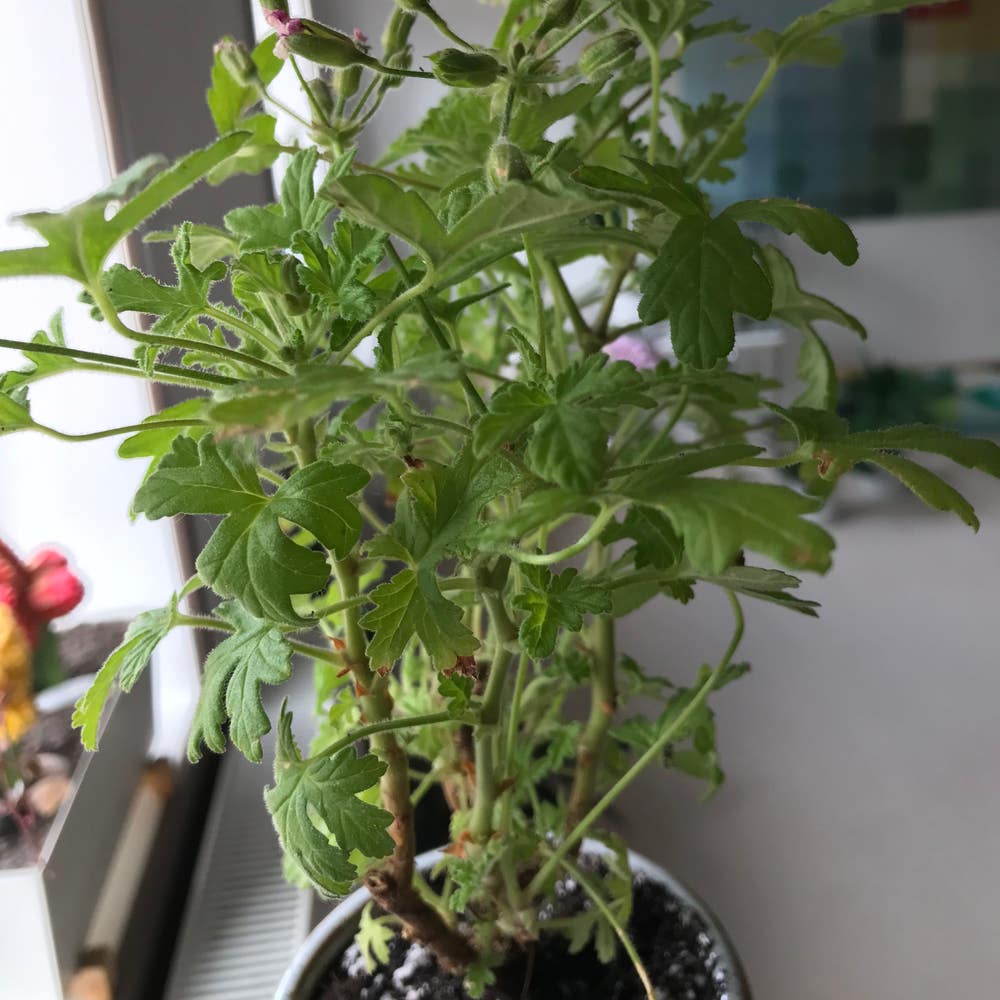
Zebra Mallow is easily recognizable by its broad, lobed leaves, which are heart-shaped with a serrated edge. Its distinctive purple flowers, featuring five petals, bloom from late spring to early fall, adding a splash of color to its surroundings.
This plant can grow impressively tall, reaching heights of 2 to 3 feet. Its robust growth habit allows it to dominate areas quickly, making identification crucial for effective management.
Comparison with Look-Alike Plants 👀
While Zebra Mallow stands out, it does have look-alikes, such as Common Mallow and other Malva species. To distinguish them, pay attention to the leaf shape, flower color, and overall growth habit.
Zebra Mallow's heart-shaped leaves and vibrant purple flowers set it apart from its relatives. Understanding these differences is vital for gardeners and land managers aiming to control its spread effectively.
With a solid grasp of identification, you're better equipped to tackle the challenges posed by this invasive plant. Next, let’s delve into its growth habits and spread.
Growth Habits and Spread
Typical Growth Patterns 🌱
Zebra Mallow is notorious for its rapid growth. It can easily establish itself in various environments, particularly in disturbed soils, making it a common sight in gardens and along roadsides.
Its lifespan is typically biennial, but in some climates, it can act like an annual, completing its life cycle in just one season. This adaptability contributes to its invasive nature.
Reproductive Strategies and Methods of Spread 🌾
One of the most alarming features of Zebra Mallow is its prolific seed production. Each plant can produce thousands of seeds, ensuring its presence in new areas.
Seed dispersal occurs through multiple channels, including wind, water, and animal activity. This wide-ranging distribution method allows Zebra Mallow to colonize quickly and efficiently.
Environmental Conditions that Favor Its Growth ☀️
Zebra Mallow thrives in full sun to partial shade, making it versatile in various light conditions.
It particularly favors poor, disturbed soils, often found in roadsides and gardens. This preference for less-than-ideal conditions allows it to outcompete native plants, further solidifying its invasive status.
Understanding these growth habits and spread mechanisms is crucial for effective management. Next, we will explore the ecological impacts of Zebra Mallow on native plant communities and wildlife.
Ecological Impact
Effects on Native Plant Communities 🌱
Zebra Mallow aggressively outcompetes native flora, leading to a significant reduction in biodiversity. This invasive plant alters habitat structure, making it difficult for native species to thrive.
Impact on Wildlife and Biodiversity 🦋
By displacing native species, Zebra Mallow disrupts the food web and habitat availability for wildlife. Pollinators, which depend on native plants, may find their resources dwindling, potentially harming their populations.
Influence on Soil and Water Resources 💧
Zebra Mallow changes soil composition, affecting moisture retention and nutrient availability. In areas where it dominates, this plant can lead to increased erosion, further destabilizing the ecosystem.
Understanding these ecological impacts is crucial for effective management and control of Zebra Mallow. By recognizing its detrimental effects, we can better appreciate the importance of preserving our native ecosystems.
Control and Management
👐 Manual Removal Techniques and Best Practices
Manual removal is a straightforward yet effective way to control Zebra Mallow.
- Hand-pulling: This method is most effective before the plant flowers, as it prevents seed spread.
- Digging: Ensure you remove the entire root system to prevent regrowth.
- Disposal: Properly dispose of removed plants to avoid re-establishment in your garden.
⚗️ Chemical Control Options and Safety Considerations
Chemical control can also be effective, but it requires caution.
- Herbicides: Both selective and non-selective options are available, so choose based on your specific needs.
- Safety precautions: Always wear protective gear and follow label instructions to ensure safe application.
🦠 Biological Control Methods and Their Effectiveness
Biological control methods offer a more eco-friendly approach.
- Consider introducing natural predators or pathogens that target Zebra Mallow, if available.
- Ongoing research is crucial to assess the effectiveness and ecological safety of these methods.
🚫 Preventive Measures to Limit Spread
Prevention is key in managing Zebra Mallow.
- Regularly monitor your gardens and disturbed areas for new growth.
- Promptly remove any new plants before they establish, keeping your space clear.
🔍 Importance of Early Detection and Rapid Response
Early detection can make a significant difference in managing infestations.
- Develop strategies for identifying early signs of Zebra Mallow.
- Community involvement is essential; working together enhances monitoring efforts and promotes a healthier ecosystem.
By implementing these control and management strategies, you can help mitigate the impact of Zebra Mallow in your area. Next, we’ll explore the legal status surrounding this invasive plant and what it means for gardeners and land managers.
Legal Status
Overview of Laws and Regulations 🌐
Understanding the legal framework surrounding invasive species like Zebra Mallow is crucial. Local and state regulations often dictate how these plants should be managed, with specific restrictions on their sale and transport in certain areas.
Requirements for Removal or Control ⚖️
Landowners and managers must adhere to guidelines for controlling invasive species. Non-compliance can lead to potential fines or penalties, emphasizing the importance of following established protocols.
Implications for Gardeners and Land Managers 🌱
Gardeners and land managers need to grasp their legal responsibilities regarding invasive species. Resources are available to help them navigate compliance and effective management strategies, ensuring they contribute positively to their local ecosystems.
By staying informed and proactive, individuals can play a vital role in controlling the spread of Zebra Mallow and protecting native flora.
Potential Benefits or Uses
🏺 Historical Uses
Zebra Mallow has a rich history in traditional herbal medicine. Various cultures have utilized its properties for medicinal purposes, showcasing its cultural significance in certain regions.
🍽️ Current Beneficial Uses
Today, Zebra Mallow finds limited use in culinary dishes and as an ornamental plant. However, it’s crucial to note that these benefits pale in comparison to its ecological impacts.
⚠️ Emphasis on Negative Impacts
Allowing Zebra Mallow to thrive can lead to significant ecological and economic drawbacks. Its invasive nature disrupts local ecosystems, outcompeting native species and diminishing biodiversity, which ultimately outweighs any perceived benefits.
In summary, while Zebra Mallow may have historical and limited contemporary uses, its invasive characteristics pose serious threats to the environment. Understanding these implications is vital for effective management and conservation efforts.
⚠️ Safety First
This content is for general information and may contain errors, omissions, or outdated details. It is not medical, veterinary advice, or an endorsement of therapeutic claims.
Always consult a qualified healthcare professional before using any plant as food, medicine, or supplement.
Never eat any plant (or feed one to pets) without confirming its identity with at least two trusted sources.
If you suspect poisoning, call Poison Control (800) 222-1222, the Pet Poison Helpline (800) 213-6680, or your local emergency service immediately.
Spotted an error? Please report it here.
Protect your garden from invasive Zebra Mallow 🌱 by leveraging Greg's plant identification and community support to stay informed and take action against its spread!