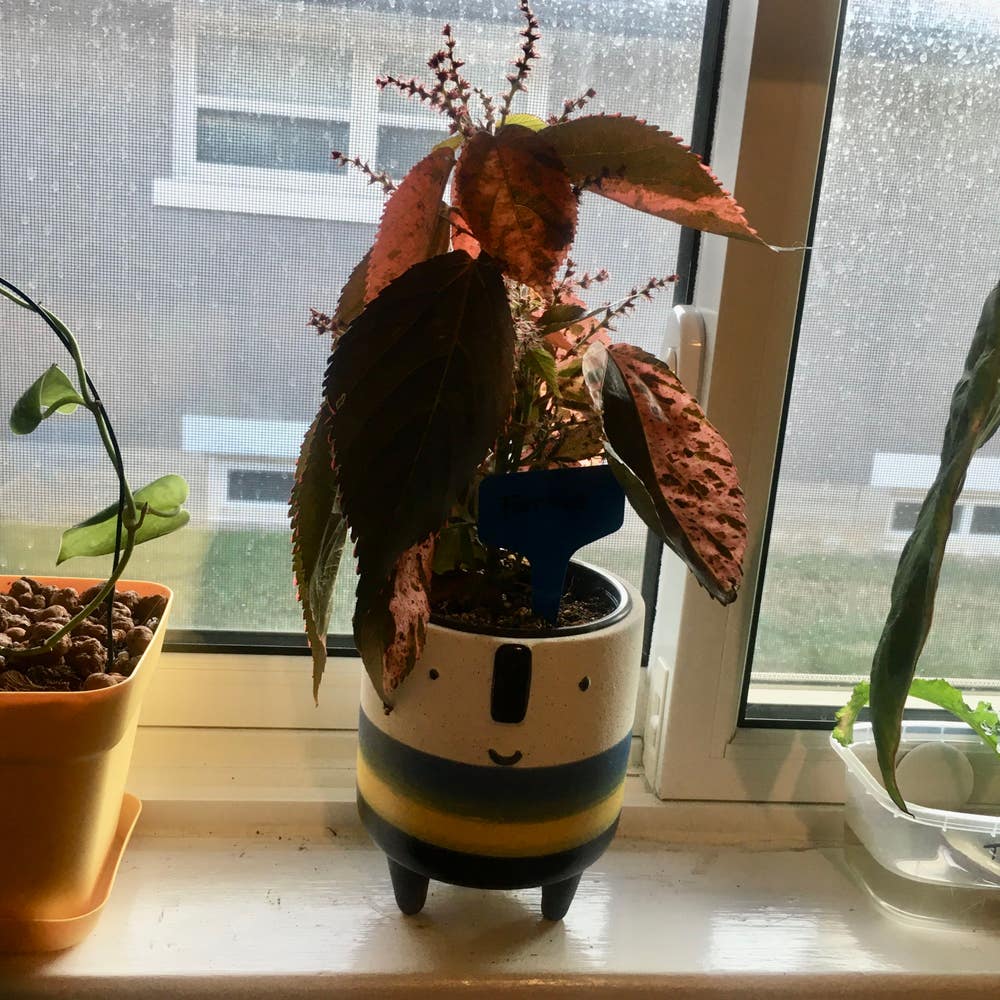
6 Perfect Spots to Plant Your Firetails Chenille 🔥
Acalypha hispida
By the Greg Editorial Team
Sep 29, 2024•4 min read
This article was created with the help of AI so we can cover more plants for you. May contain errors. See one? Report it here.
Create a vibrant garden 🌼 by discovering the best spots for your Firetails Chenille to thrive!
- ☀️ Firetails Chenille thrive in full sun; observe sunlight patterns before planting.
- 🌱 Soil testing ensures optimal pH and nutrients for healthy growth.
- 🌬️ Protect from drafts and frost to maintain plant health and vitality.
Assessing the Best Spot
🌞 Evaluating Sunlight Patterns
To ensure your Firetails Chenille thrive, start by observing sunlight exposure throughout the day. Take note of areas that bask in consistent sunlight versus those that remain shaded.
You can utilize tools like sunlight meters for precise readings or simply keep an observation log. This will help you identify the best spots for planting.
🌱 Analyzing Soil Conditions and Drainage
Next, conduct a soil test to assess pH and nutrient levels. This step is crucial for understanding whether your chosen site supports healthy growth.
Drainage is another key factor; ensure the area doesn’t retain water. If necessary, improve soil conditions by adding organic matter or sand to enhance drainage.
🌤️ Considering Microclimates in Your Landscape
Microclimates are variations in climate within a small area, and they can significantly impact your Firetails. Look for warmer spots, especially near walls or fences that absorb heat.
Utilizing these microclimates can be beneficial. Planting Firetails in sheltered areas can offer frost protection, ensuring they flourish even in cooler months.
By carefully assessing sunlight, soil, and microclimates, you set the stage for a vibrant garden. Next, let’s explore the differences between indoor and outdoor planting for your Firetails.
Indoor vs. Outdoor Planting
Best Indoor Locations for Firetails 🌞
For thriving Firetails, position them near south or west-facing windows. These spots provide the maximum sunlight they crave.
Humidity plays a crucial role, so consider placing your plants near humidifiers or in naturally humid areas like kitchens or bathrooms.
Avoid drafts by steering clear of air conditioning vents or open windows, as these can stress your plants.
Outdoor Site Selection Tips 🌳
When selecting an outdoor location, prioritize areas that receive full sun and have good airflow. This ensures your Firetails get the light they need to flourish.
Be mindful of seasonal changes; avoid low-lying areas that are prone to frost during colder months.
Lastly, assess existing landscape features. Trees or structures can serve as natural windbreaks, protecting your Firetails from harsh winds.
With the right indoor or outdoor setup, your Firetails will thrive beautifully, setting the stage for the next topic on environmental considerations.
Environmental Considerations
🌬️ Wind Protection Strategies
Wind can be a silent enemy for your Firetails Chenille. Strong gusts can damage their delicate flower spikes, so it's crucial to implement wind protection strategies.
Natural barriers like hedges or fences can effectively shield your plants from harsh winds. Positioning your Firetails away from prevailing wind directions also helps minimize exposure.
☀️ Shade Tolerance and Sun Requirements
Understanding shade tolerance is key to nurturing healthy Firetails. While they thrive in full sun, partial shade can impact their growth and flowering.
Watch for signs of inadequate sunlight, such as stunted growth and fewer blooms. Adjusting your planting locations based on seasonal sun changes can ensure your Firetails receive the light they need to flourish.
With these environmental considerations in mind, you're well on your way to creating a thriving garden. Next, let’s explore the benefits of companion planting to enhance your Firetails’ growth.
Companion Planting
🌼 Suitable Plants to Grow Near Firetails
When planting Firetails, consider companions like marigolds and zinnias. These vibrant flowers attract pollinators, enhancing your garden's biodiversity.
Companion planting not only boosts pollination but also aids in pest control. By diversifying your plant selection, you create a more resilient ecosystem.
Ensure that your companion plants are spaced appropriately. This prevents them from overshadowing your Firetails, allowing each plant to thrive.
🚫 Avoiding Plants That May Hinder Growth
Be cautious of plants that compete for nutrients or attract pests. Heavy feeders or invasive species can hinder the growth of your Firetails.
Identifying harmful companions is crucial. Avoid plants that may disrupt the balance in your garden, ensuring a harmonious environment.
Understanding plant compatibility is key to a thriving garden. By choosing the right neighbors for your Firetails, you foster a healthy and productive landscape.
With these companion planting strategies, you can create a flourishing garden that supports your Firetails. Next, let’s explore the environmental considerations that will further enhance your planting success.
⚠️ Safety First
This content is for general information and may contain errors, omissions, or outdated details. It is not medical, veterinary advice, or an endorsement of therapeutic claims.
Always consult a qualified healthcare professional before using any plant as food, medicine, or supplement.
Never eat any plant (or feed one to pets) without confirming its identity with at least two trusted sources.
If you suspect poisoning, call Poison Control (800) 222-1222, the Pet Poison Helpline (800) 213-6680, or your local emergency service immediately.
Spotted an error? Please report it here.
Create a thriving home for your Firetails 🌱 by using Greg's tailored tips for optimal sunlight and humidity, ensuring your plants flourish in their perfect spots!