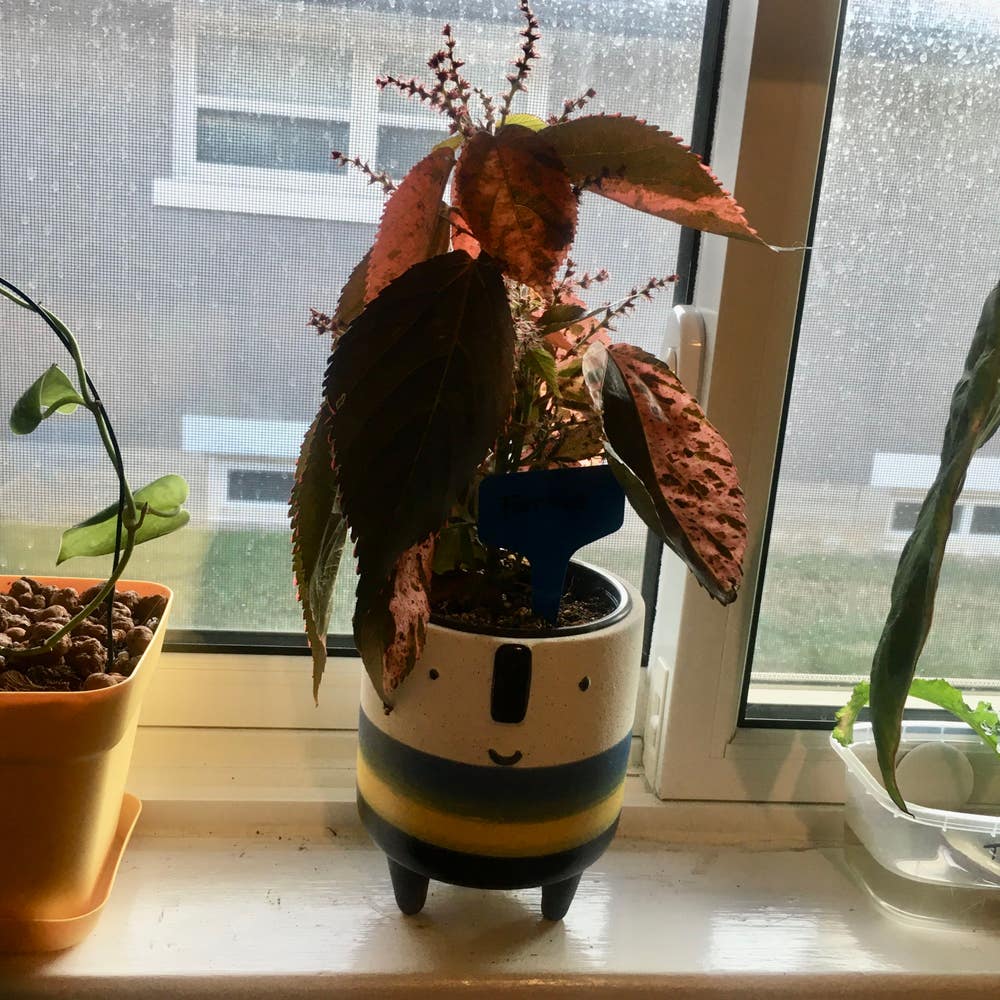
How Big a Chenille Plant Gets 🐛
Acalypha hispida
By the Greg Editorial Team
Oct 16, 2024•5 min read
This article was created with the help of AI so we can cover more plants for you. May contain errors. See one? Report it here.
Cultivate a stunning chenille plant 🌱 by mastering its growth and care for vibrant indoor beauty!
- 🌱 Chenille plants grow 3-4 feet tall and spread 2-3 feet in ideal conditions.
- 🌞 Optimal light, water, and soil are essential for maximizing growth potential.
- ⏳ Full size achieved in 2-3 years with proper care and patience.
Mature Height and Spread
Typical Mature Dimensions 🌱
The chenille plant typically reaches an average height of 3-4 feet (0.9-1.2 meters) and spreads about 2-3 feet (0.6-0.9 meters). These dimensions make it a striking addition to any garden or indoor space.
Size Variability 📏
Several factors can influence the size of your chenille plant. Growing conditions such as light, water, and soil quality play a significant role in determining its ultimate size.
- Container vs. Ground Planting: Plants grown in the ground often achieve larger sizes compared to those in containers. This is due to the unrestricted root growth in open soil.
In optimal conditions, you can expect your chenille plant to flourish, reaching its full potential. Conversely, suboptimal conditions can stunt its growth, resulting in a much smaller plant.
Understanding these variables can help you create the best environment for your chenille plant, ensuring it thrives and adds beauty to your space.
As we explore the growth rate of the chenille plant next, you'll see how these factors come into play over time.
Growth Rate
🌱 Growth Patterns
The chenille plant boasts a moderate to fast growth rate, heavily influenced by its environment. During the initial establishment phase, expect it to take about 6 to 12 months to reach a noticeable height.
After this phase, under optimal conditions, the plant can achieve its full size within 2 to 3 years. This growth trajectory makes it a rewarding choice for gardeners eager to see results.
🌼 Seasonal Growth Patterns
Spring and summer are the prime seasons for active growth. During these months, the chenille plant thrives, soaking up sunlight and nutrients.
As fall and winter approach, growth slows significantly, often leading to a period of dormancy. Understanding these seasonal patterns can help you provide the best care for your plant throughout the year.
With this knowledge, you're better equipped to nurture your chenille plant effectively, ensuring it reaches its full potential. Next, let’s explore how long it takes for your plant to reach maturity.
Time to Reach Full Size
Timeline for Maturity 🌱
The time it takes for a Chenille plant to reach its full size can vary significantly based on several factors. Key influences include environmental conditions like temperature and humidity, as well as soil quality and pot size.
In general, you can expect the following growth timeline:
- 1 Year: The plant typically reaches a height of 1-2 feet.
- 2 Years: It grows to about 3-4 feet tall, nearing its full size.
- 3 Years: The Chenille plant achieves its mature dimensions.
Understanding this timeline helps you set realistic expectations for your plant's growth. By providing optimal conditions, you can encourage faster maturation and enjoy the lush beauty of your Chenille plant sooner.
As you nurture your plant, keep in mind that patience is key. With the right care, your Chenille will flourish, leading to a vibrant addition to your space.
Next, let’s explore how various growing conditions can impact the size variability of your Chenille plant.
Size Variability Based on Growing Conditions
🌍 Environmental Factors
The size of a chenille plant can vary significantly based on its growing conditions. Light requirements play a crucial role; plants thrive in full sun but can adapt to partial shade, although this may limit their growth.
Watering practices are equally important. Consistent moisture promotes healthy growth, while drought stress can stunt development. Additionally, soil quality matters—nutrient-rich soil supports robust plants, whereas poor soil can lead to smaller, less vigorous growth.
🌱 Container vs. Ground Planting
The choice between container and ground planting also influences size. Smaller pots can restrict root growth, resulting in smaller plants. In contrast, larger pots provide ample space for root systems to expand, leading to more substantial growth.
Understanding these factors can help you create the ideal environment for your chenille plant. By optimizing light, water, and soil conditions, you can encourage your plant to reach its full potential.
Next, let’s explore how growth rates can vary based on these conditions.
Controlling Size
Pruning Techniques for Size Control ✂️
To keep your chenille plant looking its best, regular pruning is essential. Start by pinching back the tips of the stems; this encourages bushier growth and a fuller appearance.
Removing any leggy growth is also crucial. This helps maintain the desired height and keeps the plant looking neat and tidy.
Tips for Maintaining Desired Dimensions 📏
Monitoring your plant's growth is key to achieving the size you want. Adjust your care practices as needed to ensure it thrives.
A seasonal pruning schedule is recommended, with the best time to prune being early spring. This timing allows the plant to bounce back quickly as it enters its active growth phase.
Impact of Fertilization on Growth Size 🌱
Balanced fertilization plays a significant role in controlling your plant's size. Over-fertilizing can lead to excessive growth, making it difficult to manage.
Conversely, under-fertilization can stunt growth, preventing your chenille plant from reaching its full potential. Finding the right balance is essential for a healthy, manageable plant.
As you refine your care routine, you'll find it easier to maintain your chenille plant's size and shape. Next, let’s explore how environmental factors can further influence its growth.
⚠️ Safety First
This content is for general information and may contain errors, omissions, or outdated details. It is not medical, veterinary advice, or an endorsement of therapeutic claims.
Always consult a qualified healthcare professional before using any plant as food, medicine, or supplement.
Never eat any plant (or feed one to pets) without confirming its identity with at least two trusted sources.
If you suspect poisoning, call Poison Control (800) 222-1222, the Pet Poison Helpline (800) 213-6680, or your local emergency service immediately.
Spotted an error? Please report it here.
Nurture your chenille plant to full bloom 🌿 with Greg's tailored care reminders and growth tracking, ensuring it thrives beautifully in your home!