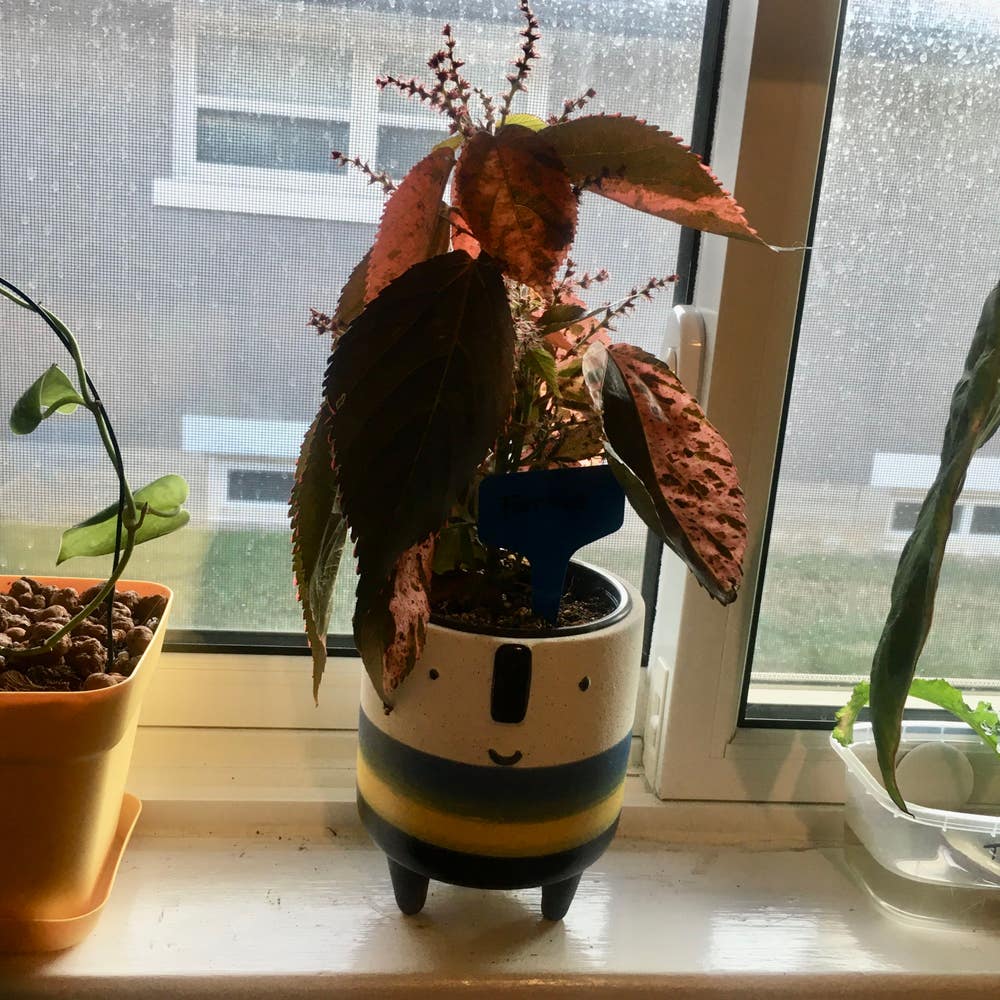
🌱 All About Your Chenille Plant's Roots
Acalypha hispida
By the Greg Editorial Team
Oct 16, 2024•5 min read
This article was created with the help of AI so we can cover more plants for you. May contain errors. See one? Report it here.
Master root care for your Chenille Plants 🌱 and watch them thrive with vibrant growth and resilience!
- 🌱 Chenille Plant roots enhance nutrient uptake and stability in various soils.
- 🌿 Proper watering and drainage prevent root rot and promote healthy growth.
- 🌼 Transplant in spring for optimal root health and adaptability in new pots.
Root System Characteristics
Type of Root System 🌱
The Chenille Plant features a fibrous root system. This network of thin, branching roots spreads out from the base, creating a robust foundation.
The advantages of this system are significant. It allows for efficient nutrient uptake and provides stability in various soil conditions, making it adaptable to different environments.
Root Depth, Spread, and Growth Patterns 📏
Typically, the roots can reach depths of up to 12 inches, depending on the pot size and soil conditions.
In terms of spread, these roots can extend 18-24 inches wide, which enhances the plant's adaptability to various pot sizes.
During the growing season, the growth rate is rapid, with roots expanding to support the lush foliage above. This vigorous growth is essential for the overall health of your Chenille Plant.
Understanding these characteristics is crucial for effective care. A well-developed root system not only supports the plant but also plays a vital role in its resilience and ability to thrive.
Watering and Fertilizing Techniques
🌱 How Root System Affects Care
Watering your Chenille Plant effectively is crucial for its root health. The general guideline is to water when the top inch of soil feels dry to the touch.
Proper drainage is equally important. Using well-draining soil helps prevent root rot, a common issue that can devastate your plant.
🧪 Fertilization Essentials
When it comes to fertilization, a balanced NPK fertilizer is your best bet during the growing season. Apply it monthly while the plant is actively growing, but reduce the frequency in winter.
Keep an eye out for signs of nutrient deficiency. Yellowing leaves and stunted growth can indicate underlying root health issues that need addressing.
📋 Summary
Understanding how to water and fertilize your Chenille Plant is key to maintaining its vibrant health. By following these guidelines, you can ensure your plant thrives, setting the stage for successful transplanting and propagation.
Transplanting and Root Health
Best Practices for Transplanting 🌱
Transplanting your Chenille Plant is crucial for its growth and health. The best time to do this is during spring or early summer when the plant is actively growing.
To ensure a smooth transplant, follow these steps:
- Prepare a new pot with fresh, well-draining soil.
- Gently remove the plant from its current pot, taking care not to damage the roots.
- Place the plant in the new pot, ensuring roots are spread out.
- Water thoroughly after transplanting to help settle the soil.
Identifying and Addressing Root-Related Issues 🧐
Keeping an eye on your plant's roots is essential for its overall health. Symptoms of root rot include wilting leaves, yellowing, and mushy roots.
Root rot often stems from overwatering, poor drainage, or compacted soil. To prevent these issues:
- Use well-draining soil and pots with adequate drainage holes.
- Monitor your watering habits closely to avoid excess moisture.
If you notice root problems, treatment options include:
- Removing affected roots and repotting in fresh soil.
- Adjusting your watering schedule to allow the soil to dry out between waterings.
By staying proactive about transplanting and root health, you can ensure your Chenille Plant thrives. This sets the stage for a healthy, vibrant plant that brings joy to your space.
Next, let’s explore how to recognize rootbound conditions and remedy them effectively.
Recognizing Rootbound Conditions
📏 Definition and Signs
Rootbound refers to a condition where a plant's roots grow in a tight circle, limiting its growth potential. You can spot this issue if you see roots visible on the surface or growing out of the drainage holes, often accompanied by stunted growth.
🛠️ Steps to Remedy Rootbound Issues
If you suspect your Chenille Plant is rootbound, follow these steps to help it thrive again:
- Gently remove the plant from its pot.
- Loosen the roots by gently untangling them.
- Repot in a larger container with fresh soil.
- Water thoroughly to encourage new growth.
Taking these actions will not only alleviate the rootbound condition but also promote healthier growth. Remember, a little care goes a long way in ensuring your plant flourishes!
With root health addressed, let’s explore the importance of root health in propagation.
Importance of Root Health in Propagation
🌱 Techniques for Effective Division
Spring is the ideal time for dividing your Chenille Plant. During this active growth phase, the plant is more resilient and can handle the stress of division.
To divide, follow these steps:
- Remove the plant from its pot.
- Carefully separate the root ball into sections, ensuring each section has roots and foliage.
- Replant the sections in individual pots filled with appropriate soil.
This method not only promotes healthy growth but also allows for the creation of new plants.
🌿 Role of Root Health in Overall Plant Resilience
Healthy roots are the backbone of successful propagation. They ensure that new plants can thrive and adapt to their environment.
During the establishment phase, it's crucial to monitor moisture and nutrient levels closely. This vigilance helps prevent stress and encourages robust growth in your newly propagated plants.
By focusing on root health, you set the stage for a flourishing garden filled with vibrant Chenille Plants.
⚠️ Safety First
This content is for general information and may contain errors, omissions, or outdated details. It is not medical, veterinary advice, or an endorsement of therapeutic claims.
Always consult a qualified healthcare professional before using any plant as food, medicine, or supplement.
Never eat any plant (or feed one to pets) without confirming its identity with at least two trusted sources.
If you suspect poisoning, call Poison Control (800) 222-1222, the Pet Poison Helpline (800) 213-6680, or your local emergency service immediately.
Spotted an error? Please report it here.
Nurture your Chenille Plant's roots for vibrant growth 🌱 by using Greg's tailored watering reminders and expert care tips to keep it thriving all year round!