🔥 Firetails Chenille: Not an Invasive Plant
Acalypha hispida
By the Greg Editorial Team
Sep 29, 2024•6 min read
This article was created with the help of AI so we can cover more plants for you. May contain errors. See one? Report it here.
Enhance your garden with Firetails Chenille 🌼, a beautiful non-invasive plant that attracts pollinators and supports local ecosystems!
- 🌱 Firetails Chenille is non-invasive, making it a safe garden choice.
- 🐝 Attracts pollinators like bees and butterflies, enhancing local biodiversity.
- 🌼 Low maintenance and drought-tolerant, perfect for busy gardeners seeking beauty.
Plant Classification
Definition of Invasive Plants 🌱
Invasive plants are characterized by their rapid growth and ability to spread uncontrollably. They often displace native flora, leading to negative impacts on local ecosystems.
Characteristics of Firetails Chenille 🌼
Firetails Chenille boasts a moderate growth rate, typically reaching heights of 2-3 feet. Its low spread potential makes it easy to manage within garden settings, ensuring it won’t take over your space.
Explanation of Non-Invasive Status 🚫
Unlike invasive species, Firetails Chenille does not exhibit aggressive growth patterns. Its limited spread potential and compatibility with native plants solidify its status as a non-invasive plant, making it a great choice for any garden.
With its manageable growth and harmonious coexistence with local flora, Firetails Chenille is an excellent addition to your gardening endeavors. Next, let’s explore its growth habits in more detail.
Growth Habits
Typical Growth Patterns in Gardens 🌼
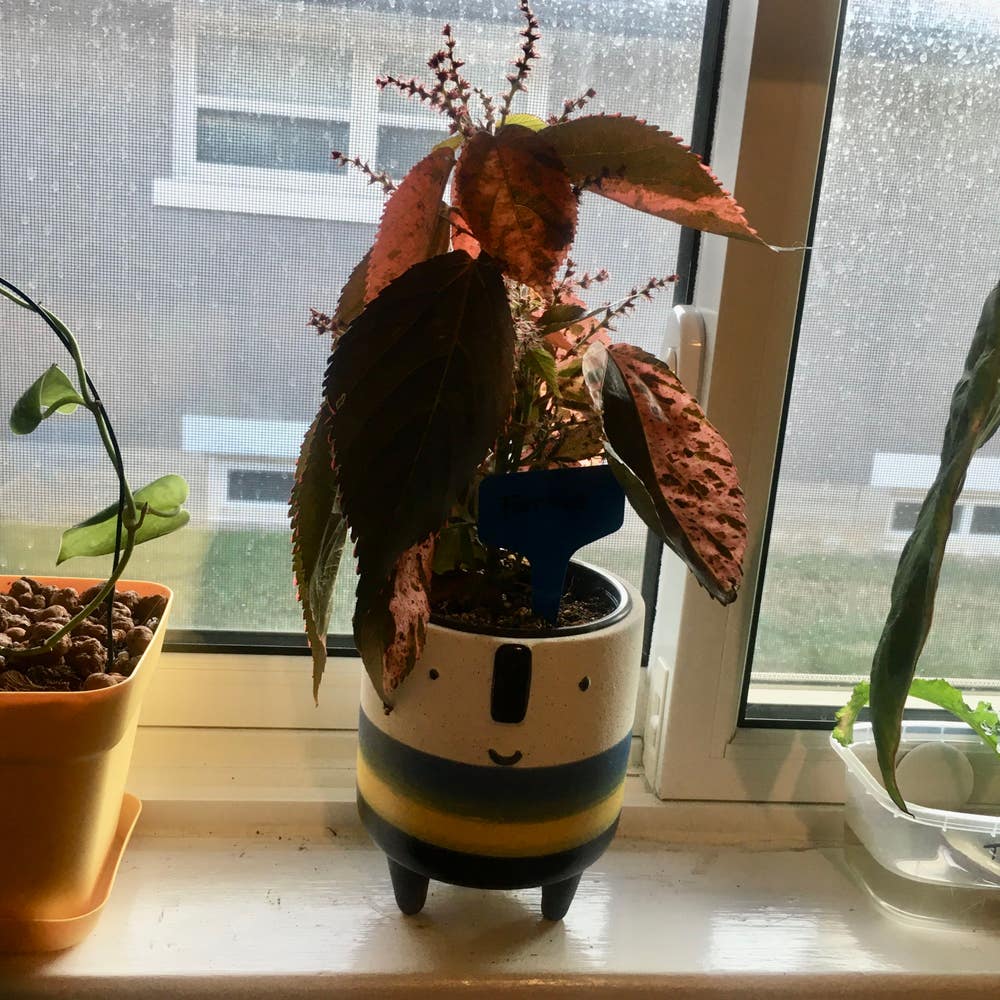
Firetails Chenille showcases an upright, bushy form adorned with fuzzy flower spikes. Blooming from late summer to early fall, it attracts a variety of pollinators, adding vibrancy to any garden.
Natural Limits to Growth 🌱
This plant thrives in well-drained soils and prefers full sun to partial shade. Once established, it exhibits drought tolerance, requiring minimal water, making it a fantastic choice for low-maintenance gardens.
Spread Potential and Management ✂️
Firetails Chenille has minimal self-seeding capabilities, limiting its potential to spread uncontrollably. Regular monitoring and occasional pruning are recommended to maintain its desired shape and size, ensuring it remains a manageable addition to your garden.
With its appealing growth habits and easy management, Firetails Chenille is a delightful choice for enhancing garden aesthetics while supporting local ecosystems. Next, we’ll explore its ecological role and the benefits it brings to local wildlife.
Ecological Role
Benefits to Local Ecosystems 🌼
Firetails Chenille is a true gem for local ecosystems. Its vibrant flowers attract bees and butterflies, playing a crucial role in enhancing biodiversity.
This plant also provides essential habitat, offering shelter for beneficial insects and small wildlife. By creating safe spaces, it supports a thriving garden community.
Positive Interactions with Wildlife 🐝
This plant serves as a vital food source for pollinators and other beneficial insects. Its presence promotes a balanced ecosystem, fostering interactions that benefit all garden inhabitants.
Moreover, Firetails Chenille enhances garden health by supporting local fauna. This interconnectedness is key to a flourishing environment.
Contributions to Biodiversity 🌿
Incorporating Firetails Chenille adds variety to garden landscapes. It beautifully complements native plants and other ornamental species, enriching the overall aesthetic.
By encouraging a diverse range of wildlife, this plant contributes to a healthier ecosystem. Its role in promoting biodiversity is invaluable, making it a fantastic choice for any garden.
As we explore the next section on garden management, consider how Firetails Chenille can be integrated into your own outdoor spaces.
Garden Management
Incorporating Firetails Chenille into Garden Designs 🌼
Firetails Chenille is a fantastic addition to any garden. Its striking appearance makes it perfect for borders, mixed beds, or as a focal point.
Pairing it with other non-invasive plants creates a harmonious environment. This not only enhances visual appeal but also promotes a balanced ecosystem.
Aesthetic Considerations 🎨
The fuzzy flower spikes of Firetails Chenille offer unique color and texture. This contrast adds depth to your garden, making it visually engaging.
Blooming from late summer to early fall, it extends your garden's visual timeline. This seasonal interest keeps your outdoor space lively for longer.
Practical Growth Control Methods ✂️
Regular maintenance is key to a thriving Firetails Chenille. Pruning and deadheading encourage bushier growth and prolong blooming.
Keep an eye on plant health and spread to ensure it remains manageable. This proactive approach helps maintain the beauty and integrity of your garden.
Incorporating Firetails Chenille not only beautifies your space but also supports local ecosystems. Next, let’s explore how it compares to other plants in terms of non-invasive qualities.
Comparison to Other Plants
🌼 Similar Non-Invasive Plants
When considering non-invasive ornamental plants, Salvia and Echinacea often come to mind. Both are celebrated for their vibrant blooms and ability to attract pollinators, much like Firetails Chenille.
Salvia typically features upright spikes of flowers and thrives in sunny spots, while Echinacea, known for its daisy-like blooms, prefers well-drained soils. Each plant has its unique charm, but Firetails Chenille stands out with its fuzzy flower spikes and bushy growth.
✨ Unique Qualities of Firetails Chenille
What truly sets Firetails Chenille apart is its distinctive fuzzy flower spikes. This unique feature not only adds texture to your garden but also creates a striking visual contrast with other plants.
Additionally, its drought tolerance makes it a champion in water conservation. Once established, it requires minimal watering, making it a perfect choice for low-maintenance gardens.
🌿 Benefits in Garden Settings
Firetails Chenille is incredibly versatile, fitting seamlessly into various garden styles—from charming cottage gardens to sleek modern landscapes. Its adaptability allows gardeners to experiment with different designs without worrying about invasive spread.
Moreover, its low maintenance nature appeals to busy gardeners. With minimal care, you can enjoy its beauty and ecological benefits, making it a win-win for both aesthetics and sustainability.
Legal and Environmental Considerations
🌱 Relevant Classifications and Guidelines
Before planting Firetails Chenille, it's essential to check local regulations. Some areas may have specific guidelines regarding non-invasive plants, but Firetails Chenille is generally recognized as a safe choice for gardens.
This classification as a non-invasive plant promotes responsible gardening practices. By choosing Firetails Chenille, gardeners can contribute positively to their local ecosystems.
♻️ Sustainable Gardening Practices
Firetails Chenille is drought-tolerant, making it an excellent option for sustainable gardening. Its ability to thrive with minimal water helps conserve this precious resource.
Additionally, planting Firetails Chenille encourages biodiversity. It attracts various pollinators and supports local wildlife, enhancing the overall health of your garden.
🌼 Environmental Impact of Firetails Chenille
This plant plays a significant role in promoting pollinator health. Its vibrant flowers attract bees and butterflies, essential for a balanced ecosystem.
Moreover, Firetails Chenille has minimal negative effects on the environment. Its compatibility with native plants ensures that it enhances garden health rather than disrupts it.
Incorporating Firetails Chenille into your garden not only beautifies your space but also supports ecological well-being. As we move forward, let's explore how to effectively manage this remarkable plant in our gardens.
⚠️ Safety First
This content is for general information and may contain errors, omissions, or outdated details. It is not medical, veterinary advice, or an endorsement of therapeutic claims.
Always consult a qualified healthcare professional before using any plant as food, medicine, or supplement.
Never eat any plant (or feed one to pets) without confirming its identity with at least two trusted sources.
If you suspect poisoning, call Poison Control (800) 222-1222, the Pet Poison Helpline (800) 213-6680, or your local emergency service immediately.
Spotted an error? Please report it here.
Enhance your garden with the vibrant blooms of Firetails Chenille 🌼 while Greg provides tailored care tips to help you cultivate this beauty effortlessly!