When to Plant Your Kieffer Pear 🍐
Pyrus communis 'Kieffer'
By the Greg Editorial Team
Oct 19, 2024•5 min read
This article was created with the help of AI so we can cover more plants for you. May contain errors. See one? Report it here.
Unlock a bountiful Kieffer Pear harvest 🌳 by mastering the perfect planting timing and avoiding frost damage!
- 🌡️ Know local frost dates to protect young Kieffer Pear trees from damage.
- 🌍 USDA Plant Hardiness Zone Map helps determine optimal planting times by region.
- 🌱 Ideal soil temperature for planting Kieffer Pears is between 50°F and 70°F.
Planting Timing Factors
❄️ Frost Dates and Their Importance
Frost can be a young tree's worst enemy, especially for delicate buds and new growth. Understanding local frost dates is crucial to avoid damage and ensure a healthy start for your Kieffer Pear.
Different regions experience varying frost dates. For instance, Florida typically sees its last frost in early March, while Colorado may not be frost-free until late May.
To find your local frost dates, consult the USDA Plant Hardiness Zone Map. This resource helps you determine the best planting window based on your specific climate.
🌡️ Soil Temperature and Day Length
The ideal soil temperature for planting Kieffer Pears ranges from 50°F to 70°F (10°C to 21°C). This temperature range promotes healthy root development and overall growth.
To measure soil temperature accurately, use a soil thermometer. Simply insert it into the ground to get a reading, ensuring your planting conditions are just right.
Day length, or photoperiod, also plays a significant role in plant growth. Kieffer Pears thrive with 12-14 hours of daylight, which supports their development during the growing season.
Understanding these timing factors will set you up for success. With the right conditions, your Kieffer Pear can flourish, leading to a bountiful harvest.
Regional Planting Considerations
Florida 🌴
In Florida, the ideal time to plant your Kieffer Pear is from February to March. The warm climate and early frost dates make this window perfect for establishing young trees.
California 🌞
For California, aim to plant between March and April. The Mediterranean climate and specific soil temperature considerations play a crucial role in ensuring successful growth.
Texas 🤠
In Texas, the recommended planting period is also February to March. Given the state's varied climate zones, it's essential to be mindful of local frost date variability.
New York 🍎
If you're in New York, plan to plant your Kieffer Pear from April to May. Late frost dates and the need for soil warming are key factors influencing this timing.
Colorado 🏔️
For those in Colorado, May is the best month for planting. The high elevation presents a risk of late frost, so timing is critical to protect your young trees.
Ohio 🌽
In Ohio, the optimal planting time is from April to May. The moderate climate and soil temperature considerations make this period ideal for Kieffer Pears.
Understanding these regional planting considerations will help you choose the right time for your Kieffer Pear. Next, let’s explore seed starting techniques to maximize your planting success.
Seed Starting Techniques
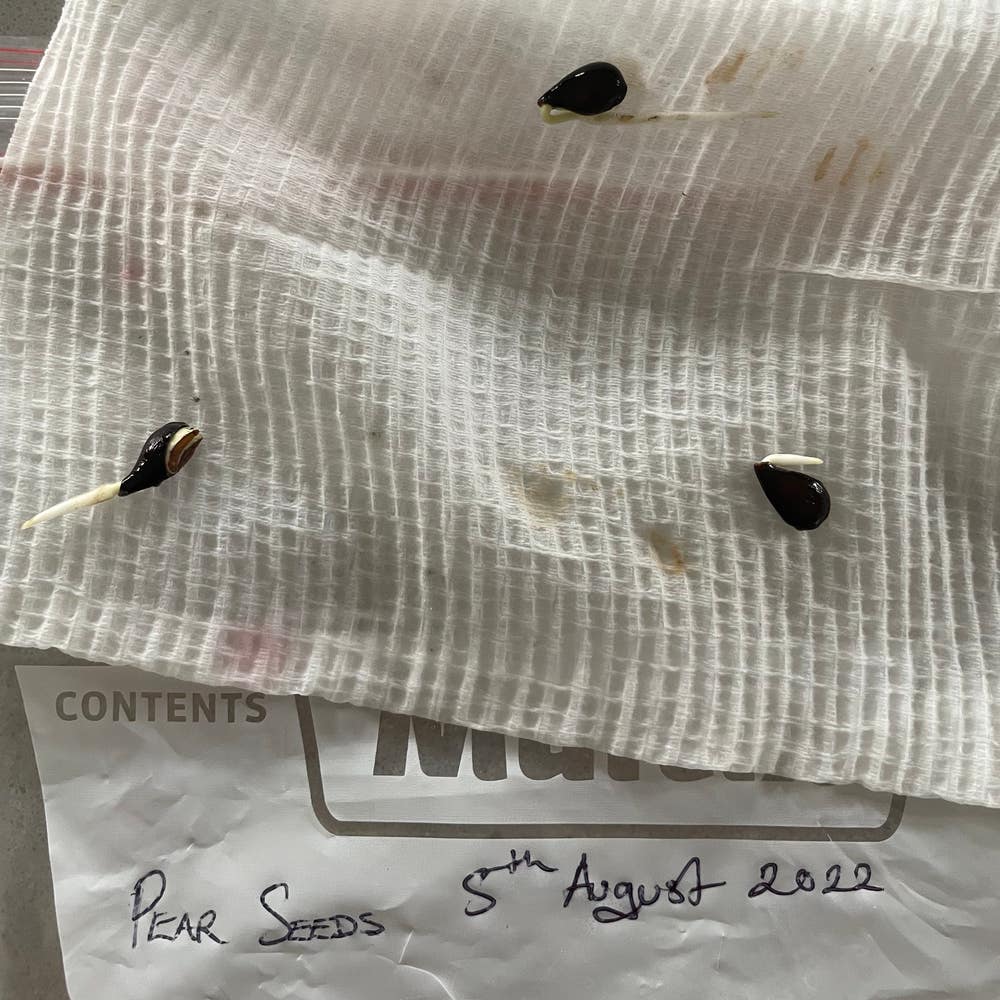
Indoor vs. Direct Sowing 🌱
Starting seeds indoors offers several advantages. It extends your growing season and gives you better control over environmental conditions.
For optimal results, aim to start your seeds indoors 6-8 weeks before the last frost date. This timing allows your plants to establish strong roots before facing outdoor challenges.
When it comes to direct sowing, preparation is key. Ensure your soil is well-aerated and free of weeds to give your seeds the best chance to thrive.
Pay attention to sowing depth; generally, seeds should be planted at a depth of two to three times their size. After sowing, keep the soil consistently moist but not waterlogged to encourage germination.
By understanding these techniques, you can maximize your chances of a successful Kieffer pear harvest. Next, let’s explore the optimal planting times by state to ensure your trees flourish in their specific environments.
Comprehensive Planting Guide
Optimal Planting Times by State 🌱
Knowing when to plant your Kieffer Pear can make all the difference in your gardening success. Here’s a handy table that outlines the recommended planting months for various states, taking into account regional climates and frost dates.
| State | Recommended Planting Months |
|---|---|
| Florida | February to March |
| California | March to April |
| Texas | February to March |
| New York | April to May |
| Colorado | May |
| Ohio | April to May |
This table serves as a quick reference to help you plan your planting schedule effectively. Remember, local climate conditions can vary, so always consider your specific area.
Summary of Key Factors 📊
To recap, several key factors influence the best time to plant your Kieffer Pear:
Frost Dates: Understanding your local frost dates is crucial. Planting too early can expose young trees to damaging cold.
Soil Temperature: Aim for soil temperatures between 50°F and 70°F (10°C to 21°C) for optimal growth.
Day Length: Kieffer Pears thrive with 12-14 hours of daylight, so timing your planting to coincide with longer days is beneficial.
Regional considerations are vital in determining the right planting time. Always check local resources, such as extension services or gardening clubs, for tailored advice.
With this knowledge, you’re well-equipped to plant your Kieffer Pear at the right time, ensuring a fruitful harvest. Now, let’s dive into seed starting techniques to further enhance your gardening journey!
⚠️ Safety First
This content is for general information and may contain errors, omissions, or outdated details. It is not medical, veterinary advice, or an endorsement of therapeutic claims.
Always consult a qualified healthcare professional before using any plant as food, medicine, or supplement.
Never eat any plant (or feed one to pets) without confirming its identity with at least two trusted sources.
If you suspect poisoning, call Poison Control (800) 222-1222, the Pet Poison Helpline (800) 213-6680, or your local emergency service immediately.
Spotted an error? Please report it here.
Get your Kieffer Pears planted at the perfect time 🌱 with Greg's tailored frost date alerts and personalized care tips to ensure a fruitful harvest!