Growth Rate of Kieffer Pear 🍐
Pyrus communis 'Kieffer'
By the Greg Editorial Team
Oct 19, 2024•6 min read
This article was created with the help of AI so we can cover more plants for you. May contain errors. See one? Report it here.
Discover how to cultivate a flourishing Kieffer pear tree from seed to harvest! 🌱🍐
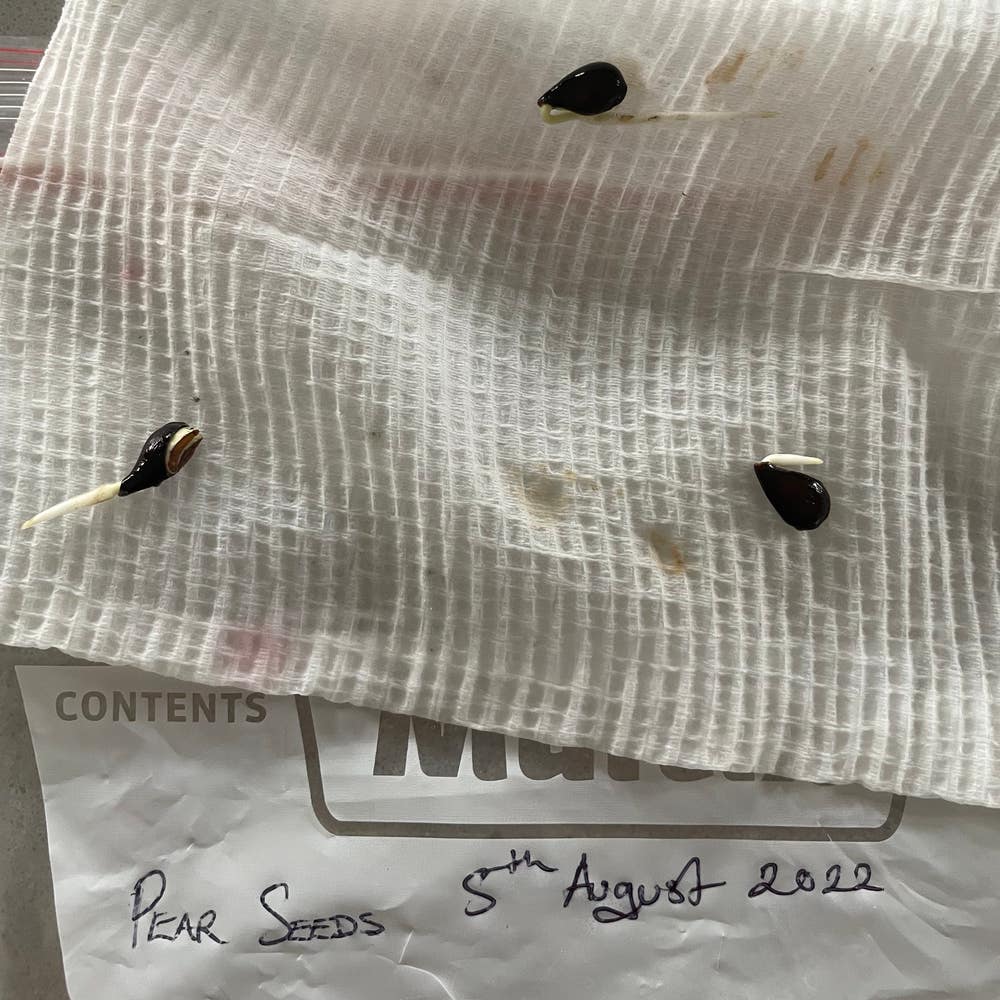
- 🌱 Kieffer pear seeds germinate in 2-4 weeks with proper temperature and moisture.
- 🌳 Full maturity takes 5-7 years, reaching heights of 15-20 feet.
- 🍐 Cross-pollination is essential for successful fruit set in Kieffer pears.
Germination Stage
Duration 🌱
The typical germination period for Kieffer pear seeds is about 2 to 4 weeks. However, this timeframe can vary based on several factors, including temperature, moisture levels, and the quality of the seeds.
Conditions for Success 🌞
To ensure successful germination, aim for an ideal temperature range of 60°F to 70°F (15°C to 21°C).
Soil Requirements
The soil should be well-draining and fertile, with a pH between 6.0 and 7.0. This balance creates a nurturing environment for the seeds.
Moisture Needs
Consistent moisture is crucial, but avoid waterlogging. Too much water can drown the seeds, while too little can halt their growth.
Understanding these conditions can significantly enhance your chances of successful germination. With the right care, your Kieffer pear seeds will be on their way to sprouting and thriving.
Next, we’ll explore the seedling stage, where your young plants begin to take shape and grow.
Seedling Stage
Length 🌱
The seedling stage lasts between 6 months to 1 year. You'll know it's time to transplant when your Kieffer pear reaches 6-12 inches in height and boasts 2-3 sets of true leaves.
Key Characteristics 🍃
During this stage, the leaves start small and simple. As the plant matures, they evolve into larger, lobed leaves, showcasing the tree's growth potential.
The growth habit is upright, emphasizing root establishment. This focus on roots is crucial for the tree's future stability and health.
As you nurture your seedling, keep an eye on its development. A healthy seedling sets the foundation for a robust Kieffer pear tree.
With this understanding of the seedling stage, you're well-prepared to transition into the next phase of growth. Let's explore the vegetative growth stage and what it entails!
Vegetative Growth Stage
Duration 🌱
The vegetative growth stage of the Kieffer pear typically lasts between 1 to 3 years. During this time, the tree experiences a rapid growth phase, significantly increasing in height and expanding its canopy.
Growth Patterns 📈
This stage is marked by vigorous growth, where the tree focuses on establishing a robust structure. You’ll notice a noticeable increase in both height and width, setting the foundation for future fruit production.
Changes in Structure 🍃
As the Kieffer pear matures, its leaf size increases dramatically. The leaves become broad and glossy, enhancing the tree's overall aesthetic appeal.
Branching Development 🌳
Alongside leaf growth, the tree develops lateral branches. This branching creates a fuller canopy, which is essential for maximizing sunlight exposure and supporting future flowering and fruiting.
The vegetative growth stage is crucial for the Kieffer pear's overall development. It sets the stage for the subsequent flowering phase, where all that hard work will pay off in beautiful blossoms and, eventually, delicious fruit.
Flowering Stage
⏰ Timing
The Kieffer pear typically blooms in late spring, specifically from April to May. This flowering period can vary based on the tree's age and environmental conditions like temperature and sunlight.
🐝 Pollination Process
Kieffer pears primarily rely on cross-pollination with other pear varieties for successful fruit set. Bees and other insects are essential players in this process, ensuring that pollen transfers effectively between flowers.
🌸 Importance of Pollination
Pollination is crucial for fruit production, and without it, the tree may not yield any pears. Ensuring a diverse range of flowering pear trees nearby can enhance pollination success.
🌱 Factors Influencing Flowering
Several factors can influence the timing and success of flowering. These include:
- Age of the Tree: Younger trees may take longer to flower.
- Environmental Conditions: Adequate sunlight and moderate temperatures promote healthy blooms.
👀 Observing the Bloom
During the flowering stage, the tree transforms into a stunning display of white blossoms. This not only attracts pollinators but also signals the beginning of the fruiting process.
🌳 Transitioning to Seed Production
Once pollination occurs, the tree will begin its journey toward seed production. This stage is vital for the continuation of the Kieffer pear lineage, setting the stage for future growth and fruiting.
Understanding the flowering stage is key to nurturing a healthy Kieffer pear tree. As we move forward, let’s explore the fascinating process of seed production and what it entails.
Seed Production Stage
Duration 🌱
Seed production for Kieffer Pear trees kicks off about 3 to 5 years after planting. The peak production years typically span from 5 to 15 years, making this a crucial time for growers.
Factors Affecting Yield 🌍
Several environmental factors play a significant role in seed yield. Soil quality, water availability, and sunlight exposure are key players in determining how fruitful your tree will be.
Tree health is another vital aspect. A tree's disease resistance and overall vigor can greatly influence its seed production capabilities. Keeping your Kieffer Pear healthy ensures a bountiful harvest.
Understanding these factors can help you optimize conditions for your Kieffer Pear tree. With the right care, you'll enjoy a rewarding seed production phase that sets the stage for future growth.
As we move on, let’s explore the growth rate and maturation of this remarkable tree.
Growth Rate and Maturation
🕒 Timeframe for Maturity
The Kieffer pear tree typically reaches full maturity within 5 to 7 years. At maturity, you can expect it to stand tall at 15 to 20 feet, boasting a broad and lush canopy.
🌱 Influencing Factors
Soil fertility plays a crucial role in the growth rate of Kieffer pears. Nutrient-rich soil can significantly speed up their development.
Climate adaptability is another key factor. These trees are hardy and can thrive in various climates, making them a versatile choice for many gardeners.
Consistent watering practices also support healthy growth. Ensuring the tree receives adequate moisture helps it flourish.
🍂 Notable Changes
As the Kieffer pear matures, you'll notice a transition from juvenile to mature foliage. This change is marked by the development of larger, more complex leaves.
The root system also becomes more intricate over time. A well-established root system is essential for the tree's stability and nutrient uptake.
Additionally, the bark texture and color evolve as the tree ages. These changes not only enhance the tree's aesthetic appeal but also indicate its health and vitality.
As you observe these transformations, you'll appreciate the journey from a young sapling to a mature tree, setting the stage for the next stages of growth and fruit production.
Overall Lifespan
Average Lifespan 🌳
The Kieffer pear typically enjoys a lifespan of 20 to 30 years. Under optimal conditions, some trees can live even longer, thriving as they age.
Factors Affecting Longevity 🌱
Several factors influence how long these trees can live. Disease resistance is crucial; a hardy tree can fend off common pear diseases effectively.
Environmental stressors also play a significant role. Drought, extreme temperatures, and poor soil conditions can shorten a tree's life, so it's essential to provide a nurturing environment.
Signs of Maturity and Decline 🍐
As Kieffer pears mature, certain indicators become evident. A full canopy, consistent flowering, and regular fruit production signal a healthy, mature tree.
Conversely, signs of decline include reduced flowering, smaller fruit sizes, and increased vulnerability to pests and diseases. Keeping an eye on these changes can help you maintain the health of your tree.
Understanding the lifespan and health indicators of Kieffer pears can guide you in nurturing them effectively. Next, we’ll explore the growth rate and maturation process, shedding light on what to expect as your tree develops.
⚠️ Safety First
This content is for general information and may contain errors, omissions, or outdated details. It is not medical, veterinary advice, or an endorsement of therapeutic claims.
Always consult a qualified healthcare professional before using any plant as food, medicine, or supplement.
Never eat any plant (or feed one to pets) without confirming its identity with at least two trusted sources.
If you suspect poisoning, call Poison Control (800) 222-1222, the Pet Poison Helpline (800) 213-6680, or your local emergency service immediately.
Spotted an error? Please report it here.
Cultivate your Kieffer pears to perfection 🍐 with Greg's tailored watering alerts and soil tips, ensuring a bountiful harvest for years to come!