🍐 Kieffer Pear: A Perennial Plant
Pyrus communis 'Kieffer'
By the Greg Editorial Team
Oct 19, 2024•5 min read
This article was created with the help of AI so we can cover more plants for you. May contain errors. See one? Report it here.
Transform your garden with resilient Kieffer Pears 🌱—a sustainable choice for lasting beauty and bountiful harvests!
- 🌳 Kieffer Pears bear fruit in 3-5 years, offering long-term yields with proper care.
- 🌞 Full sunlight is essential for healthy growth, flowering, and fruit production.
- 🌱 Robust root systems adapt to various soils, enhancing nutrient uptake and drought resilience.
Lifecycle and Growth Patterns
🌱 Multi-Year Lifecycle
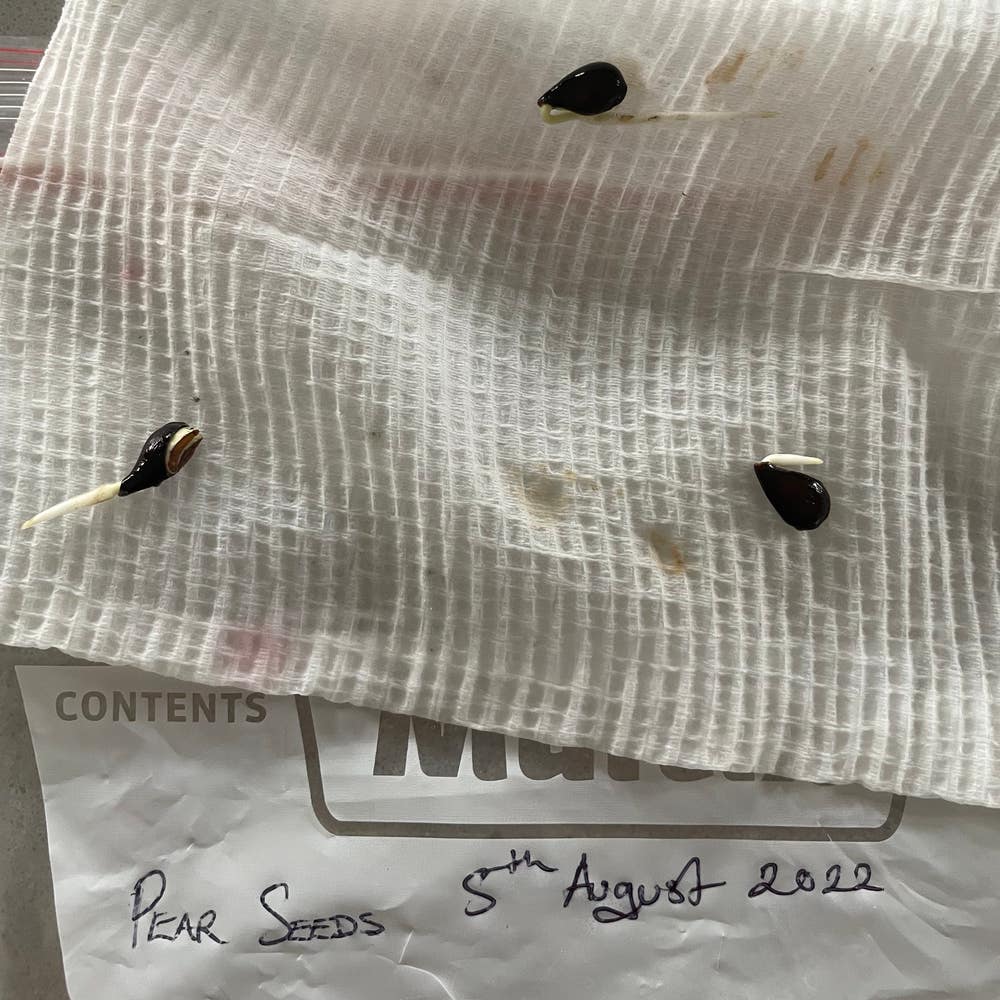
The Kieffer Pear undergoes a fascinating lifecycle, starting from germination to maturity, which typically takes about 3 to 5 years before it begins to bear fruit. With proper care, these trees can live for several decades, offering a long-term yield for dedicated gardeners.
🌳 Growth Patterns and Regrowth from Roots
One of the standout features of the Kieffer Pear is its robust root system. These roots can adapt to various soil types, reaching impressive depths and spreading wide to anchor the tree securely.
The roots also excel at storing nutrients and water, which is crucial for regrowth after harsh conditions. This adaptability makes the Kieffer Pear a resilient choice for many gardeners.
🌸 Flowering Cycles
In spring, the Kieffer Pear delights with fragrant white flowers that attract pollinators. The timing and conditions during this flowering period are essential for successful pollination and fruit set, ensuring a bountiful harvest later in the season.
Understanding these cycles helps gardeners plan for optimal fruit production, making the Kieffer Pear not just a plant, but a rewarding investment in their garden.
As we explore the advantages of its perennial nature, we'll see how these growth patterns contribute to its long-term benefits.
Advantages of Perennial Nature
🌱 Benefits of Reduced Replanting
Investing in Kieffer Pears means fewer resources spent on replanting. This long-term commitment not only saves you time and money but also contributes to environmental health.
Perennials like the Kieffer Pear help maintain soil stability and reduce erosion. Their established presence supports a thriving ecosystem, making them a smart choice for sustainable gardening.
🌳 Established Root Systems
Kieffer Pears boast robust root systems that enhance nutrient uptake and water retention. This adaptability allows them to thrive in various soil types, ensuring they get the resources they need.
Moreover, their deep roots provide greater resilience to drought and adverse conditions. This means less worry for you during dry spells, allowing your garden to flourish with minimal intervention.
Transitioning to the next section, understanding the lifespan and longevity factors of Kieffer Pears will further illuminate their value in your garden.
Lifespan and Longevity Factors
🌳 Expected Lifespan
The Kieffer Pear tree typically enjoys a lifespan of several decades when given proper care. This longevity is impressive, especially when compared to other fruit trees, which may have shorter lifespans depending on their species and growing conditions.
⏳ Factors Influencing Longevity
Several key factors can significantly impact the lifespan of your Kieffer Pear tree.
🌱 Soil Quality and Drainage
Healthy soil is crucial for longevity. Well-draining soil rich in organic matter promotes robust growth and minimizes root rot.
🌤️ Climate Conditions
Temperature and precipitation play vital roles. Kieffer Pear trees thrive in moderate climates, but extreme temperatures can stress the tree, affecting its health and lifespan.
🐛 Pest and Disease Management
Regular monitoring for pests and diseases is essential. Effective management strategies can prevent infestations that might otherwise shorten the tree's life.
Understanding these factors can help you cultivate a thriving Kieffer Pear tree that stands the test of time. With the right care, you can enjoy its fruits for many years to come.
Next, let’s explore how climate zone variations affect the growth and behavior of Kieffer Pear trees.
Climate Zone Variations
🌍 Variations in Behavior Across Climate Zones
The Kieffer Pear is remarkably adaptable, thriving in various USDA hardiness zones. This flexibility allows it to flourish in both warmer and cooler climates, making it a favorite among gardeners.
In warmer climates, Kieffer Pears tend to grow more vigorously, producing abundant fruit. Conversely, in cooler regions, their growth may slow, but they still yield delicious pears when properly cared for.
🌱 Impact of Growing Conditions
Soil type plays a crucial role in the health of Kieffer Pear trees. Well-draining soil rich in organic matter supports robust growth, while heavy clay can hinder root development.
Moisture levels are equally important. Consistent watering, especially during dry spells, ensures the tree remains hydrated and productive.
Sunlight exposure significantly impacts growth and flowering. Kieffer Pears thrive in full sun, which encourages healthy blooms and fruit set. Insufficient sunlight can lead to sparse flowering and reduced yields.
Understanding these climate and growing condition factors can help you maximize the potential of your Kieffer Pear trees. With the right care, you can enjoy a bountiful harvest for years to come.
Next, let’s explore how to maximize the benefits of your Kieffer Pear in garden planning.
Maximizing Benefits in Garden Planning
🌱 Tips for Utilizing Perennial Nature
Strategic placement of Kieffer Pear trees in your garden can significantly enhance their growth. Consider positioning them in areas that receive full sunlight, as this promotes healthy flowering and fruiting.
Companion planting is another effective strategy. Pairing Kieffer Pears with nitrogen-fixing plants can improve soil health and boost overall growth. This symbiotic relationship benefits both plants, leading to a thriving garden ecosystem.
🌳 Long-Term Cultivation Strategies
Regular maintenance is crucial for the longevity of your Kieffer Pear trees. Pruning during the dormant season helps maintain shape and encourages better airflow, reducing the risk of disease.
Monitoring for pests and diseases is essential to ensure the health and productivity of your trees. Implementing integrated pest management techniques can help you address issues before they escalate, keeping your garden flourishing.
By following these tips and strategies, you can maximize the benefits of your Kieffer Pear trees, ensuring they thrive for years to come. This not only enhances your garden but also contributes to a sustainable environment.
⚠️ Safety First
This content is for general information and may contain errors, omissions, or outdated details. It is not medical, veterinary advice, or an endorsement of therapeutic claims.
Always consult a qualified healthcare professional before using any plant as food, medicine, or supplement.
Never eat any plant (or feed one to pets) without confirming its identity with at least two trusted sources.
If you suspect poisoning, call Poison Control (800) 222-1222, the Pet Poison Helpline (800) 213-6680, or your local emergency service immediately.
Spotted an error? Please report it here.
Grow your Kieffer Pear into a fruitful legacy 🍐 with Greg's tailored care tips and watering reminders that ensure your tree thrives for decades to come!