Ultimate Guide to Propagating Kieffer Pear 🍐
Pyrus communis 'Kieffer'
By the Greg Editorial Team
Oct 19, 2024•6 min read
This article was created with the help of AI so we can cover more plants for you. May contain errors. See one? Report it here.
Grow thriving Kieffer Pear trees 🌳 with expert propagation techniques for a bountiful garden experience!
- 🌱 Collect Kieffer Pear seeds in late summer for best results.
- ❄️ Stratify seeds for 60-90 days in the fridge to enhance germination.
- 🌿 Use well-draining soil with pH 6.0-7.0 for optimal growth.
Propagating from Seeds
Step-by-step process for seed preparation 🌱
Collecting seeds from Kieffer Pears is best done in late summer to early fall. Look for ripe fruits, as they contain the seeds you’ll need for propagation.
Cleaning the seeds is crucial. Remove the pulp and rinse them in water to eliminate any residue, ensuring a healthy start for your seeds.
Stratification
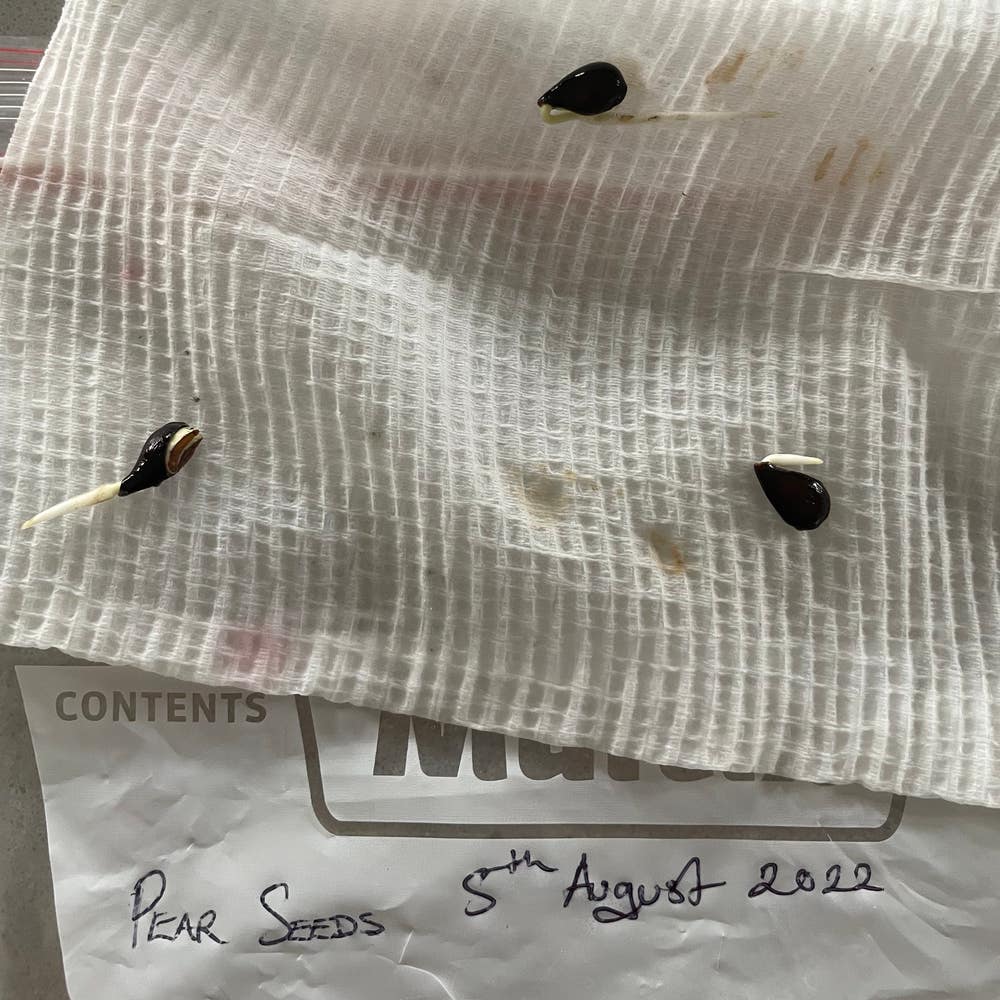
Stratification is a key step in preparing your seeds for germination.
- Duration: Aim for 60-90 days.
- Method: Place the cleaned seeds in a damp paper towel, then tuck them inside a plastic bag and refrigerate.
Germination conditions and time frame 🌼
Creating the right environment for germination is essential.
- Optimal temperature: Keep the temperature between 70°F to 75°F (21°C to 24°C).
- Germination time: Expect seeds to sprout within 2-4 weeks after stratification.
When it comes to soil, use a well-draining potting mix. A pH level between 6.0 to 7.0 is ideal for Kieffer Pear seeds to thrive.
With these steps, you're well on your way to successfully propagating Kieffer Pears from seeds. Next, let’s explore how to propagate these trees from cuttings, offering another exciting method for expanding your pear collection.
Propagating from Cuttings
🌱 Best Time of Year for Cuttings
Timing is crucial when propagating Kieffer Pear cuttings. For softwood cuttings, aim for late spring to early summer, while late fall is ideal for hardwood cuttings.
✂️ Types of Cuttings
Understanding the types of cuttings can enhance your success rate. Softwood cuttings, taken from new growth, should be about 4-6 inches long. In contrast, hardwood cuttings come from mature wood and should measure 6-8 inches.
🌿 Rooting Hormone Application
Using rooting hormone can significantly boost your chances of success. Opt for a product containing auxins, and simply dip the cut end of your cutting into the hormone before planting.
🪴 Soil and Potting Mix Recommendations
The right potting mix is essential for healthy root development. A blend of equal parts peat moss and perlite provides excellent aeration. For individual cuttings, use 4-6 inch pots to give them ample space to grow.
By following these steps, you can effectively propagate Kieffer Pears from cuttings, setting the stage for a fruitful gardening experience. Next, let’s explore grafting techniques to further expand your propagation skills.
Grafting Techniques
🌳 Types of Grafting
Grafting is an art that can significantly enhance your Kieffer Pear propagation efforts.
Whip-and-Tongue Graft
This technique is ideal for matching the diameter of the scion and rootstock. It creates a strong connection, promoting better nutrient flow.
Cleft Graft
Use this method when working with larger rootstock. It involves cutting a notch in the rootstock, allowing for a secure fit of the scion.
🌱 Selecting Rootstock
Choosing the right rootstock is crucial for successful grafting.
Recommended Rootstocks
The Callery pear is a top choice due to its disease resistance and vigorous growth.
Considerations
Select rootstock that aligns with your Kieffer Pear's growth habits and the specific soil conditions in your garden. This ensures compatibility and maximizes growth potential.
⏰ Timing and Conditions for Successful Grafting
Timing can make or break your grafting success.
Optimal Timing
Aim for late winter to early spring, just before bud break. This timing allows the graft to take advantage of the plant's natural growth cycle.
Environmental Conditions
Maintain humidity levels between 50-70% for the best results. This environment helps the graft heal and encourages new growth.
With the right techniques and conditions, grafting can be a rewarding method for propagating Kieffer Pears. Next, let’s explore air layering, another effective propagation technique.
Air Layering
Step-by-step air layering process 🌱
Air layering is a fantastic method to propagate Kieffer Pear trees. Here’s how to do it:
Select a healthy branch: Choose a branch that is at least 1 year old for the best results.
Prepare the branch: Make a circular cut around the branch, removing a ring of bark. This will encourage root growth.
Apply rooting hormone: Dust the exposed area with rooting hormone to stimulate root development.
Wrap with moist sphagnum moss: Cover the area with moss and secure it with plastic wrap. This keeps the moisture in.
Seal the ends: Use tape or string to ensure the moss stays moist and protected.
Ideal conditions for air layering success ☀️
For successful air layering, the right conditions are crucial.
Temperature: Maintain a warm environment between 70°F to 80°F (21°C to 27°C). This warmth promotes root growth.
Light: Provide indirect sunlight to prevent the moss from drying out. Too much direct light can be harmful.
Aftercare for air-layered plants 🌿
Once you've set up your air layering, ongoing care is essential.
Monitoring: Regularly check moisture levels in the moss. Keeping it damp is key to success.
Timing for separation: Roots should develop within 4-8 weeks. Once they do, cut below the new roots to separate the new plant.
Air layering is a rewarding technique that can yield healthy new plants. With the right approach and care, you’ll be well on your way to expanding your Kieffer Pear collection. Next, let’s explore some common challenges you might face in propagation.
Challenges in Propagation
🐛 Common Issues and Solutions
Pests and Diseases Affecting Propagation
Pests like aphids and spider mites can wreak havoc on your Kieffer Pear propagation efforts. Look out for signs such as leaf curling and discoloration, which indicate these pests are at work.
Root rot is another common issue, often caused by overwatering. To prevent this, ensure your soil is well-draining, allowing excess moisture to escape.
🌡️ Environmental Factors Impacting Success
Temperature fluctuations can significantly affect germination and rooting. Aim to maintain consistent temperatures to give your seeds and cuttings the best chance to thrive.
Light exposure is equally crucial. Ensure your plants receive adequate light but avoid direct harsh sunlight, which can dry them out and hinder growth.
🔍 Troubleshooting Low Success Rates
Identifying Causes of Failure in Propagation Methods
If your propagation efforts aren't yielding results, start by examining soil conditions. Poor drainage or nutrient levels can severely impact growth.
Timing is another critical factor. Make sure you're taking cuttings and grafting at the appropriate seasonal times for optimal success.
Adjusting Techniques for Better Outcomes
Don't hesitate to experiment with different rooting hormones or potting mixes. Sometimes, a small tweak can lead to significant improvements.
Increasing humidity around your cuttings or grafts can also help. Use a humidity dome or a plastic bag to create a more favorable environment for rooting.
By addressing these challenges head-on, you can enhance your Kieffer Pear propagation success and enjoy the fruits of your labor. Next, let's explore effective grafting techniques to further expand your propagation skills.
⚠️ Safety First
This content is for general information and may contain errors, omissions, or outdated details. It is not medical, veterinary advice, or an endorsement of therapeutic claims.
Always consult a qualified healthcare professional before using any plant as food, medicine, or supplement.
Never eat any plant (or feed one to pets) without confirming its identity with at least two trusted sources.
If you suspect poisoning, call Poison Control (800) 222-1222, the Pet Poison Helpline (800) 213-6680, or your local emergency service immediately.
Spotted an error? Please report it here.
Master Kieffer Pear propagation with Greg's tailored reminders and expert guidance, ensuring your efforts grow into flourishing trees! 🌱